Your lunch shouldn’t leave you hungry an hour later — sound familiar? Picture all those afternoons spent fighting off yawns because your meal just didn’t pack enough punch.
The real struggle isn’t just choosing healthy foods. It’s hitting that 20-gram protein target without your fridge turning into a science experiment or your wallet crying for mercy. It can feel like every meal is a gamble between taste, nutrition, and time.
By the end of this guide, you’ll have a clear set of high protein meal prep ideas — each one loaded with at least 20 grams of protein per meal, practical prep advice, and a system that won’t leave you scrambling midweek. Ready? Let’s get to the science (and the flavor).
Why Protein Matters In Meal Prep
Ever wondered why your energy fizzles out mid-afternoon, even after a decent lunch? The answer often comes down to protein — and how consistently you include it in every meal prep. Protein isn’t just another nutrient; it’s your body’s real building block, powering muscle repair, maintaining metabolism, and keeping hunger at bay longer than carbs or fats alone ever could.
According to the Dietary Guidelines for Americans (published by the U.S. Department of Agriculture), adults should aim for at least 10-35% of their daily calories from protein. The sweet spot? Meals with at least 20 grams of high-quality protein — think lean poultry, fish, eggs, tofu, Greek yogurt. That’s the gold standard for promoting satiety and real muscle preservation, especially if you’re active or aiming for fat loss.
💡 Pro Tip: Not all proteins are created equal. Animal-based proteins generally contain all nine essential amino acids required for optimal recovery and strength, but plant-based sources can get you there, too, with a bit of smart combining.
Protein’s Impact on Meal Prep Results
Picture this scenario: You batch-cook brown rice and roasted veggies for the week. It’s healthy — but by Wednesday, your motivation plummets and you’re starving by 3 p.m. The missing piece? A solid protein source that makes your meal filling and balancing blood sugar far better than carbs alone. The difference isn’t just how you feel — it’s measurable in muscle retention, mood stability, and yes, how many snack cravings sabotage your goals.
| Benefit | Protein’s Role | Impact When Skipped |
|---|---|---|
| Satiety | Slows digestion, helps you feel full | More hunger, extra snacking |
| Muscle Recovery | Provides amino acids for repair | Slower recovery, muscle loss risk |
| Blood Sugar Control | Reduces rapid carb absorption | Energy crashes, mood swings |
And here’s what most meal preppers miss: It’s not just about adding more chicken or tofu — it’s timing, balance, and picking proteins you actually enjoy (and will eat). Swapping out just one low-protein meal for a balanced option can radically change your results.
But there’s one detail most people completely overlook until it’s too late — what you pair with your protein makes or breaks your plan…
How To Calculate 20 Grams Of Protein Per Meal
Ever stare at your food and wonder, “Is this really 20 grams of protein?” You’re not alone — most of us dramatically underestimate (or overestimate) how much protein we eat unless we measure. Hitting that 20-gram sweet spot can feel confusing, especially when ingredients and serving sizes keep changing.
- Choose Your Protein Source: Select a main protein — like chicken breast, tofu, or Greek yogurt.
- Check the Label or Database: Use the USDA FoodData Central or a reliable app to find protein grams per serving.
- Weigh or Measure: Use a kitchen scale or measuring cup for accuracy. Typical kitchen scales can be picked up for under $20 and are worth every penny.
- Calculate Your Serving: Divide the 20g target by the protein content per unit to find how much you need — for example, 3 oz cooked chicken has about 21g protein, so you’re set.
- Adjust Other Ingredients: Supplement if you fall a bit short — add nuts, cheese, or a boiled egg to hit your goal.
- Kitchen scale
- Measuring cups/spoons
- Nutrition label or USDA app
- Planned recipe or meal list
💡 Pro Tip: Don’t just eyeball portions — weighing protein-rich foods once or twice gives you a mental model for future meal prep. According to the Academy of Nutrition and Dietetics, precise tracking early on nearly doubles your accuracy when meal prepping for fitness or weight management.
In practice: Picture making a quinoa bowl with black beans and roasted chicken. Your label says 1/2 cup black beans has about 8g protein, 100g chicken breast has 22g, and half a cup of quinoa yields 4g. Stack them — and you’re already well above 20g with a single bowl. Simple math, major impact.
| Food | Serving Size | Protein (g) |
|---|---|---|
| Cooked Chicken Breast | 3 oz | 21 |
| Firm Tofu | 100g | 8 |
| Low-Fat Greek Yogurt | 170g (3/4 cup) | 17 |
| Black Beans | 1/2 cup | 8 |
| Large Egg | 1 egg | 6 |
What actually works might surprise you — the secret is in the little protein-boosters you add without thinking…
Meal Prep Staples: Essential Ingredients And Tools
If you want high-protein meal prep to work week after week, you need more than ambition — you need the right staples on hand. Here’s the thing: stocking your kitchen with versatile, protein-rich basics transforms meal prep from struggle to automatic win. But, what actually deserves that valuable fridge and pantry real estate?
- Chicken Breast and Thighs — Lean, budget-friendly, and quick to cook. Go skinless for lower fat or thighs for moisture.
- Canned Tuna or Salmon — Shelf-stable, omega-3 rich, and perfect for salads or wraps.
- Eggs — Boil, scramble, or bake — they’re meal prep royalty.
- Greek Yogurt — Thicker, higher in protein than regular yogurt; great for snacks or breakfast bowls.
- Lentils, Chickpeas, Black Beans — Plant-based power houses, fiber-packed and versatile for stews, bowls, or salads.
- Firm Tofu — Adapts to lots of flavors, vegan-friendly, and easy to pan-sear or bake.
💡 Pro Tip: Batch-cooking proteins on the weekend — like grilled chicken, oven-baked tofu, or eggs — means your workweek meals can come together in less than 10 minutes. The Academy of Nutrition and Dietetics highlights the importance of prepping proteins in bulk to save time and keep you on target with your nutrition goals.
You’ll also want a few tools that make meal prep smoother:
- Sharp chef’s knife and quality cutting board
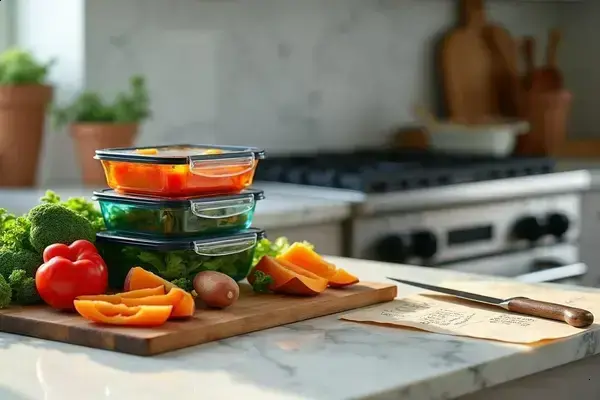
- BPA-free meal prep containers (glass or durable plastic)
- Kitchen scale for accurate portions
- Measuring cups and spoons
- Sheet pan or instant pot (for bulk cooking)
Picture this scenario: It’s 6 PM, you’re tired and hungry, but your fridge is already stocked with roasted chicken, cooked quinoa, and a stack of boiled eggs. Toss together a bowl in five minutes flat — and you’re eating a satisfying, high-protein meal before takeout even crosses your mind.
| Staple | Why It’s Essential | Pro Storage Tip |
|---|---|---|
| Chicken Breast | Lean, versatile protein | Freeze portions for grab-and-go |
| Eggs | Quick meal or snack | Boil in batches, store in shell |
| Greek Yogurt | Breakfast or creamy sauce base | Buy plain, add your own flavor |
And this is exactly where most people make the most common mistake — they forget one small tool or staple, and their meal prep plans go sideways by midweek…
Five Satisfying High Protein Meals With Prep Steps
Not sure what real, high-protein meal prep actually looks like? Here’s the truth — you don’t need complicated recipes or hours in the kitchen to hit that 20-gram protein target. These five meal options are practical, flexible, and proven to keep you full and energized.
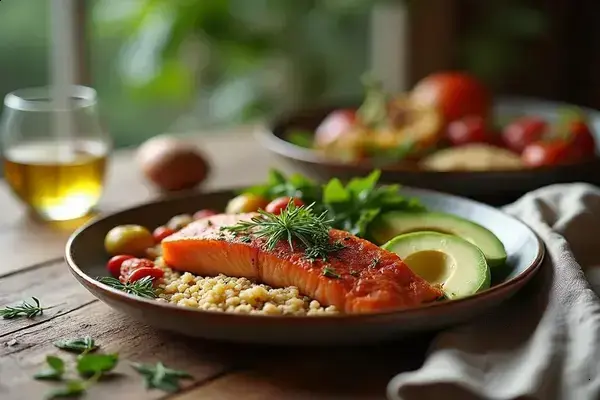
- Grilled Chicken Quinoa Bowl: Grill 6 oz chicken breast (about 42g protein), slice, and layer with 1 cup cooked quinoa, roasted broccoli, and a squeeze of lemon. Ready in 35 minutes. Scale the chicken to fit your macro needs.
- Mediterranean Tuna Salad: Mix one can of tuna in water (22g protein), 1/2 cup chickpeas, diced cucumber, tomatoes, and a spoon of olive oil. Top with feta for extra protein. Prep time: under 15 minutes.
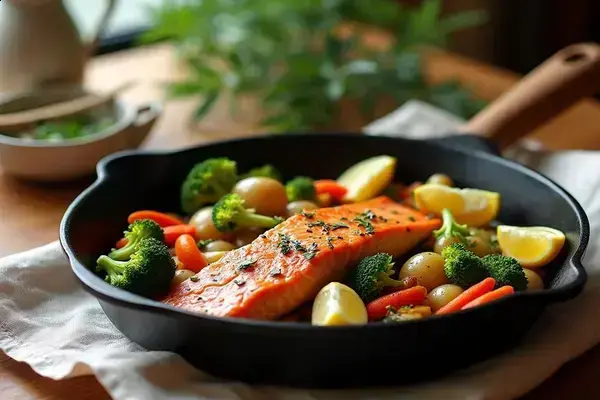
- Sheet-Pan Tofu Stir-Fry: Press and cube a 14 oz block of firm tofu (22g protein for half the block). Roast with bell peppers and red onion. Drizzle with soy or teriyaki sauce. Works perfectly for plant-based meal preppers.
- Egg & Black Bean Breakfast Burrito: Scramble 2 eggs (12g protein) and add 1/2 cup black beans (8g). Wrap with salsa in a whole-grain tortilla. Make four at once and store for grab-and-go breakfasts.
- Greek Yogurt Power Parfait: Layer 1 cup low-fat Greek yogurt (20g protein), berries, and 2 tbsp chopped nuts. Sweeten with honey or cinnamon. Nothing beats this one for quick lunch or snacking.
💡 Pro Tip: Batch-prep proteins on Sunday, then swap sides through the week so you’re never bored. The Harvard T.H. Chan School of Public Health recommends building lunches around lean animal or plant protein for long-term energy, especially when controlling calories.
In practice: Picture opening your fridge on a Monday — there’s grilled chicken, black bean burritos, a jar of tuna salad. Instead of takeout, you’re piecing together bowls and wraps in minutes. Convenience is the real meal-prep superpower.
- Grill or oven for bulk cooking
- Meal prep containers
- Chopping board, sharp knife
- Measuring cups/spoons
But the best meal prep still goes wrong for most people at one key stage — storage and reheating decide if your hard work stays fresh or falls flat…
How To Store And Reheat For Freshness And Flavor
How many times has your carefully prepped meal ended up dull or soggy by Thursday? The truth is, even the best high-protein recipes can flop if you don’t store and reheat them the right way. With a few pro moves, though, you’ll preserve flavor, texture, and nutrition right through Friday.
- Let Food Cool Before Sealing: Always allow meals to cool to room temperature before snapping on the lids. Trapped steam equals mushy food.
- Choose the Right Containers: Glass meal prep containers are top-tier for flavor and don’t hang onto odors. Use BPA-free plastic only if space or budget is tight.
- Layer Ingredients for Texture: Place grains or veggies on the bottom and proteins like chicken or tofu on top. Sauces go in mini jars or to the side.
- Label and Date Your Meals: Mark each container with what’s inside and when it was made. This prevents mystery meals and keeps you safe.
- Reheat Gently: Use the microwave at 70% power or reheat on the stove with a splash of broth. This avoids rubbery chicken and keeps things moist.
⚠️ Important Warning: According to the U.S. Department of Agriculture Food Safety and Inspection Service, refrigerate perishable meal prep items within two hours, and always eat within 3–4 days for best quality and safety.
In practice: Picture this scenario — you’ve got a work lunch break. Yesterday’s stir-fry goes into the microwave for 90 seconds at medium power, the sauce poured on after. The veggies stay crisp, chicken’s still juicy, and there’s zero weird aftertaste. Suddenly, leftovers don’t feel like a compromise.
| Storage Item | Best Feature | How to Use |
|---|---|---|
| Glass Container | Retains taste, safe for reheating | Store proteins/veg; microwave safe |
| BPA-Free Plastic | Lightweight, portable | Short-term meals or on-the-go |
| Mini Jar | Keeps sauces fresh | Store separately to avoid soggy food |
Once this is in place, the rest of the routine falls into place naturally.
Your Meal Prep, Made Simple
If you take just one thing from this guide, let it be: consistent, balanced high protein meal prep ideas save you time, keep you full, and make hitting those nutrition goals way easier. Remember the basics — know your numbers, stock smart staples, and master simple prep steps.
Where meal prep used to mean bland leftovers or daily frustration, now you’ve got the tools to do it right. Your fridge can actually work for you. Fresh, tasty, protein-packed meals — all week long — are finally doable, not a distant dream. You’re not just juggling food. You’re building confidence, one meal at a time.
Which protein-packed meal are you most excited to try first? Tell us what’s on your plan in the comments — let’s share what’s working!

Lauren Marie Collins is a meal planning enthusiast and nutrition writer dedicated to helping everyday people eat healthier, spend less, and actually enjoy the food they prepare. With a passion for practical meal prep systems and honest nutrition guidance, Lauren built this blog to make healthy eating feel simple, sustainable, and genuinely accessible for everyone.