Ever wondered why some people breeze through cold and flu season while others seem to catch every bug in the air? The answer often sits right on the plate in front of you, not at the bottom of a pill bottle. The truth is, everyday food choices play a much bigger role in your immune defenses than most folks realize.
Here’s the thing: when you skimp on nutrients your body needs, your immune system is the first to grumble. You might feel run-down, pick up every passing sniffle, or just struggle with sluggish energy that makes you dread getting out of bed. Nobody wants to spend days under a blanket while life happens without them.
By the end, you’ll have a simple plan to work foods that strengthen immune system into your daily life—no fads, no stress, just real results. Ready to find out how one bite can actually tip the scale in your favor?
How Your Diet Directly Impacts Immunity
We’re taught to think of the immune system as some mysterious force inside us, quietly battling germs and viruses. But what if the real difference lies in that bowl of oatmeal you ate for breakfast—or skipped—instead?
The truth is: what you eat each day feeds not just your muscles or your energy but also the very cells that defend you. The Harvard T.H. Chan School of Public Health highlights that a diet lacking in key micronutrients (like zinc, selenium, iron, and vitamins C and E) can reduce your body’s ability to fight off infections. It’s not a quick fix—it’s daily choices that build your shield, meal by meal.
💡 Pro Tip: Aim to eat a rainbow of fruits and veggies. Diverse colors bring different phytochemicals and antioxidants that support stronger immune signaling, according to the Academy of Nutrition and Dietetics.
So, what happens in practice? Imagine your body as a fortress. Whole grains, lean proteins, and healthy fats are like the sturdy walls and gates, keeping invaders at bay while giving your internal soldiers (your white blood cells) the fuel they need to react fast and strong. If you mostly rely on ultra-processed snacks, it’s like leaving your castle doors unlocked and your guards underfed. That’s when fatigue, frequent colds, or slow healing start to creep in.
| Nutrient | Immune Benefit | Key Food Sources |
|---|---|---|
| Vitamin C | Supports white blood cell production | Citrus, strawberries, bell peppers |
| Zinc | Helps immune cell function | Pumpkin seeds, beans, poultry |
| Vitamin A | Maintains skin & mucosal barriers | Carrots, sweet potatoes, spinach |
In practice: picture this scenario—a parent always catching cold after cold finally starts swapping soda for water and adds spinach to scrambled eggs. Within a few weeks, those endless sniffles fade, and energy comes back. That’s the power of small, mindful shifts.
Worth noting: always consult a registered dietitian or trusted healthcare provider before making dramatic diet changes—especially if you have underlying health conditions or are immunocompromised.
But there’s one detail most people completely overlook until it’s too late…
Top Immune-Boosting Foods You Should Try
Ever feel like your body’s defenses are lagging, even when you’re eating what you think is “healthy?” Here’s the thing: not all nutritious foods offer equal power for strengthening the immune system. Some ingredients truly stand out—backed by research from the National Institutes of Health and peer-reviewed studies in nutrition journals.
Let’s break down the real stars, so you know what deserves a prime spot on your next grocery list.
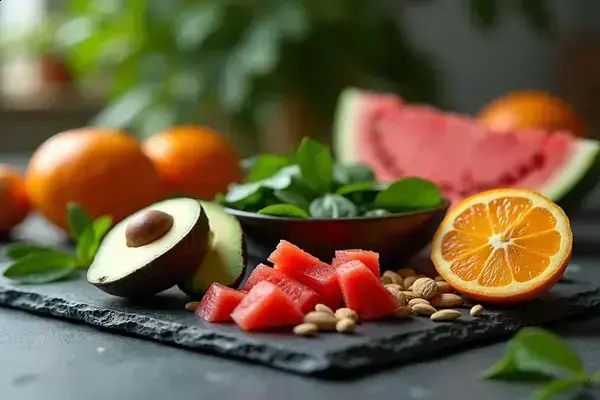
- Citrus fruits (like oranges, grapefruits, lemons): Packed with vitamin C—vital for immune cell function and tissue repair.
- Red bell peppers: Even more vitamin C than citrus, plus beta-carotene for healthy skin barriers.
- Garlic: Contains allicin, a plant compound with direct immune-enhancing effects, particularly against common colds.
- Spinach: Loaded with antioxidants, vitamin E, and folate, supporting cellular repair and resilience.
- Yogurt with live cultures: Supplies probiotics that balance gut bacteria—key for immune response modulation.
- Almonds: Rich in vitamin E and healthy fats, which help regulate inflammation and foster robust immune reactions.
💡 Pro Tip: Buy plain Greek yogurt and add your own berries or seeds—it’s far lower in added sugars than flavored varieties, and you’ll get a bonus dose of antioxidants.
In practice: imagine a busy college student who adds a handful of almonds to their daily snack bag and starts breakfast with fresh orange slices and a bowl of yogurt. Within a couple of weeks, they notice fewer sniffles, more consistent energy, and less brain fog during lectures. That’s no accident—the Harvard Medical School notes these nutrients play direct roles in fighting off viral and bacterial threats.
| Food | Benefit | Ideal Serving |
|---|---|---|
| Orange | Vitamin C boost | 1 medium fruit/day |
| Spinach | Antioxidant protection | 1 cup raw or 1/2 cup cooked |
| Yogurt (plain Greek) | Gut health/probiotic support | 3-5 oz daily |
Picture this scenario: you swap your usual mid-afternoon cookie for red pepper strips and hummus—suddenly, your snack isn’t just tasty, it’s strengthening your body, one crunchy bite at a time.
What actually works might surprise you…
Everyday Meal Ideas For Better Immune Support
Ever find yourself staring at the fridge, thinking, “How can I turn these healthy foods into something I’ll actually want to eat?” Building immune support doesn’t need to mean bland chicken and endless salads—you’ve got real, vibrant options for every meal of the day.
- Breakfast – Whisk together eggs, spinach, and tomatoes for a quick veggie scramble. Add a side of orange slices or grapefruit for a vitamin C boost.
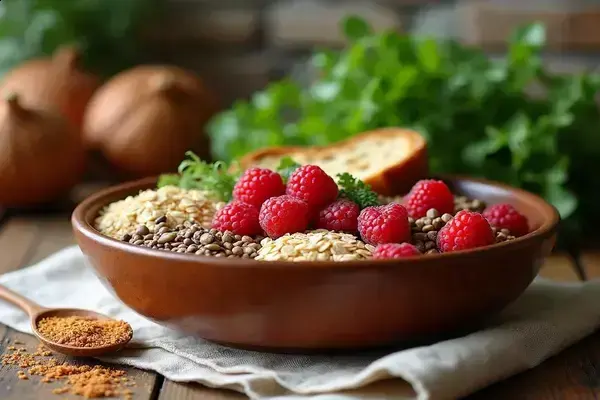
- Mid-Morning Snack – Grab a handful of almonds with a cup of Greek yogurt topped with blueberries. You’ll get immune-friendly vitamin E, probiotics, and antioxidants all at once.
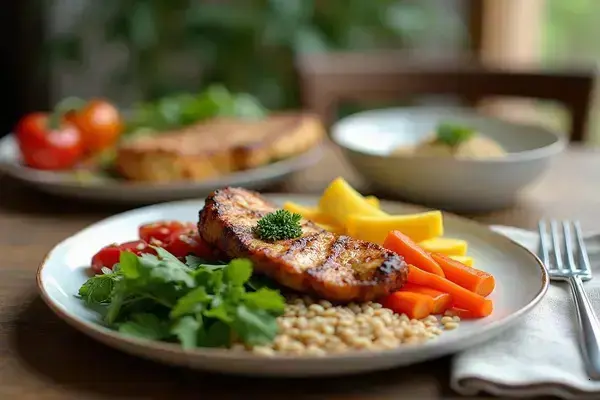
- Lunch – Layer grilled chicken, kale, red bell peppers, and pumpkin seeds over brown rice or quinoa bowls. Drizzle with olive oil and a squeeze of lemon for flavor and healthy fats that support immune signaling.
- Afternoon Snack – Dip carrot sticks and bell pepper strips into hummus, or snack on a tangerine. Colorful veggies work synergistically, especially when combined with plant-based protein sources.
- Dinner – Roast salmon or tofu with broccoli and sweet potatoes. Add chopped garlic before serving to maximize the allicin content (your immune system will thank you). Serve with a simple side salad tossed in sunflower seeds.
💡 Pro Tip: Try meal prepping on Sundays: batch-cook brown rice, grill chicken breasts, and wash leafy greens—having components ready makes weeknight dinners (and healthy immune support) 10x easier, according to the Cleveland Clinic.
In practice: A busy parent meal preps on the weekend and builds a grab-and-go snack drawer with washed fruit and yogurt tubes for their kids. By Wednesday, the whole family’s eating more produce and processed snacks are collecting dust.
| Meal | Immunity Star | Serving Freshness Tip |
|---|---|---|
| Breakfast | Egg-spinach scramble | Use baby spinach for milder taste |
| Lunch | Quinoa veggie bowl | Add lemon for extra vitamin C |
| Dinner | Salmon with broccoli | Roast broccoli for flavor boost |
Picture this scenario: You swap that box of crackers for easy veggie wraps and see how quickly healthy options become just as convenient as the grab-and-go snacks. And this is exactly where most people make the most common mistake…
Common Nutrition Myths That Weaken Your Defense
How many times have you heard that loading up on vitamin C tablets will make you ‘immune’ to seasonal bugs? Or that spicy foods burn out germs? Misinformation—and it’s everywhere. Let’s separate fact from fiction before you build your shopping list.
- More Supplements, More Protection? Many believe high-dose supplements can turbocharge immunity, but the Centers for Disease Control and Prevention note that excesses of vitamins and minerals offer little proven benefit and, in some cases, can harm liver and kidney health.
- Superfoods Are Magic Bullets Think eating açaí berries or kale alone keeps you healthy? Reality check: the Academy of Nutrition and Dietetics emphasizes overall variety, not single “magic” items. It’s the ongoing, balanced intake that counts.
- Low-Fat Means Healthier Cutting fat altogether can backfire. Good fats—like those in nuts, olive oil, and salmon—are necessary for your body to absorb key vitamins and for proper immune function.
- Sugar Instantly Destroys Immunity Yes, too much sugar is a risk, but an occasional treat within a balanced diet won’t cripple your defenses overnight. What matters is your long-term pattern.
⚠️ Important Warning: Relying on online myths or self-diagnosing nutrition needs can delay proper medical advice. For persistent symptoms, always check in with a registered dietitian or your doctor.
In practice: picture this scenario—someone skips all fats, lives on multivitamins and smoothies, yet still feels tired and gets sick frequently. Only after focusing on balanced meals with protein, healthy fats, and fiber (not just hype foods or single nutrients) does real energy and resilience return.
| Myth | Reality | Action Step |
|---|---|---|
| High-dose vitamin C | No guaranteed illness prevention | Focus on food sources—citrus, peppers |
| Zero-fat diets | Cutting all fats weakens immunity | Include healthy fats daily |
| Sugar = instant harm | Occasional treats are fine | Track weekly patterns, not single days |
And this is exactly where most people make the most common mistake…
Tips To Make Healthy Eating A Lasting Habit
What’s the hardest part about eating well? It’s not finding recipes—it’s actually staying consistent, day after day, when work, family, and life get busy. Want to know the secret to keeping immune-supporting eating on track for the long haul?
- Start Small, Win Big: Pick one change at a time, like adding a serving of leafy greens to dinner or swapping chips for almonds. Tiny, repeatable actions create real habit loops over time.
- Prep for Your ‘Tired’ Self: Batch-cook whole grains or chopped veggies on weekends, so you always have grab-and-go options when energy is low. Most registered dietitians (including those at the Mayo Clinic) agree: preparation beats motivation every time.
- Use Visual Cues: Store immune-boosting snacks—like oranges or baby carrots—at eye level in the fridge. What you see first is what you’ll reach for, even after a long day.
- Track Progress—But Don’t Obsess: Snap a quick photo of colorful meals or keep a sticky note log on the pantry door. Tracking can motivate you, but it shouldn’t become a guilt trip.
- Celebrate Small Wins: Did you swap a soda for a smoothie, or reach for veggies instead of candy? Recognize those choices and treat yourself with a non-food reward—maybe a short walk, an episode of your favorite show, or new kitchen gear.
💡 Pro Tip: Pair a new food habit with something you already enjoy—like listening to an audiobook while prepping a salad. According to the American Psychological Association, habit-stacking raises your odds of long-term success.
In practice: a teacher who brings a container of pre-chopped veggies for her lunch break, pairs them with her favorite dip, and tracks on a sticky note soon finds she craves fresh snacks more than processed ones. The changes feel almost automatic after a month or two.
| Strategy | How It Helps | Try This |
|---|---|---|
| Habit Stacking | Pairs new routines with old ones | Chop veggies while making morning coffee |
| Visual Reminders | Keeps goals top-of-mind daily | Fruit bowl in high-traffic spot |
| Simple Swaps | Lowers temptation without feeling deprived | Roasted chickpeas instead of chips |
Small steps, repeated consistently, make the biggest difference over time.
Your Immune System, Day by Day
If you take just one thing from this guide, let it be: simple, steady choices with foods that strengthen immune system are what matter most. You’ve seen why your daily meals shape your defenses, which foods actually deliver, and how to turn healthy eating into a habit that sticks.
Maybe you started out thinking immunity was just luck or pills. Now you’ve got clear, real steps—no magic, just manageable changes that add up. Your meals can be colorful, satisfying, and power up your resilience. You’re truly in control of your health journey from here on out.
Which easy meal swap or immune-boosting tip are you most excited to try this week? Share your plans or questions below—we’re cheering for every step you take!

Lauren Marie Collins is a meal planning enthusiast and nutrition writer dedicated to helping everyday people eat healthier, spend less, and actually enjoy the food they prepare. With a passion for practical meal prep systems and honest nutrition guidance, Lauren built this blog to make healthy eating feel simple, sustainable, and genuinely accessible for everyone.