Ever stare at your dinner, knowing you need to eat more, but the thought of endless chicken and rice leaves you cold? Gaining weight for muscle isn’t just tough—it’s confusing, especially when every plan sounds the same.
Here’s the thing: If you don’t get your calories and nutrients right, you might slog through brutal workouts and still barely budge the scale. It’s disheartening to train hard but watch your progress stall because your meal plan falls short.
By the end of this practical guide, you’ll know exactly how meal planning for weight gain muscle can become second nature—including calorie-dense recipes, efficient prep strategies, and smarter food choices that actually move the needle. Ready to make food your secret weapon?
Why Most Meal Plans Fail To Boost Muscle
Ever notice how some people seem to eat healthy and stick to meal plans, but still struggle to gain visible muscle? That frustrating “I’m eating enough, so why am I not growing?” moment is more common than you might think. The truth is: most meal plans fail not because of what you eat, but because of hidden pitfalls that sabotage progress without you even realizing.
One major issue is calorie miscalculation. People often underestimate how much energy they truly need to build muscle, especially if they’re naturally lean or active. According to the Academy of Nutrition and Dietetics, building muscle often requires at least a 250 to 500 calorie surplus daily—more than maintenance. Miss this difference consistently, and growth plateaus fast.
- Rigid templates: Most plans recycle the same foods over and over, making meals boring and unsustainable.
- Lack of variety: Relying on limited nutrient sources means missing out on key micronutrients vital for muscle repair.
- Meal timing mistakes: Skipping breakfast or post-workout meals can blunt protein synthesis when your body needs fuel the most.
💡 Pro Tip: Instead of copying someone else’s plan, use a Total Daily Energy Expenditure (TDEE) calculator—like the one suggested by the International Society of Sports Nutrition—to estimate your true caloric needs before building your menu.
Picture this scenario: You’re pushing hard in the gym, gourmet prepping grilled chicken and brown rice day after day. But you never track your actual intake, so you live in a calorie deficit—slowing muscle gain and burning out. A couple extra tablespoons of nut butter or whole milk could close this gap, yet they’re rarely recommended in template plans.
| Common Pitfall | Signs You’re Affected | Simple Fix |
|---|---|---|
| Underestimating Calories | Stalled muscle gains, low energy | Weigh portions, track meals weekly |
| Skipping Meals | Sporadic hunger, muscle fatigue | Set alarms, prep high-calorie snacks |
| Repeating Foods | Lack of appetite, sluggish digestion | Rotate protein, carb, and fat sources |
If you’re serious about results, it’s worth consulting a registered dietitian or certified sports nutritionist for a plan tailored to you—especially if you have medical concerns or dietary restrictions. What actually works might surprise you…
How To Build A High Calorie Daily Menu
How do you actually build a high calorie daily menu that works for your muscle goals — one that’s delicious, sustainable, and full of real nutrition? Most folks think you just double your portion sizes and call it good. But the reality is, muscle-building nutrition requires thoughtful planning, balancing energy density with quality macros every single day.
- Calculate Your Caloric Target: Figure out your Total Daily Energy Expenditure (TDEE) and add a surplus of 300–500 calories for lean muscle gain. The American College of Sports Medicine recommends tracking weight weekly to adjust as needed.
- Pick Core Macronutrient Sources: Choose at least two proteins, three complex carbs, and two healthy fat options you’ll genuinely enjoy—think chicken, eggs, quinoa, oats, avocado, and olive oil.
- Distribute Meals and Snacks: Plan for 3–4 main meals and 2–3 snacks. This keeps your energy up and gives your muscles a steady supply of protein and calories.
- Layer in Calorie-Dense Additions: Blend nuts or seeds into shakes, drizzle oils on cooked veggies, and use whole milk or Greek yogurt instead of skim or low-fat.
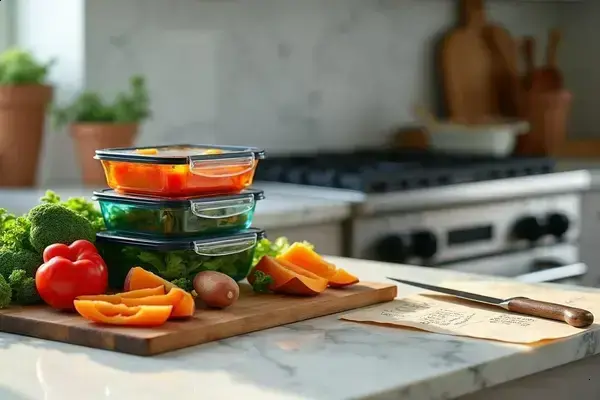
- Prep in Advance: Chop, cook, and portion protein staples on Sunday. Have high-calorie snacks ready to go so you never miss a meal window.
💡 Pro Tip: Small additions add up. Scattering a tablespoon of olive oil here and a scoop of almond butter there can push your daily intake up by hundreds of calories — painlessly.
- Essential items for menu prep:
- Digital food scale
- Reusable meal containers
- BPA-free water bottle
- High-protein pantry staples (nut butters, seeds, full-fat dairy)
Picture this scenario: It’s Wednesday night after a long training session. You’re wiped, and the thought of measuring and cooking from scratch is exhausting. But you’ve portioned out hearty overnight oats, grilled salmon, brown rice, and energy bites on meal prep day. The result? Zero skipped meals, easy calorie tracking, and less stress about hitting your numbers.
| Meal | Calorie-Dense Examples | Quick Add-Ons |
|---|---|---|
| Breakfast | Peanut butter banana oats; Greek yogurt parfait | Chopped walnuts, flaxseed oil drizzle |
| Lunch | Grilled chicken burrito bowl with avocado | Shredded cheese, sour cream |
| Dinner | Salmon pasta with olive oil | Extra virgin olive oil, sunflower seeds |
| Snack | Cottage cheese with berries; protein smoothie | Nut butters, chia seeds |
The key? Every meal and snack pulls its weight. But there’s one detail most owners completely overlook until it’s too late…
Healthy Ingredients That Pack Maximum Calories
Ever wonder how some foods seem to turbocharge your calorie count without blowing up your stomach with endless volume? That’s the secret sauce for smart weight gain: healthy, high-calorie ingredients that feed your muscles and save your sanity. Think calorie density, not just portion size.
- Nuts & Nut Butters: Almonds, walnuts, peanut and cashew butter offer healthy fats, protein, and up to 200 calories per small handful or tablespoon. Thanks to the Harvard T.H. Chan School of Public Health, we know even a modest portion is nutrient-packed and portable.
- Avocado: Creamy, rich, and loaded with monounsaturated fats, a single avocado easily tops 250 calories — and blends into smoothies, toast, or bowls.
- Full-Fat Dairy: Think Greek yogurt, cottage cheese, or whole milk. They deliver not just calories but casein and whey protein, which help with muscle synthesis.
- Oils: Olive oil and coconut oil add subtle taste and up to 120 calories per tablespoon. Drizzle on veggies, rice, or as a finishing touch to boost satiety and caloric impact.
- Grains & Dried Fruit: Rolled oats and granola, especially with raisins or dates, offer long-lasting energy and concentrated carbs per serving.
💡 Pro Tip: Blend calorie-dense ingredients into staple meals—like swirling nut butter into oatmeal or shaking olive oil into protein smoothies—so every bite counts without overwhelming your appetite.
| Ingredient | Calories (per serving) | Benefits |
|---|---|---|
| Peanut Butter (2 tbsp) | 188 | Healthy fats, protein |
| Avocado (1 medium) | 250 | Monounsaturated fats, fiber |
| Whole Milk (1 cup) | 150 | Casein & whey, calcium |
| Olive Oil (1 tbsp) | 119 | Vitamin E, satiety |
| Granola (1/2 cup) | 200 | Complex carbs, minerals |
Picture this scenario: You’re making a quick post-workout shake. Instead of only whey protein and water, you toss in a ripe banana, two tablespoons of peanut butter, some oats, and whole milk. Suddenly, your 120-calorie shake leaps to over 500 calories—no bulk, just nutrient-rich fuel. And this is exactly where most people make the most common mistake…
Time-Saving Meal Prep Tips For Gaining Weight
How do you get enough calories for weight gain without spending all day in the kitchen? Building muscle isn’t just about what you eat—it’s also about efficiency. Eating more, especially with a busy schedule, demands smart prep and a bit of creative streamlining.
- Batch Cook Your Staples: Cook large quantities of protein (chicken, beef, tofu) and complex carbs (rice, sweet potato, quinoa) once or twice a week, then portion them for grab-and-go meals.
- Invest in Portion-Ready Containers: Use BPA-free containers to split meals into servings. This prevents grazing and ensures each meal delivers enough calories.
- Choose Multi-Use Ingredients: Full-fat Greek yogurt, nut butters, and whole grain wraps can star in breakfast, lunch, or snacks—less shopping, less prep.
- Make “Base Meals” and Add-ons: Prepare neutral bases—such as plain rice or pasta—and customize with calorie boosters (e.g., shredded cheese, avocado, olive oil) at serving time.
- Freeze for Later: Double recipes for casseroles, chili, or protein muffins and freeze single portions. Defrost overnight for next-day high-calorie meals with zero effort.
💡 Pro Tip: Keep shelf-stable, calorie-dense snacks like trail mix, protein bars, and nut butter packets visible on the counter so you never “forget” a snack—even during your busiest days. The Food and Nutrition Board highlights the importance of consistent intake for muscle gains.
- Quick Meal Prep Toolkit:
- Digital kitchen scale
- Meal prep containers (various sizes)
- Measuring cups and scoops
- Sharp chef’s knife
- Reusable sandwich bags
In practice: Say you want a post-workout meal ready when you finish at 8pm. You’ve already portioned chicken, rice, and veggies, so all you do is microwave, top with olive oil, and eat. Fast, easy, and you know your macros are on track every time. But prepping ahead is just half the puzzle—what about the actual meals you could build for real muscle results?
Sample Meals And Snack Ideas For Real Results
What should you actually eat in a day if your goal is real muscle gain—with genuine flavor and zero boredom? Sometimes, seeing a list of sample meals is all it takes to move from theory to action. Here’s what high-calorie eating can look like, without falling into the “dry chicken and rice rut.”
- Breakfast: Oats cooked with whole milk, topped with peanut butter, banana, and a drizzle of honey. Serve with a glass of orange juice for simple carbs and vitamin C.
- Morning Snack: Greek yogurt layered with granola, raisins, and a spoon of almond butter. More calories, more protein, more staying power.
- Lunch: Turkey or beef burrito bowl with brown rice, black beans, sautéed peppers, chunky avocado, shredded cheese, and olive oil tossed in.
- Afternoon Snack: Protein shake with whey, whole milk, oats, and frozen berries. Add a handful of trail mix on the side for an extra calorie bump.
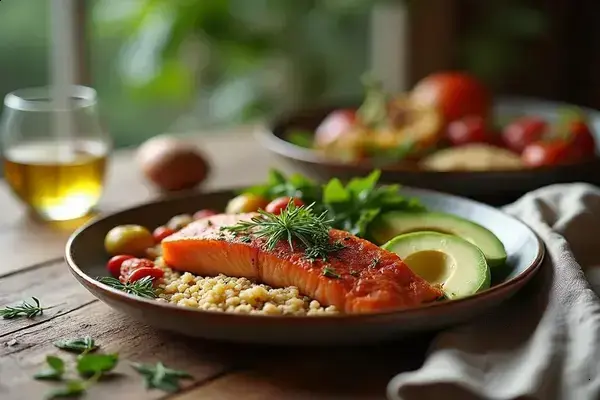
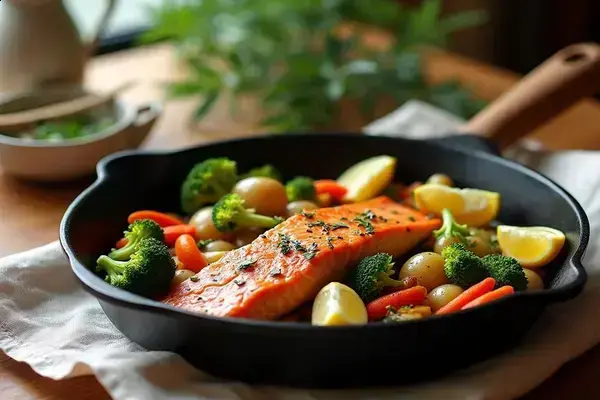
- Dinner: Grilled salmon or tofu, roasted potatoes, steamed broccoli, and a generous splash of extra-virgin olive oil. Try adding whole-wheat rolls or quinoa to increase carbs.
- Evening Snack: Cottage cheese, sliced peaches, and a homemade peanut butter protein bar. Creamy, sweet, and calorie-rich right before bed.
💡 Pro Tip: Pair carbohydrate-rich foods with healthy fats in every meal to maximize energy intake and support steady hormone production, as recommended by the Academy of Nutrition and Dietetics.
| Meal/Snack | Calories (approx.) | Muscle-Building Nutrients |
|---|---|---|
| Breakfast Oats + PB | 550 | Carbs, protein, healthy fats |
| Burrito Bowl Lunch | 730 | Protein, fiber, complex carbs |
| Salmon Dinner + Sides | 680 | Omega-3s, protein, potassium |
| Greek Yogurt Snack | 340 | Calcium, protein, carbs |
| Trail Mix & Protein Shake | 400 | Essential fats & amino acids |
Picture this scenario: You’re coming off a tough workout, feeling drained and hungry. Instead of fumbling for quick junk food, you mix up a prepped berry protein shake, toss a few energy bites into your bag, and kick back knowing you’re fueling real growth. The right habits in place now make everything easier from here.
Your High Calorie Success Starts Here
If you take just one thing from this guide, let it be this: smart meal planning for weight gain muscle isn’t about eating more of everything—it’s about choosing calorie-dense, healthy foods, prepping ahead, and tracking what actually works for you. Batch cooking, creative snack ideas, and the right mix of ingredients can finally move the needle.
Before today, fueling muscle gain felt like guesswork—plateau after plateau, bland meals, and little progress. Now you’ve got real strategies that fit your routine and tastebuds. Eating for results will feel simpler, more doable, and honestly a whole lot tastier. You know what to prep, what to eat, and how to tweak for real gains. You’re in control now.
Which meal or snack are you most excited to try this week? Tell us in the comments and let’s help each other build muscle, one dish at a time!
Lauren Marie Collins is a meal planning enthusiast and nutrition writer dedicated to helping everyday people eat healthier, spend less, and actually enjoy the food they prepare. With a passion for practical meal prep systems and honest nutrition guidance, Lauren built this blog to make healthy eating feel simple, sustainable, and genuinely accessible for everyone.