Picture this: you’ve made it through your fasting hours, but when the clock strikes “eating window,” you suddenly wonder—what should you actually put on your plate?
There’s no shortage of advice out there, and it can get overwhelming fast. Eat too little, and you’re left hungry and cranky. Overdo it, and you might feel sluggish or even erase your hard-earned benefits. It’s frustrating when something meant to simplify your life starts to feel complicated.
By the end of this guide, you’ll know exactly which foods fit naturally into your routine, and how to structure real meals that make your intermittent fasting what to eat question a thing of the past. Ready to finally enjoy your eating window without guesswork? Let’s dig in, starting with what really changes when you fast.
How Intermittent Fasting Changes What You Need To Eat
You might think eating during your window is just about squeezing in the same meals you’d eat any other time, but intermittent fasting (IF) actually changes what your body needs — and when it needs it. Ever wonder why some people feel energized and focused after breaking their fast, while others hit a wall? There’s real science behind those differences.
Your metabolism adapts in ways most people never realize. After hours without food, your body becomes more sensitive to nutrients, especially protein and fiber, because insulin levels are lower and digestive hormones behave differently. This sensitivity means you want to think carefully about what you eat first — and how you structure the rest of your meals for steady energy and hunger control.
💡 Pro Tip: The Cleveland Clinic recommends breaking your fast with a balanced meal featuring protein, healthy fats, and some complex carbohydrates (think eggs and avocado on whole-grain toast) to avoid sharp blood sugar spikes.
In practice: say you finish a 16-hour fast at noon. If you start with a pastry or just coffee, you’ll likely feel jittery, then crash. But if you reach for scrambled eggs, sautéed spinach, and a sprinkle of seeds, chances are you’ll experience stable energy and far fewer cravings for the rest of the day. That’s not magic — it’s biology.
| Fasting State | Body’s Need | Ideal Food Focus |
|---|---|---|
| First Meal | Stabilize blood sugar | Lean protein + healthy fat + fiber |
| Mid Window | Sustain energy | Complex carbs + colorful veggies |
| Last Meal | Satiety and gentle digestion | Moderate protein + leafy greens |
It’s easy to see why many IF beginners struggle with hunger, headaches, or sluggishness — old eating patterns just don’t match up. According to Harvard Health Publishing, shifting your focus to nutrient density (not just calorie count) during eating windows helps maintain muscle, regulate appetite hormones, and minimize cravings.
But here’s the part almost nobody tells you: not every nutrient packs the same punch during IF. How you build your plate can help you avoid classic beginner mistakes…
Key Food Groups And Smart Choices For Your Eating Window
If you’ve ever wondered what to actually put on your plate during your eating window, you’re not alone — most people get stuck there. Should you focus on protein? Are carbs off-limits? What about healthy fats? It’s time to break it down, plain and simple.
- Lean proteins: Chicken breast, eggs, tofu, Greek yogurt — these support muscle, keep you full longer, and stabilize energy.
- High-fiber carbs: Think quinoa, lentils, oats, sweet potatoes. They digest slowly, which means no post-meal crashes.
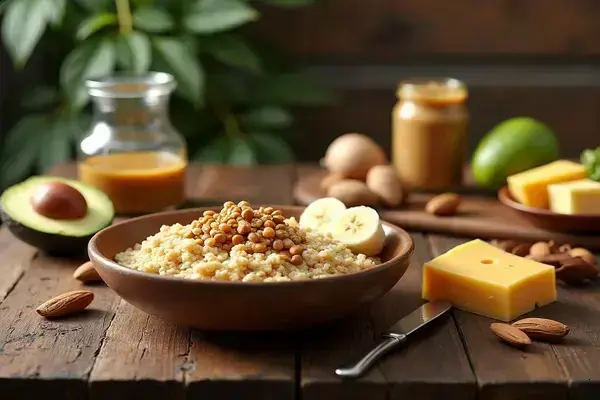
- Healthy fats: Avocado, olive oil, nuts, seeds. Fats help control hunger and deliver essential vitamins — don’t skip them.
- Colorful vegetables: Broccoli, spinach, peppers, and mixed greens are loaded with micronutrients and antioxidants.
- Fermented foods: Greek yogurt, kimchi, sauerkraut, and kefir keep your gut happy for better digestion and immunity.
💡 Pro Tip: The Mayo Clinic highlights that varying your food sources prevents nutrient gaps and boredom — rotate your proteins, grains, and veggies for sustainable results.
In practice: picture this scenario — you’ve just opened your eating window with a grilled salmon salad bursting with dark leafy greens, cherry tomatoes, and sliced avocado, drizzled with extra-virgin olive oil. That single meal satisfies protein targets, delivers a range of vitamins, and keeps your energy stable for hours. You’re not just eating; you’re fueling your body to thrive within your unique schedule.
| Food Group | What to Look For | Smart Choices |
|---|---|---|
| Protein | Low saturated fat, high bioavailability | Grilled chicken, fish, Greek yogurt, tofu |
| Carbs | Rich in fiber, low glycemic impact | Oats, lentils, sweet potato, quinoa |
| Fats | Mostly unsaturated, nutrient-dense | Avocado, olive oil, walnuts, chia seeds |
The Harvard T.H. Chan School of Public Health recommends building each meal around these staples for optimal metabolism and long-term results. What actually works might surprise you…
Real-World Example Meals To Fuel Your Fasting Schedule
Ever wish you could just see a few real intermittent fasting meals instead of endless theory? Here’s the thing: knowing what to eat is easier when you have examples to copy — especially ones you can adjust for your lifestyle, budget, and flavor preferences.
- Post-Fast Power Breakfast (First Meal): Start with a veggie-packed omelet (eggs, spinach, bell peppers, mushrooms), a side of fresh berries, and half an avocado. You’ll hit your protein, fiber, and healthy fat goals right off the bat.
- Satisfying Mid-Window Option: Build a quinoa and lentil bowl layered with roasted sweet potatoes, chickpeas, shredded carrots, and a tahini dressing. Minimal prep, tons of sustained energy.
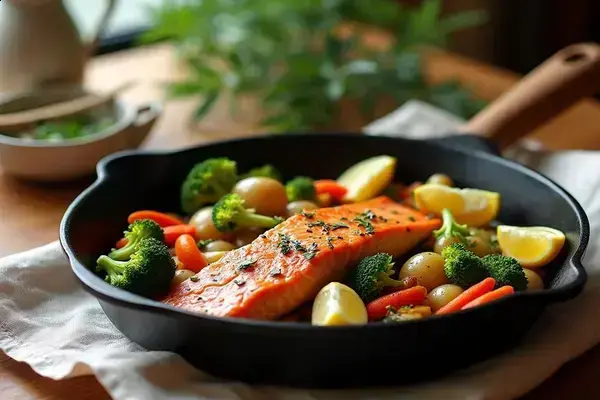
- Fast-Finish Dinner: Grilled salmon or baked tofu, sautéed broccoli and kale, brown rice or cauliflower rice, plus a drizzle of olive oil. It’s filling but won’t weigh you down before your fasting period starts again.
- Snack If Needed: Try Greek yogurt, unsalted nuts, or apple slices with almond butter — simple, balanced, and easy to portion.
- Beverages: Water remains your best friend. But herbal teas, sparkling water, or cold brew coffee with almond milk make great swaps for sugar-heavy drinks.
💡 Pro Tip: The Academy of Nutrition and Dietetics recommends planning your primary meal within the first two hours of opening your window for the best blood sugar and appetite control.
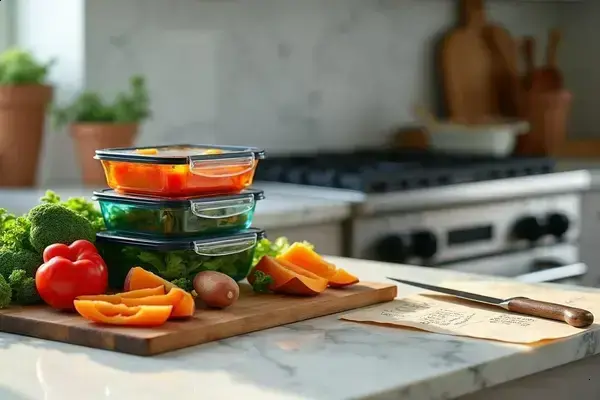
In practice: picture this scenario — Maria, who follows a 16:8 fasting plan, preps her meals on Sunday night. She relies on batch-cooked quinoa, salad greens, and grilled chicken in glass containers. She mixes and matches based on cravings, saving both time and decision fatigue. It’s realistic and sustainable, day after day.
| Meal | Key Nutrients | Prep Time |
|---|---|---|
| Post-Fast Power Breakfast | Protein, fiber, healthy fat | 10 min |
| Mid-Window Lunch Bowl | Complex carbs, micronutrients | 20 min |
| Fast-Finish Dinner | Omega-3s, antioxidants | 15 min |
| Optional Snack | Calcium, healthy fats | 2 min |
And this is exactly where most people make the most common mistake — mistaking complexity for quality. Sometimes the best meal is the one you’ll actually make, not the one that looks perfect on Instagram…
Foods To Avoid For The Best Intermittent Fasting Results
Which foods will quietly sabotage your results during intermittent fasting? It’s easy to get tripped up — some choices seem harmless but actually disrupt your appetite, cause energy crashes, or even make fasting feel harder than it should be. Here’s the truth: a few minutes of mindful selection saves hours of regret later.
- Refined sugars: Candy, pastries, sweetened yogurts, and soda cause big blood sugar spikes — followed by major crashes and nagging cravings.
- Ultra-processed snacks: Chips, crackers, “energy” bars, and frozen meals are typically low in nutrients, high in sodium, and keep you unsatisfied despite the calories.
- Low-fiber white carbs: White bread, most packaged cereals, and plain pasta digest in a flash, leaving you hungrier sooner and spoiling fasting progress.
- Deep-fried foods: Fries, battered chicken, or anything soaked in oil pack a heavy calorie load without meaningful nutrition — they weigh you down.
- High-sugar drinks: Flavored coffees, commercial smoothies, store-bought fruit juice — they’re often sneaky sources of sugar and empty calories.
⚠️ Important Warning: The American Heart Association warns that excess added sugars and processed foods not only undermine your fasting goals but can increase long-term risk for heart disease and diabetes.
In practice: picture this scenario — Jamie’s 8-hour eating window starts at noon. He grabs a caramel latte and bagel sandwich to “treat himself,” but by 3pm he’s shaky, cranky, and reaching for chips. The cycle repeats the next day, making fasting feel like an uphill battle. Compare that to a day where he sticks to whole food options, lean proteins, and water: his energy lasts, his cravings fade, and he actually looks forward to opening his window.
| Food/Drink | Problem | Better Swap |
|---|---|---|
| Flavored Coffee Drinks | Added sugar, energy crash | Black coffee, unsweetened tea |
| Candy & Pastries | Blood sugar rollercoaster | Fruit, Greek yogurt |
| Potato Chips | Low satiety, excess sodium | Baked chickpeas, mixed nuts |
| Fruit Juice | Hidden sugars, few nutrients | Infused water, sparkling water |
What actually works might surprise you…
How To Adjust Your Eating For Different Fasting Protocols
What if your fasting schedule doesn’t match the typical 16:8 approach? The truth is, there’s no one-size-fits-all answer — and aligning your meals to your chosen protocol (be it 14:10, 18:6, OMAD, or alternate-day) makes all the difference in your results and how you feel day-to-day.
- Identify your fasting window: Know exactly when you start and stop eating. Keeping a written log or using an app like Zero or LIFE Fasting Tracker helps.
- Prioritize meal timing: If you’re doing OMAD (One Meal a Day), focus on nutrient density and hydration before and after your meal; with 18:6 or 16:8, spread nutrition over two or three meals instead.
- Balance macronutrients consciously: All fasting methods benefit from high-protein and fiber intake — but longer fasts may call for more complex carbs at your opening meal for the extra staying power.
- Adjust portions: Eating less frequently doesn’t mean you should undereat. Track energy, sleep, and mood to find your ideal meal size.
- Supplement wisely only if needed: For extended protocols (like 24-hour or alternate-day fasting), consult a doctor or dietitian about electrolytes and vitamins.
💡 Pro Tip: According to Johns Hopkins Medicine, consistently eating within your designated window is even more crucial than what’s on your plate — regularity kickstarts your circadian clock and stabilizes metabolic hormones.
In practice: picture this scenario — Adam tries a 5:2 fasting plan, eating normally five days and reducing calories drastically on two. When he skips planning, his low-calorie days feel miserable; but on days where he preps high-fiber salads, lean protein, and slow-digesting carbs, he powers through with far less irritation or temptation. Tracking helps, too: a simple chart lets him spot what boosts his energy and what drags him down.
| Protocol | Meal Strategy | Most Helpful Foods |
|---|---|---|
| 16:8/18:6 | 2-3 balanced meals | Eggs, lentils, leafy greens |
| OMAD | 1 large, nutrient-dense meal | Quinoa, fatty fish, avocado |
| 5:2 | High volume, low calorie | Chicken breast, zucchini noodles |
Small steps, repeated consistently, make the biggest difference over time.
Your Eating Window, Simplified
If you take just one thing from this guide, let it be: what you put on your plate during your eating window makes intermittent fasting sustainable and satisfying in real life. You’ve learned how different fasting methods change your needs, the smartest food groups to focus on, and how real meals can power your routine. That’s your roadmap for real results with intermittent fasting what to eat.
Maybe before this, your eating window felt confusing — like you had to guess or always wonder if you were missing something. Now, you have clarity. You know what works, how to adapt it, and why quality matters as much as timing. Each good choice isn’t about being perfect — it’s about fueling the lifestyle you want, one meal at a time.
Which meal idea or food swap are you excited to try first in your next eating window? Share your plans or questions in the comments — your experience might inspire someone else!

Lauren Marie Collins is a meal planning enthusiast and nutrition writer dedicated to helping everyday people eat healthier, spend less, and actually enjoy the food they prepare. With a passion for practical meal prep systems and honest nutrition guidance, Lauren built this blog to make healthy eating feel simple, sustainable, and genuinely accessible for everyone.