You know that pit-in-your-stomach feeling when you toss wilted greens or a forgotten carton of milk? Most of us do—and, believe it or not, studies show households throw away up to 30% of the food they buy. That’s not just food in the trash; it’s money, time, and effort simply disappearing every week.
The truth is, letting food go bad at home can make anyone feel frustrated and wasteful. Maybe you’ve planned to cook healthier, only to watch good ingredients rot before you get the chance. Or maybe those leftovers you meant to save never quite survive beyond a day or two—creating both a guilty pang and a mess.
By the end of this read, you’ll not only understand food waste reduction strategies household—you’ll actually have tools and habits ready to use. Ready for a fresher kitchen and less waste? Let’s make every bite count.
Common Reasons Food Gets Wasted At Home
Ever stood in front of your fridge, bewildered by slimy spinach or half-empty jars gone rogue? Food waste at home isn’t just a fluke — it’s a mashup of everyday hiccups that sneak up on even the most careful of us. Why does this keep happening, even when you swear you’ll do better next week?
Storage confusion, overbuying, and poor planning are usually the troublemakers, but that’s only part of the story. According to the USDA, American households toss nearly 30% of what they buy — that’s like lugging a third of your groceries straight to the trash.
- Impulse shopping: Grabbing deals or buying in bulk can feel smart, but those oversized value packs often expire before you can use them.
- Mismatched portioning: Cooking for two with recipes meant for six? Leftovers pile up — and get forgotten.
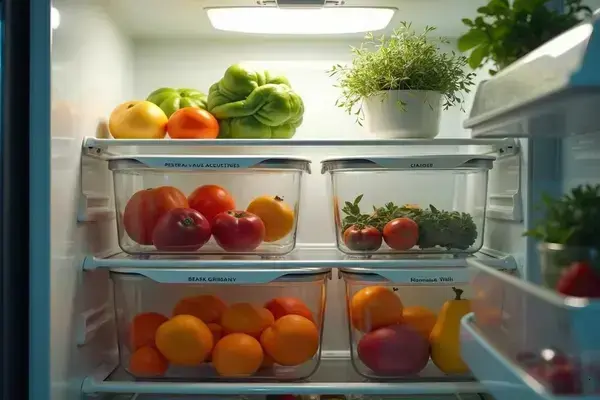
- Lack of visibility: An overcrowded fridge means that bags of produce or last night’s chicken hide in the back until it’s too late.
- Unclear expiration dates: “Best by” and “use by” don’t mean the same thing. Many people toss good food just because the date looks close.
- Improper storage: Bananas next to avocados or onions with potatoes can make both spoil fast — ethylene gas is a silent (but fixable) culprit.
💡 Pro Tip: The Natural Resources Defense Council recommends keeping a “first in, first out” bin — label one area of your fridge or pantry for food that needs to be eaten soon. This tiny habit can cut your waste dramatically by preventing forgotten spoilage.
Picture this scenario: you buy fresh herbs for one recipe on Sunday. By Friday? They’re a wet clump at the bottom of the crisper. Add a container labeled “Eat Me First” to your fridge and, suddenly, those herbs end up in Wednesday’s omelet instead of the trash.
| Common Cause | What Actually Happens | How to Spot It |
|---|---|---|
| Overbuying Fresh Food | Produce spoils before being used | Wilting, mushy, or moldy items in drawers |
| Poor Labeling | Leftovers and jars go forgotten | Unlabeled containers pushed to the back |
| Improper Storage | Food ripens/spoils faster than expected | Unusual odors or discoloration in pantry/fridge |
And this is exactly where most people make the most common mistake — thinking expensive food storage containers alone will fix the waste, when the real secret is right in your habits…
How To Shop Smart And Store Food Right
Ever noticed how food waste starts before you even get home? The truth is, shopping smart and storing food the right way aren’t flashy — but they’re the secret sauce behind a waste-free kitchen. You’ve got more power in that grocery list (and your storage containers) than you might think.
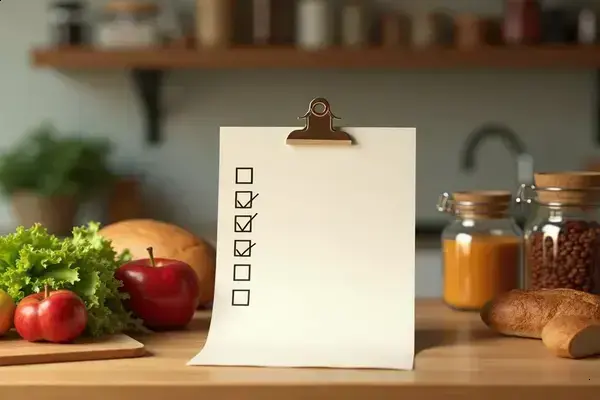
- Plan your meals: Sketch out what you’ll eat (and cook) for the week — breakfasts, lunches, dinners, snacks. This shrinks impulse purchases and overbuying. Time required: 10 minutes before your shop.
- Shop with a list: Bring that plan with you. Stick to it. Grocery retailers like Kroger recommend digital list apps or even pen and paper — the method isn’t as important as the discipline.
- Buy in realistic quantities: It’s tempting to stock up on sale items, but unless your household really uses five pounds of carrots in a week, resist the “value pack” allure.
- Store produce properly: Ethylene-sensitive fruits (like apples) shouldn’t mix with greens. Use breathable bags for herbs and perforated containers for berries. The Food Marketing Institute’s storage guides are a goldmine.
- Date and label leftovers: Mark containers with the date cooked or opened. Use freezer-safe tape and a marker for quick notes — your future self will thank you when you dodge mystery meals and spoiled surprises.
- Meal plan or shopping list app (optional but smart)
- Reusable produce bags
- Glass or BPA-free storage containers
- Permanent marker and tape
- Basic knowledge of your fridge and pantry layout
💡 Pro Tip: Keep a small whiteboard or notepad on your fridge. Write down what needs to be used soon. This gentle visual nudge helps everyone in your house grab that yogurt or bell pepper before it sours. The Environmental Protection Agency supports basic household communication as a top tip for reducing waste.
Picture this scenario: you walk through the door, unpack groceries, and immediately pop fresh greens into a sealed, breathable container. You mark leftovers with yesterday’s date. Two days later, when hunger strikes, you know exactly what to grab — and nothing winds up lost in the back, forgotten.
But there’s one detail that even the most organized shoppers and storer often miss — and it almost always leads to frustration down the line…
Creative Ways To Use Leftovers Before They Spoil
Ever stared at leftovers and thought, “What on earth am I supposed to do with this?” You’re not alone. Most people mean well but end up tossing extras, letting convenience or lack of inspiration win. But your fridge’s ‘odds and ends’ can be treasure if you know a few delicious tricks—no culinary degree required.
- Mix & Match Stir-Fries: Saute veggies, chicken, or tofu with rice or noodles and a splash of soy sauce. Nearly any protein or produce works, so trust your instincts.
- Creative Omelets & Frittatas: Whisk eggs, add bits of yesterday’s cooked potatoes, greens, or cheeses, and bake. Day-old roasted veggies shine here.
- Soup & Stew Remix: Simmer leftover meats, beans, or grains with broth and spices—dusty crisper veggies find new life in one-pot magic.
- Bread Pudding & Croutons: Cubes of stale bread become sweet breakfast bread pudding or crunchy salad toppers with just olive oil and salt.
- Grain Bowls: Layer grains, last night’s roasted veggies, some pickled onions, and a drizzle of sauce. Zero-waste, all flavor.
| Leftover Type | Reinvention Idea | Flavor Boost |
|---|---|---|
| Vegetables | Hash, stir-fry, soup | Fresh herbs or garlic oil |
| Grains (rice, quinoa) | Fried rice, salad bowl | Soy sauce or vinaigrette |
| Cooked meats | Tacos, wraps, stew | Lime juice or salsa |
💡 Pro Tip: Label a shelf as “Eat Soon” and group all leftovers there—the World Resources Institute reports families reduce food waste up to 40% with this system in place.
In practice: a half jar of marinara, some roast chicken, and wilted spinach become tonight’s pasta bake. The old way—forgetting those items—meant more waste and a guilt trip every trash day. But when you stack and repackage leftovers right, every meal becomes a mini win for your wallet and the planet.
But what actually works for planning meals and slashing waste long-term might surprise you…
The Role Of Meal Planning In Cutting Waste
Why does meal planning pop up every time you search for real ways to cut food waste? Here’s the thing: it’s not about being a perfectionist or eating the same dinner all week. Meal planning is actually the fast-track to saving food, money, and time—with benefits that ripple across your whole household.
When you map out your week’s meals in advance, grocery lists are smarter, portions are realistic, and random midweek takeout temptation drops way off. That means less surplus in your fridge, fewer wilted veggies, and fewer forgotten leftovers thrown away. The USDA and EPA both name meal planning as one of the most effective food waste reduction strategies for households of all sizes.
- Review What You Have: Before you shop, check your fridge, freezer, and pantry. Anything needing to be used up? Build meals around those first.
- Plan Main Meals: Decide on dinners (and maybe lunches or breakfasts). Jot down specific dishes, not just vague “chicken” or “something with rice.”
- Shop With Purpose: Make your shopping list from the plan, double-check quantities, and resist impulse buys that don’t fit the week’s menu.
- Batch Prep & Cook: Chop, portion, or cook parts of meals ahead so you aren’t scrambling (or ordering pizza) at the last minute.
- Keep Track of What’s Left: Reserve one night a week for “clean-out-the-fridge” meals using odds and ends.
💡 Pro Tip: Try the 3-2-1 rule: Plan 3 dinners, prep 2 backup meals, and schedule 1 leftover night. According to Feeding America, families following structured meal routines throw away up to 25% less food each month.
In practice: last month, you bought a bunch of cilantro for taco night. With a plan, you’d use the rest in eggs or grain bowls before it turns to mush. That’s one less ingredient wasted—and a few dollars saved.
| Benefit | Impact | Who It Helps |
|---|---|---|
| Less Overbuying | Saves money, reduces waste | All households |
| Better Nutrition | Encourages balanced meals | Families, kids, seniors |
| Less Stress | No last-minute dinner panic | Busy professionals |
And this is exactly where most people make the most common mistake—focusing on storage or apps before setting up the right kitchen environment for daily habits…
Setting Up Your Kitchen For Less Waste Every Day
What’s the secret to a kitchen that just doesn’t breed food waste? The answer isn’t magic — it’s creating an environment that makes smarter choices easy and waste a whole lot less likely. Your kitchen’s setup, more than any gadget or app, can shape your daily habits for years to come.
- Keep “Eat First” sections: Dedicate one area each in your fridge and pantry for foods that need to be used soon. Keep them eye-level, not buried.
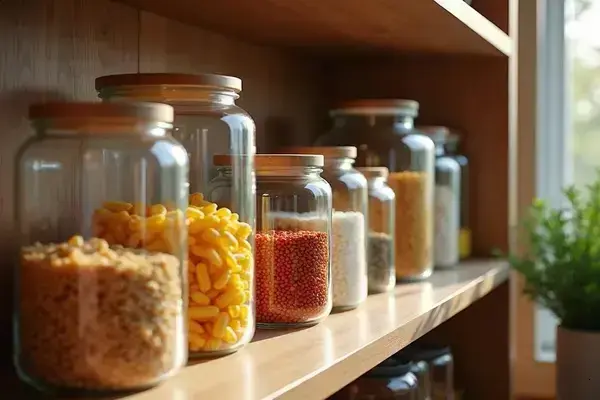
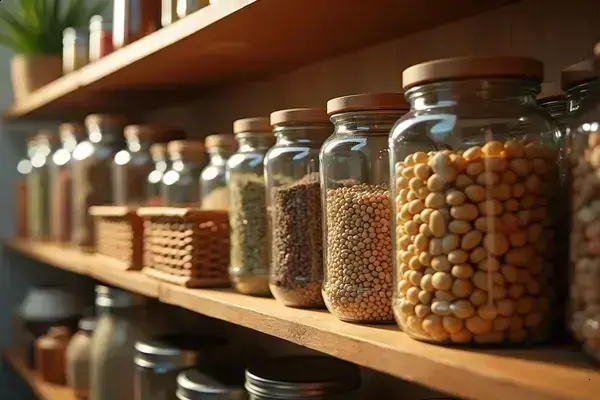
- Store foods for visibility: Clear glass containers let you see at a glance what’s inside. Stackable bins and transparent storage cut down on forgotten leftovers and surprise science experiments.
- Optimize your freezer: Group similar items (all veggies together, proteins together) and use baskets for easy grab-and-go efficiency. Label and date everything so nothing disappears for months.
- Make composting convenient: Keep a small lidded bin under your sink or on your counter. When it’s close at hand, you’ll actually use it.
- Invest in practical tools: Sharp knives, cutting boards, and prep bowls matter. High-quality food storage containers (glass or BPA-free) pay for themselves by saving meals from spoilage.
💡 Pro Tip: According to the EPA, households that regularly organize fridge and pantry space see a 25% drop in food waste. Don’t underestimate the power of a quick weekly reset!
Picture this scenario: you open the fridge, and it’s not a chaotic jumble. Instead, “Eat Soon” bins catch your eye, glass containers reveal their colorful contents, and a tidy compost bin waits by the sink. Dinner decisions get easier, and you’re way less likely to let food slip past its prime.
| Kitchen Feature | Daily Waste Cut | Setup Tip |
|---|---|---|
| Clear Storage | Reduces forgotten leftovers | Use stackable glass bins |
| “Eat First” Zone | Prompts timely use | Keep at eye-level |
| Countertop Compost | Turns scraps into soil | Keep bin close to prep area |
Small steps, repeated consistently, make the biggest difference over time. Once your kitchen environment works with you, saving food — and money — suddenly feels like second nature.
Small Changes, Big Impact at Home
Food waste can feel overwhelming, but you’ve cracked the code on what actually matters: knowing why it happens, how to shop and store smarter, and using creative habits that really last. If you take just one thing from this guide, let it be: simple meal planning and good kitchen setups make food waste reduction at home genuinely doable.
Before today, your fridge might’ve been full of confusion and forgotten veggies. Now? You’ve got clear steps, smart tricks, and a setup that works with you—not against you. It’s about making everyday choices a little easier and watching the waste (and guilt) shrink. You’ll notice the difference every week.
Which strategy feels easiest for you to start with—meal planning, leftovers, or a kitchen reset? Tell us in the comments! Your story could spark someone else’s fresh start, too.

Lauren Marie Collins is a meal planning enthusiast and nutrition writer dedicated to helping everyday people eat healthier, spend less, and actually enjoy the food they prepare. With a passion for practical meal prep systems and honest nutrition guidance, Lauren built this blog to make healthy eating feel simple, sustainable, and genuinely accessible for everyone.