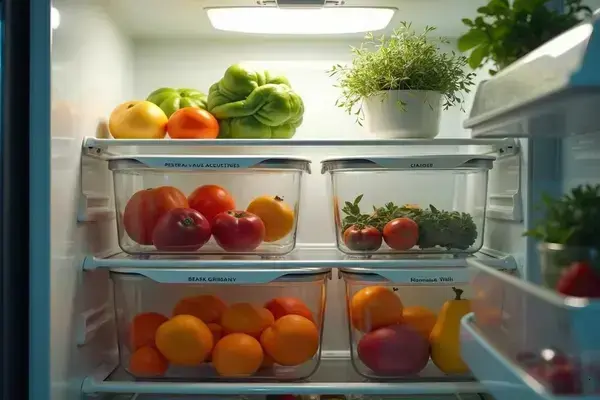
Ever pulled last night’s leftovers from an old container, only to find them smelling weird or stained with tomato sauce? It’s more common than you’d guess, and it’s a headache for anyone who values fresh, safe food in their kitchen.
The wrong food container isn’t just frustrating—it might mean wasted groceries, strange aftertastes, or even worries about chemicals leaching into your meals. If you’ve ever wondered whether glass, plastic, or stainless steel is actually best for your family, believe me, you’re not alone. Choosing blindly can cost time, money, and peace of mind.
Stick with me and you’ll get a plain-English breakdown of the food storage containers comparison—material by material. By the end, you’ll have a clear sense of which option truly fits your priorities (and finally stop second-guessing yourself at the store). Ready to make the switch for good?
Key Differences Between Glass, Plastic, And Stainless Steel
Ever grabbed a food container, then hesitated—wondering if it’s the right choice for your leftovers? The real difference between glass, plastic, and stainless steel isn’t just price or color. Each material impacts your daily convenience, food safety, and even your long-term costs in ways you may not expect.
Here’s the thing: Glass is non-porous, resists stains, and won’t absorb smells. Plastic is lightweight and flexible, but may warp or stain over time. Stainless steel wins for durability and style, but can’t go in the microwave and doesn’t let you peek inside. Manufacturers like Pyrex (for glass), Rubbermaid (for plastic), and U-Konserve (for stainless steel) each optimize for different needs—there’s no single winner for everyone.
💡 Pro Tip: According to the U.S. Food and Drug Administration, always check for BPA-free labeling in plastic containers, especially if you plan to microwave them. This small detail makes a big difference for long-term food safety.
| Material | Pros | Cons |
|---|---|---|
| Glass | Non-porous, oven safe, stain resistant | Breakable, heavier, higher upfront cost |
| Plastic | Lightweight, low cost, flexible sizes | Can absorb odors, stains, possible chemical transfer |
| Stainless Steel | Extremely durable, eco-friendly, no staining | Opaque (can’t see food), not microwavable, may dent |
Picture this scenario: You prep salads for the week and want everything tasting crisp on Friday. If you choose a glass container, your greens stay fresher and you can pop it right in the microwave. Choosing plastic, the container is lighter in your lunch bag, but last week’s curry aroma might tag along. Stainless steel keeps things cool, but means opening each lid just to double-check what’s inside.
The Environmental Working Group highlights: glass and stainless steel are best for avoiding chemical leaching, though high-quality BPA-free plastic now meets strict safety standards. Still, your everyday needs—like carrying weight, reheating, and storage space—often tip the scales in one direction.
But there’s one detail most owners completely overlook until it’s too late…
How Each Material Impacts Food Safety And Freshness
Ever had your lunch smell oddly sour—or your strawberries go mushy before the week’s over? That’s not just “bad luck;” it’s the container material working for (or against) you. When it comes to food safety and freshness, the difference between glass, plastic, and stainless steel is more than cosmetic.
Here’s the truth: food-grade glass won’t leach chemicals, and it creates a tight seal that locks out air and moisture. This slows bacterial growth, helping leftovers last days longer. Stainless steel is also non-reactive, meaning your spicy chili or acidic tomato sauce won’t cause chemical changes or off-flavors. But plastic? Even BPA-free options can sometimes absorb smells and stains, especially after repeat microwave use. That doesn’t necessarily mean plastic is unsafe, but you have to be choosy—low-quality plastics may degrade over time, especially when exposed to heat.
- Glass: Seals tightly, dishwasher safe, great for both hot and cold foods.
- Plastic: Lightweight and portable, but some types can react with oily or acidic foods and develop microscopic cracks.
- Stainless Steel: Ultra-durable and resists bacteria, but isn’t transparent, so you might forget what’s inside until it’s too late.
⚠️ Important Warning: The Centers for Disease Control and Prevention recommend avoiding storing hot food in plastic containers not rated for high heat. Wait until foods cool before transferring, or stick to glass or stainless steel for hot leftovers.
In practice: Imagine prepping a week’s worth of chicken and rice in all three types. By Friday, the glass container keeps your meal noticeably fresher—no odd smells or color changes. The stainless steel portion tastes fine, but you forgot about it since you couldn’t see inside. The plastic? It’s easy to grab, but after Wednesday, you notice a lingering garlic odor that just won’t scrub out.
The National Sanitation Foundation highlights that proper cleaning—regardless of material—is as important as the container choice. Still, when it comes to holding freshness and reducing health risks, investing in the right material pays off with every meal you store.
What actually works might surprise you…
Durability, Maintenance, And Lifespan Considerations
Ever opened your cabinet to find a warped plastic lid or chipped glass edge—and wondered, did I just waste my money? The big players in food storage aren’t all built alike when it comes to standing the test of time. Durability, maintenance, and container lifespan really determine which is worth your investment.
- Glass can last for decades—if it survives a drop. Tempered glass, like Pyrex, resists thermal shock but it’s still prone to shattering on hard tile floors. Dishwasher safe and nearly scratch proof, glass holds up under heavy use, but treat it gently.
- Plastic excels in one way: it’s hard to break. But it scratches with repeated washing, warps in the microwave, and eventually stains. Reputable brands (like Rubbermaid Brilliance) use BPA-free and stain-resistant materials, but even the best can look cloudy after a few years.
- Stainless Steel is king for toughness. You’ll dent it before you break it. It doesn’t rust, stain, or chip—but it does show dings if dropped. Easy to clean and odor resistant, steel containers typically last for many years with little maintenance.
💡 Pro Tip: The Good Housekeeping Institute recommends regularly checking plastic containers for deep scratches or cloudiness—these can trap bacteria, even after washing. When in doubt, recycle and replace.
| Material | Durability | Maintenance & Lifespan |
|---|---|---|
| Glass | Fragile but long-lasting if handled with care | Dishwasher safe, rarely retains odors, may chip |
| Plastic | Shatterproof but prone to warping and scratching | Hand-wash for longevity, replace when cloudy or cracked |
| Stainless Steel | Virtually indestructible; may dent, not break | Easy clean, doesn’t stain, lasts for years |
Picture this scenario: You’ve just meal-prepped three days of soup. The glass container cracks when piping hot soup is added too quickly. The plastic bends out of shape coming out of the dishwasher. But the stainless steel? Still looks new, no matter what’s inside or how rough you are with it.
Consumer Reports points out that a container’s real value isn’t just price, but how well it keeps up with your kitchen routine. And this is exactly where most people make the most common mistake…
Environmental And Health Factors Explained Simply
Ever tossed a stained plastic lid and felt a twinge of guilt—wondering, “Does this even get recycled, or does it just sit in a landfill forever?” The truth is, the environmental and health impact of your food storage choice is bigger than most realize. Let’s break down what really happens, from materials’ lifecycle to their hidden effects on your wellbeing.
- Raw Materials: Glass is made from sand, soda ash, and limestone—abundant, but energy-intensive to manufacture. Plastic comes from petroleum, a non-renewable resource. Stainless steel relies on mined metals but can be recycled easily.
- Production & Transportation: Plastic takes less energy to produce and ship because it’s lighter, while glass is heavier, raising its carbon footprint in transit. Stainless steel’s energy costs are mostly upfront, but its containers last years.
- Use & Safety: Glass and stainless steel don’t leach chemicals, no matter what you store or reheat. Plastic may contain additives and, if overheated, can break down and migrate tiny particles into food, according to the U.S. National Institutes of Health. Always check for food-safe and BPA-free labels.
- End of Life: Glass and steel are 100% recyclable and often upcycled into new products. Most plastics are technically recyclable, but the reality is only a small percentage gets processed—especially if stained with food or oil. Check your local guidelines before tossing.
- Long-Term Impact: Stainless steel and glass can last decades. Replacing plastic containers more often means adding to landfill waste and buying new items again and again.
⚠️ Important Warning: The American Academy of Pediatrics recommends avoiding microwaving plastic containers, even if BPA-free, to reduce potential chemical exposure. If you have health concerns, consult your family physician or a registered dietitian for guidance.
Picture this scenario: You’re meal-prepping for your family and reaching for something reusable. That glass container might feel heavier, but you’re not just preventing chemical leaching—you’re also keeping more plastic out of the waste cycle.
And this is exactly where most people make the most common mistake…
Choosing The Right Container For Your Needs And Lifestyle
Choosing the perfect food storage container might seem simple—until you’re standing in the kitchen, arms full of leftovers, and wondering if your decision actually fits your life. The truth is, your habits, routines, and priorities do matter as much as the specs stamped on a box.
- Assess Your Routine: Ask yourself: Are you constantly on the go? Then lightweight, shatter-resistant plastic could make packing lunches and snacks a breeze. More of a meal-prepper who values reheating and long-term storage? Glass wins for versatility and flavor protection.
- Health and Sensitivity: If you or your family have chemical sensitivities—or you just like knowing your meals touch only inert surfaces—glass and stainless steel are the way to go. They’re also great for baby food and high-acid leftovers.
- Space and Organization: Plastic stacks tightly and fits in small fridge drawers, while glass tends to be bulkier but offers full visibility. Stainless steel works best if you eat most foods at room temp and want a clean, modern look on your shelves.
- Budget and Longevity: Your upfront spend on glass and steel will be higher, but it often pays off over years. If you lose containers often or need many sizes, plastic is usually more affordable to replace.
- Environmental Values: Those aiming for zero-waste or minimal landfill impact often prioritize glass and steel, as both are infinitely recyclable and rarely tossed.
💡 Pro Tip: Mix and match: many experts—like those cited by Consumer Reports—suggest using plastic for dry snacks on the go, glass for microwave reheating, and stainless steel in the freezer or for acidic foods.
In practice: Picture this scenario—a busy parent meal-preps glass casseroles for the week, tosses trail mix into plastic snack boxes, and puts fresh cut fruit in stainless steel tubs for summer picnics. No one material does it all, but together, they streamline healthy eating without clutter.
| Lifestyle | Best Option | Why |
|---|---|---|
| Meal Preppers | Glass | Oven & microwave safe, keeps flavors fresh |
| On-the-Go Families | Plastic | Lightweight, unbreakable, easy to replace |
| Eco-Conscious | Stainless Steel | Long-lasting, 100% recyclable, no stains/odors |
Small steps, repeated consistently, make the biggest difference over time.
Your Kitchen, Your Rules
If you take just one thing from this food storage containers comparison, let it be: the best container is the one that truly matches your needs, not just what’s trendy or on sale. Remember—materials matter for freshness, health, and even the planet. Pay attention to durability, safety, and how they’ll fit into your daily life.
Before, it might’ve felt impossible to choose between glass, plastic, and stainless steel. Now? You know exactly which one supports your routine, your health, and your values. Every meal you store, prep, or pack just got easier and safer. You’re making smarter choices already—one lunch at a time!
Which container style or tip are you most excited to try in your own kitchen? Share your answer in the comments—we want to hear your story!

Lauren Marie Collins is a meal planning enthusiast and nutrition writer dedicated to helping everyday people eat healthier, spend less, and actually enjoy the food they prepare. With a passion for practical meal prep systems and honest nutrition guidance, Lauren built this blog to make healthy eating feel simple, sustainable, and genuinely accessible for everyone.