Ever open your fridge on a busy Wednesday, hoping dinner will magically appear? We’ve all stood there, hungry and stumped, reaching for takeout menus or snacking on whatever’s closest. Weeknight chaos—sound familiar?
The truth is, winging your meals kills hours every week and chips away at both your wallet and your health. You’re tired of last-minute choices, food waste, and that feeling of never quite being ahead. Meal planning isn’t just about food—it’s about making space for what matters, like evenings with your favorite people (or just catching your breath).
Here’s the thing: with a simple meal prep schedule weekly guide, you’ll finally get a reliable routine that works—even if you’ve failed at meal planning before. By the end, you’ll have everything you need to plan, prep, and actually enjoy cooking days again. Ready to banish dinnertime stress? Let’s dig in.
Why Planning Ahead Makes Weeknights Easy
Imagine you get home late on a Thursday, hungry and tired, and instead of dreading the question “What’s for dinner?”—you find a perfectly portioned meal waiting for you in the fridge. That, right there, is the magic of planning ahead.
Here’s the thing: when you take just a bit of time up front to organize your meals, you don’t just save yourself a headache each night. You also save real money (on groceries and takeout), reduce food waste, and support your own long-term nutritional goals without feeling like you’re constantly fighting the clock. It’s a system that works—week after week.
💡 Pro Tip: According to the Academy of Nutrition and Dietetics, meal prepping once or twice a week can lower decision fatigue and help you stick to healthier eating patterns even during the busiest workweeks.
In practice: picture this scenario—a busy parent sets aside an hour on Sunday afternoon. She cuts vegetables, pre-cooks grains, and allocates snacks into small containers for grab-and-go options. When Wednesday rolls around and her schedule goes off the rails, she doesn’t panic. She simply opens the fridge, grabs a meal, and sits down to dinner within minutes. No chaos, no stress.
- Reduced Decision Fatigue: One simple routine means no more last-minute recipe panic.
- Budget-Friendly Shopping: Planning means buying only what you’ll use and skipping expensive impulse buys.
- Healthier Habits: With healthy choices ready, you’re less likely to default to fast food or processed snacks.
- Time Reclaimed: A few hours of prep returns countless hours during the week that you can spend with family, friends, or simply unwinding.
| Weeknight Without Planning | Weeknight With Planning |
|---|---|
| Searching for ingredients, unsure what to cook | Meal is portioned and ready to heat |
| Higher takeout expenses and waste | Controlled costs and zero fridge surprises |
| Stressful evenings, low energy | Smoother evenings, more energy for what matters |
And honestly? Most people think meal prep takes hours, but research from Harvard T.H. Chan School of Public Health shows that planning can fit into nearly any schedule if you start small. But there’s one detail most owners completely overlook until it’s too late…
Setting Up Your Ideal Meal Prep Workspace
What actually makes meal prep effortless? It’s not just a set of recipes—it’s the space you work in. The truth is, an organized, intuitive workspace can cut your meal prep time in half and make the whole process feel a lot less overwhelming.
You don’t need a massive kitchen or fancy chef’s equipment to get started. What helps most is clearing clutter, grouping tools and ingredients, and setting up zones. A great workspace means less wasted motion, fewer spills, and less stress on your busiest days.
💡 Pro Tip: According to the Culinary Institute of America, setting up a basic mise en place (everything in its place) before you start chopping or cooking will dramatically increase efficiency and reduce mistakes for home cooks.
- Clean Counter Space: Start with a clear surface. Wipe down your working area before laying out boards or tools.
- Cutting Board Zone: Keep your most-used chopping board within easy reach, along with a sharp chef’s knife and damp towel underneath to hold it steady.
- Equipment Essentials: Stack your bowls, meal prep containers, measuring cups, and utensils by type. Shelving or baskets work wonders for grabbing what you need in seconds.
- Ingredient Station: Place pre-gathered ingredients—like oils, grains, and spices—in a central area. Store perishables together in a dedicated fridge drawer or bin so you’re not hunting mid-prep.
Picture this scenario: you walk into your kitchen on Sunday morning, and everything you need for the week’s meal prep is ready to go. You set your containers out, grab each ingredient from its bin, and get started—no back-and-forth required.
| Zone | Main Tools | Pro Tip |
|---|---|---|
| Prep | Cutting boards, knives, peelers | Keep sharpened blades—dull ones slow you down |
| Assembly | Mixing bowls, measuring cups, spatulas | Use large bowls to avoid spills and mix efficiently |
| Storage | Glass containers, fridge bins, bag clips | Label containers and stack by meal for grab-and-go access |
And don’t forget: a garbage bowl or compost bin at arm’s reach saves dozens of trips to the trash. Small tweaks like these are what separate a frustrating prep day from a surprisingly smooth one. What actually works might surprise you…
Choosing Recipes That Fit Your Real Life
How do you know which recipes actually make your meal prep worthwhile? The answer isn’t as simple as just picking healthy or tasty dishes. It’s about choosing recipes that match your real schedule, fit your nutrition needs, and actually excite you to eat what’s waiting in the fridge.
The best meal prep recipes check a few crucial boxes. They’re easily batch-cooked, store well for several days, and can adapt to last-minute changes in your week. Sure, you might see a viral TikTok recipe with twenty ingredients, but will you honestly spare an hour each night for prep? Probably not—and that’s okay.
💡 Pro Tip: Registered dietitians at the Mayo Clinic recommend choosing recipes with overlapping ingredients for multiple meals. This reduces shopping time, maximizes fresh produce use, and makes the week feel less repetitive.
In practice: picture this scenario—on a busy week, a freelance designer opts for a big batch of roasted veggies, grilled chicken, and brown rice. She can pair them as grain bowls, wraps, or salads. No meal feels the same, but every meal is ready in minutes. That flexibility is the key to sticking with meal prep, even when your week spins out of control.
- Batch-Friendly: Chili, soups, and casseroles are classics for a reason. They’re easy to portion and reheat.
- Quick Proteins: Grilled chicken, boiled eggs, or baked tofu provide modular protein for different meals.
- No-Wilt Sides: Think shredded carrots, chickpea salad, or roasted sweet potatoes that won’t get soggy by Thursday.
- Flavor Boosters: Pre-made sauces or dressings—stored separately—make plain staples feel like fresh new dishes every day.
| Recipe Type | Best Use | Downside |
|---|---|---|
| Soups/Stews | Lunch and dinner, reheats well | Some separate when frozen |
| Sheet Pan Meals | Minimal hands-on time | Less variety in texture |
| Cold Grain Bowls | On-the-go, office lunches | Some toppings can get soggy |
Look over your next week’s calendar—do you need quick grab-and-go options, or do you have 20 minutes to reheat and plate? Matching recipes to your reality, not your intentions, is the smartest way to make meal prep a lasting habit. And this is exactly where most people make the most common mistake…
A Step-By-Step Guide To Your Weekly Cooking Day
Ever wish meal prep felt less like a marathon and more like a system—even enjoyable? Here’s a proven step-by-step framework you can adjust (and master) with just a little practice. The best part? You don’t need to be a chef or have hours to spare.
- Pick Your Prep Window. Block out 1-3 hours in your calendar. Mornings work great for most, but pick whenever you’re least likely to be distracted.
- Gather All Ingredients and Gear. Use your meal plan, pull everything out, and set up sections on the counter: proteins, veggies, grains, sauces, containers, spice blends.
- Start With What Takes Longest. Roasting sweet potatoes? Simmering rice? Get those cooking first. Multitasking here is key.
- Prep Produce Efficiently. Wash, peel, chop—and group by recipe. Keep a “garbage bowl” close for scraps and compost.
- Batch Cook Proteins. Grill, bake, or sauté all your meats, tofu, or beans together. Use different marinades or spices for flavor variety.
- Portion and Pack. Let food cool. Slice or cube if needed. Layer meals into labeled glass containers for easy grab-and-go during the week.
- Finish With Sauces and Snacks. Prep dressings and single-serve snacks last so they stay fresh, then store everything stacked by day or meal.
- Prep time: 1–3 hours
- Recommended items: sharp knife, large cutting board, glass containers, sheet pans, mixing bowls, measuring spoons, and a timer
💡 Pro Tip: The Academy of Nutrition and Dietetics suggests putting on your favorite playlist or podcast while you cook. It transforms meal prep from a chore into a surprisingly relaxing routine.
In practice: picture this scenario—on Sunday afternoon, you queue up your favorite playlist, set the oven to 400°F, and let the rhythm of chopping, roasting, and portioning carry you through. By suppertime, your fridge looks like the organized section in a gourmet marketplace, and your weeknight self silently thanks you.
And this is exactly where most people make the most common mistake…
Sample Schedules And Templates To Get You Started
What if you could open your fridge and see your week mapped out—right there, in labeled containers, no guesswork, no stress? That’s the power of a meal prep schedule and template: they turn chaotic evenings into effortless, repeatable routines.
| Day | Main Meal | Prep Task |
|---|---|---|
| Sunday | Chili or Sheet Pan Chicken | Batch cook grains, proteins, and a soup |
| Monday | Grain Bowl with Roasted Veggies | Assemble lunches, prep snack packs |
| Tuesday | Stir Fry or Wraps | Cut fresh veggies, refresh salad greens |
| Wednesday | Pasta Bake or Grain Salad | Portion leftovers, prep next snack batch |
| Thursday | Taco Night or DIY Freezer Meal | Freeze surplus, organize containers |
| Friday | Leftovers or Simple Sauté | End-of-week fridge cleanout |
| Saturday | Dining Out or Free Choice | Grocery list and planning for next week |
In practice: a high school teacher prints her weekly template and tapes it to the inside of a cabinet. Every Sunday, she writes in the actual meals and prep tasks. Midweek, just glancing at it keeps her on track—no more last-minute drive-thru stops or realizing she forgot to defrost something for dinner.
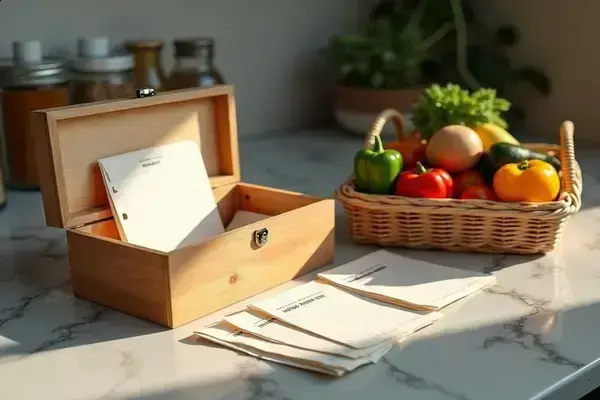
A template should be flexible. Whether you use a printable planner, a whiteboard, or a meal prep app, the goal is simple: track which meals need prepping and when, plus space to note anything that didn’t work (so you can improve next time). According to Harvard T.H. Chan School of Public Health, regular meal planning not only improves nutrition quality but also increases your odds of sticking to a cooking routine.
- What to Fill In: Each week, list meals, ingredient needs, who’s prepping, and important reminders.
- How Often to Update: Write a new template every week or as your routine changes.
- Where to Keep It: Visible place—fridge, pantry, or as a weekly alert on your phone.
💡 Pro Tip: Don’t stress if your template isn’t perfect at first. Tweak as you go—a flexible plan will help you succeed, not trip you up.
Once this is in place, the rest of the routine falls into place naturally.
Your Cooking Days, Finally Under Control
If you take just one thing from this meal prep schedule weekly guide, let it be this: a little planning goes a long, long way. You’ve seen how prepping ahead, building the right workspace, picking real-life recipes, and using flexible templates can change everything about weeknight meals.
Before, dinner felt rushed and chaotic—full of last-minute runs and stress. Now, you’ve got practical tools to make healthy eating easier and evenings more relaxed. It’s not about perfection. It’s about showing up for yourself, one meal at a time. Small steps add up fast.
What part of meal prep are you most excited (or nervous) to try first—planning, organizing, cooking, or just sticking with it? Share your thoughts in the comments. Let’s make next week even better together!
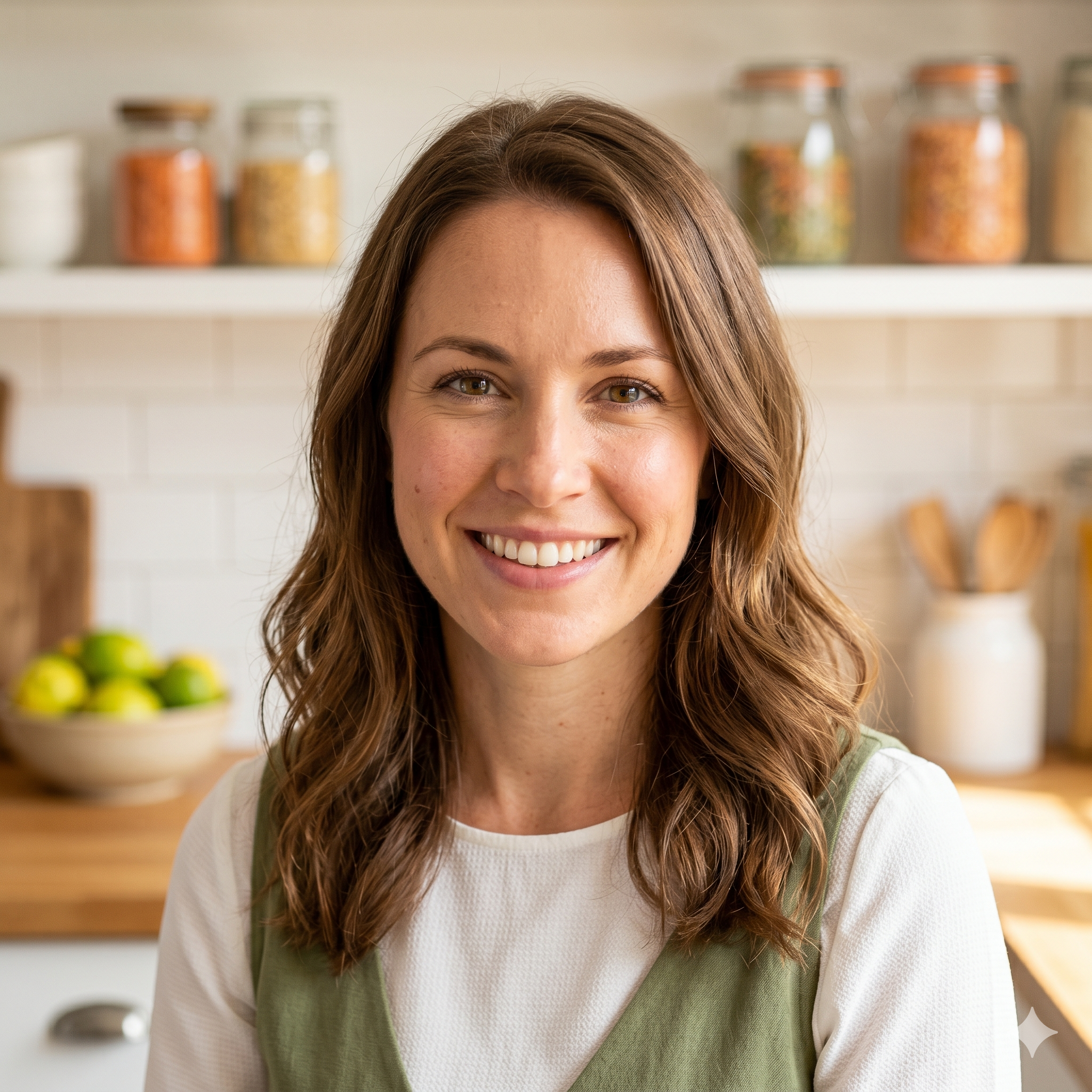
Lauren Marie Collins is a meal planning enthusiast and nutrition writer dedicated to helping everyday people eat healthier, spend less, and actually enjoy the food they prepare. With a passion for practical meal prep systems and honest nutrition guidance, Lauren built this blog to make healthy eating feel simple, sustainable, and genuinely accessible for everyone.