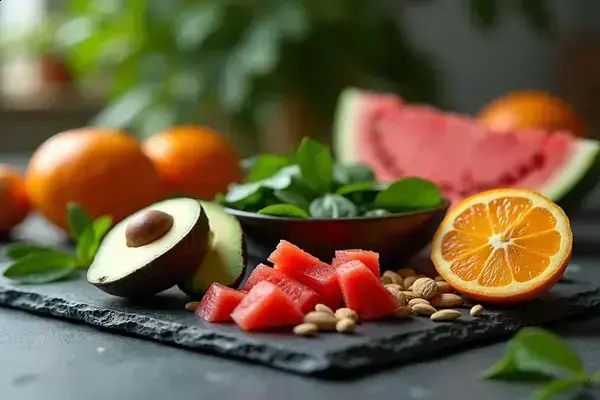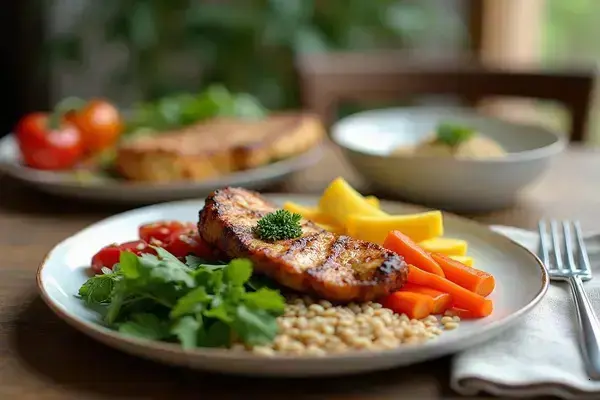
The truth is, you don’t need a glass of milk to fuel your bones. Surprised? Most people don’t realize how many non-dairy foods pack serious calcium—sometimes, even more than dairy itself.
If you constantly worry about getting enough calcium because you avoid milk, you’re not alone. It’s frustrating—reading labels, double-checking menus, feeling anxious that your bones aren’t getting what they need. It’s exhausting, and honestly? It shouldn’t be this hard to take care of your body.
By the end of this guide, you’ll have a list of calcium foods non-dairy bones and smart ways to strengthen your bones, no milk required. You’ll wonder why you ever thought dairy was the only way. Ready? This is where you take control.
Why Calcium Matters For Strong Bones
Wondering if calcium really deserves its reputation as the backbone of bone health? The truth is, your body treats calcium not as an optional extra, but as structural currency — every day, your bones act as a living bank for this vital mineral, lending and depositing as your life demands.
Your bones aren’t static. They’re dynamic structures, constantly breaking down and rebuilding in a process experts call bone remodeling. Without enough dietary calcium, that remodeling leans one way: more withdrawals, fewer deposits. Over time, this can lead to weaker bones — and increases your risk for conditions like osteoporosis down the line.
💡 Pro Tip: According to the National Institutes of Health, adults typically need 1,000 to 1,200 mg of calcium daily for optimal bone maintenance. Many people underestimate just how quickly gaps can add up if they skip dairy or rely on infrequent calcium-rich foods.
Picture this scenario: Emily, age 38, skips milk and cheese due to lactose intolerance. She’s always active and assumes her plant-based diet covers her needs. But at her last checkup, her doctor noted early bone loss — despite her healthy habits — simply because her usual meals fall short on daily calcium targets.
- Calcium’s core role: It builds and stabilizes the dense inner matrix of your bones, acting almost like the rebar in reinforced concrete.
- Daily use: Your body pulls calcium for muscles, nerves, and heart function. If your blood runs low, it taps into your bones to compensate.
- Consequence of shortages: Low intake forces your body to rob reserves from bone tissue — weakening it slowly, often without symptoms until a fracture or test reveals the loss.
Official guidelines from the World Health Organization stress consistent calcium intake as one of the top non-negotiable factors in lifetime bone strength. Pediatrics to geriatrics — all ages benefit from a calcium-conscious diet.
| Stage of Life | Daily Calcium Need (mg) | Why It Matters |
|---|---|---|
| Children & Teens | 1,300 | Peak bone growth, lifelong foundation |
| Adults 19-50 | 1,000 | Maintenance, daily cellular function |
| 50+ Women / 70+ Men | 1,200 | Slows age-related bone loss |
Not sure how to adjust your daily routine after learning this? What actually works might surprise you…
Top Non-Dairy Foods Packed With Calcium
If you’ve cut down on milk or cheese, you might wonder: Can non-dairy foods really deliver enough calcium for healthy bones? The answer is yes — if you choose the right options, you’ll get just as much (or sometimes more) than a glass of milk.
It’s about knowing where to look. Plant-based, seafood, and fortified products all play a part in topping up your daily calcium needs without any milk involved.
| Food | Calcium per Serving | Key Benefits |
|---|---|---|
| Tofu (with calcium sulfate) | 350 mg / 1/2 cup | High protein, very absorbable |
| Canned Sardines (with bones) | 325 mg / 3 oz | Omega-3s, vitamin D |
| Bok Choy | 160 mg / 1 cup | Low oxalate, easy digestion |
| Fortified Almond Milk | 300 mg / 1 cup | Low-calorie, shelf-stable |
💡 Pro Tip: Not all tofu or plant milks are created equal — check for “calcium-fortified” or “set with calcium sulfate” on the label for true bone-boosting potential. The National Osteoporosis Foundation specifically recommends these versions for those avoiding dairy.
In practice: A busy professional, Joe, packs his daily lunch box with dry-roasted almonds, steamed broccoli, and a container of sesame seed hummus. He doesn’t miss dairy at all, hitting nearly 700 mg of calcium by lunchtime — and the variety keeps meals far from boring.
- Chia Seeds: Just two tablespoons contain about 180 mg of calcium, plus fiber and healthy fats.
- Kale: One cup cooked yields 180 mg, with bonus vitamin K for bone metabolism.
- White Beans: Around 160 mg per cup, ideal for soups and stews.
- Blackstrap Molasses: Two tablespoons add 200 mg, perfect for oatmeal or smoothies.
For a full personalized plan, consider talking with a registered dietitian — expert guidance ensures you avoid nutritional gaps, especially if you have medical conditions or unique dietary needs.
But there’s one detail most people completely overlook until it’s too late: not all that calcium you eat will actually make it to your bones…
How To Boost Calcium Absorption Naturally
So, you’re loading up on non-dairy calcium — but how do you make sure your body actually absorbs what you eat? Here’s the thing: not all calcium makes it from your plate to your bones unless you use a few smart tweaks.
Several real-life factors can reduce (or supercharge) how much calcium your system absorbs. Vitamin D intake, meal timing, the types of foods you pair, and even some household habits all play parts in the process.
- Get Enough Vitamin D: This vitamin acts like a key — unlocking the door for calcium to enter your bloodstream. Sunlight and fortified foods help a lot.
- Spread Calcium Throughout the Day: Your body absorbs small doses best, so try to divide calcium-rich foods between meals and snacks.
- Pair with Magnesium Sources: Nuts, seeds, and beans contain magnesium, which supports calcium metabolism.
- Limit Excess Sodium: Too much salt causes calcium loss in urine. Go easy, especially with processed foods.
- Avoid Overdoing Caffeine: Three or more cups daily can slightly reduce absorption, according to the Harvard School of Public Health.
⚠️ Important Warning: Some leafy greens — like spinach and Swiss chard — have oxalates that bind calcium and lower absorption. Choose kale or bok choy when possible for better results. The National Institutes of Health points this out in their bone health guidelines.
- In practice: Imagine Sam, who drinks a glass of fortified almond milk with lunch, tosses roasted edamame on his salad, and takes a 15-minute walk in the sun. By spreading his intake and boosting vitamin D, he’s giving his bones the best shot at soaking up every milligram.
Worried about calcium supplements or if you need extra support beyond food? It’s smart to check in with a registered dietitian or your doctor — personalized advice always beats guesswork, especially if you have kidney, thyroid, or digestive issues.
And this is exactly where most people make the most common mistake: they miss one myth that could undo all their good efforts…
Common Myths About Dairy And Bone Health
How many times have you heard, “You need milk for strong bones”? It’s one of those health one-liners that sticks — but the truth is, it’s only part of the story. Let’s cut through the noise and clarify what really matters for your bones, beyond the dairy aisle.
It surprises many people to learn that countries with the highest dairy intake — like the United States and Sweden — still report high rates of osteoporosis, according to data from the International Osteoporosis Foundation. So, what’s really going on?
💡 Pro Tip: Don’t let advertising or social pressure shape your calcium plan. Diversity in calcium sources can actually lower your risk of nutritional gaps or digestive hurdles, says the Harvard T.H. Chan School of Public Health.
In practice: Picture this scenario — Taylor, age 45, found herself bloated and tired after dairy-heavy meals but kept drinking milk because “that’s what’s best for bones.” When she consulted her physician, they suggested non-dairy options. Within weeks, her digestion improved, and her bone density stayed stable.
- Myth: Only dairy builds bones.
Fact: Calcium is found in many foods, and not all sources are equal in how your body uses the mineral. - Myth: More dairy always means better bone health.
Fact: Your bones can only absorb so much at a time; excess dairy doesn’t magically translate to stronger bones. - Myth: Non-dairy diets cause weak bones.
Fact: Fortified plant milks, tofu, seeds, and leafy greens can meet (or exceed) daily needs for most people.
| Myth | Reality | Best Practice |
|---|---|---|
| Dairy is the only answer | Multiple dietary paths work | Broaden your calcium sources |
| Milk = stronger bones | Balance, not excess, matters | Pair with vitamin D |
| Plant milks are weak | Fortified options count | Read labels for calcium content |
What actually works might surprise you…
Simple Tips To Add More Calcium Foods Daily
Want to make strong bones a habit, not a hassle? The secret isn’t overhauling your routine — it’s finding tiny ways to put calcium where you’ll actually eat it. Here are some simple but high-impact tips that real people use every day.
- Start your day smart: Add fortified plant milk or calcium-set tofu cubes to your breakfast bowl.
- Snack with purpose: Keep roasted almonds, pumpkin seeds, or sesame bars on hand for a crunchy calcium boost.
- Greens in every meal: Toss a handful of kale, bok choy, or broccoli into soups, stir-fries, or wraps. They’re surprisingly versatile and mild.
- Dress up your dishes: Sprinkle chia seeds or blackstrap molasses over oatmeal, smoothies, or even salads for extra calcium and fiber.
- Upgrade store-bought foods: Check nutrition labels for “fortified with calcium” on plant-based milks, orange juices, and even some breakfast cereals.
💡 Pro Tip: Plan one routine “calcium check-in” a week — it could be as easy as looking at your grocery list and making sure at least three non-dairy calcium sources are included. According to the Academy of Nutrition and Dietetics, this small step can fill gaps before they start.
Picture this scenario: Ana, juggling family and work, sets a Sunday reminder to add tofu and leafy greens to her grocery order. That simple, intentional addition means she never has to stress over her family’s bone health — even during a busy week.
- Mix beans into pasta sauces for a hidden calcium source.
- Try sardine salad sandwiches — bones included — for lunch.
- Batch-cook chia pudding or overnight oats on Sunday to last all week.
Once this is in place, the rest of the routine falls into place naturally.
Building Strong Bones Your Way
We covered a lot — why calcium is a must for bone health, top non-dairy foods that deliver plenty of it, and practical, no-fuss ways to make it part of your everyday life. If you take just one thing from this guide, let it be: you can build and protect strong bones with calcium foods non-dairy bones — no milk required.
Maybe you used to feel stuck, wondering if skipping dairy meant sacrificing your health. That changes now. You’ve learned what really works, how to boost absorption, and which myths to ignore. Simple swaps and small habits make a big difference. Confident choices start today. You’re absolutely equipped for this.
Which tip or food are you most excited to add to your meals? Share your thoughts in the comments — and let’s cheer each other on to stronger, healthier bones!

Lauren Marie Collins is a meal planning enthusiast and nutrition writer dedicated to helping everyday people eat healthier, spend less, and actually enjoy the food they prepare. With a passion for practical meal prep systems and honest nutrition guidance, Lauren built this blog to make healthy eating feel simple, sustainable, and genuinely accessible for everyone.