You know that feeling when you’ve stared at your fridge for too long, wishing healthy meals would magically appear? We’ve all been there—overwhelmed by the choices and tempted to just order out (again). The idea of clean eating sounds simple, but life’s chaos often gets in the way.
Here’s the thing: when you don’t have a real plan, unhealthy habits creep in fast. Instead of nourishing foods, it’s the same cycle of quick fixes and snacks that leave you dragging. The stress, the energy crashes, the guilt—you start to think maybe eating well just isn’t realistic for your busy week.
By the end of this guide, you’ll have a clean eating meal plan week mapped out, a pantry ready for action, and a handful of delicious whole food recipes that don’t require a culinary degree. Ready to take control without the overwhelm? Let’s jump in.
What Clean Eating Really Means For Your Daily Life
If you’ve ever wondered why clean eating seems so hyped—and yet so confusing—you’re not alone. Everyone throws the term around, but when you try to pin down what it actually means, opinions start to diverge fast. So what does clean eating really look like for real people, living real, messy lives?
The truth is: clean eating isn’t about chasing perfection, restriction, or a rigid, joyless list of ‘bad foods.’ It’s about focusing on food quality, choosing minimally processed ingredients, and fueling yourself with meals you recognize from nature. Whole grains, colorful vegetables, fresh fruits, lean proteins—these form the core, not the outlier, of your plate.
💡 Pro Tip: Aim for ingredients with five or fewer components on the label, and make sure you can pronounce every single one. The Academy of Nutrition and Dietetics notes that foods with shorter, simpler ingredient lists often support better health outcomes without piling on preservatives or unnecessary fillers.
Picture This Scenario:
You come home after a stressful Tuesday, hungry and tired, but there’s a fridge full of prepped veggies, brown rice, and roasted chicken. Instead of dialing for fast food (again), you throw together a vibrant bowl in minutes. Not only do you eat more fiber and antioxidants, but your energy the next day actually spikes—no crash, no guilt. That’s clean eating at work in real time, and it’s wildly different from dieting or obsessing over calories.
- Whole Foods Over Hype: Think apples, not applesauce. Quinoa, not cheesy chips. Swap boxed, shelf-stable meals for things your grandmother would recognize.
- Minimal Processing: If it’s been stripped, dyed, or pressed a dozen ways, it’s probably not ‘clean.’ Less tampering usually means more nutrition.
- Nutrient Density: Foods rich in vitamins, minerals, fiber, and healthy fats keep you full and your body humming.
- Sustainability Counts: Clean eating isn’t a sprint. It’s about building habits that fit (and flex) with your actual lifestyle.
According to the Harvard T.H. Chan School of Public Health, making gradual shifts toward whole, unprocessed meals lowers your risk of chronic diseases—especially if you balance carbs, protein, and fat at each meal.
So if you’re tired of overthinking or feeling judged by every trending hashtag, just remember: clean eating isn’t a contest. It’s about feeding yourself well, more often than not, and giving your body what it recognizes as real food. But there’s one detail most people completely overlook until it’s too late…
How To Prep Your Kitchen And Pantry For Success
If you want clean eating to be easy, your kitchen has to work for you—not against you. The quickest way to sabotage your week? Trying to eat whole foods in a space jammed with mystery cans and processed snacks. Prepping your kitchen and pantry sets the stage for painless, healthy choices—even when life’s chaotic.
💡 Pro Tip: Give every staple a dedicated spot. The Academy of Nutrition and Dietetics recommends using clear containers for grains and seeds, so you actually use what you buy instead of letting it collect dust.
Picture this scenario: It’s Monday night. You’re tired, your stomach’s rumbling, and you’re considering those leftover cookies in a forgotten corner. But you open your pantry to see whole grain pasta, brown rice, canned chickpeas, and neatly stacked jars of nuts and seeds. Suddenly, clean eating is within arm’s reach—without a struggle.
- Essentials to Stock:
- Whole grains: brown rice, oats, quinoa
- Lean proteins: canned tuna, beans, eggs
- Healthy fats: olive oil, nut butters
- Spices and herbs: basil, paprika, cumin, oregano
- Fresh/frozen produce: spinach, berries, carrots
Don’t ignore the tools, either. Set yourself up for meal prep wins:
- Sort through your pantry and toss ultra-processed foods. If it’s sticking around from last year, you probably won’t use it.
- Clean out your fridge. A tidy fridge means you’ll actually see the produce before it wilts.
- Group foods by type in labeled baskets (grains, snacks, proteins), so you grab the healthy thing without overthinking it.
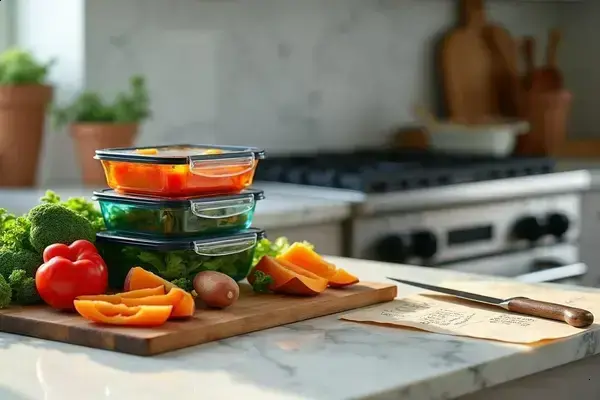
- Keep sharp knives, a chopping board, a nonstick skillet, and food-safe storage containers within arm’s reach.
- Choose one prep day a week—Sunday works for most—and chop, portion, or precook basics so weekday meals are grab-and-go.
| Item | Clean Eating Version | Why It Matters |
|---|---|---|
| Bread | 100% whole grain loaf | Higher fiber, less sugar |
| Pasta | Whole wheat penne | More complex carbs, steady energy |
| Snacks | Roasted nuts & unsweetened yogurt | Protein-rich, fewer additives |
The USDA’s MyPlate program stresses the value of a visible, organized kitchen—because you’re more likely to reach for healthy food when it’s front and center.
And this is exactly where most people make the most common mistake…
Sample One-Week Meal Plan With Whole Food Recipes
What does a week of clean eating actually look like on your plate? The secret isn’t meal boredom or endless chicken breasts—it’s building variety with nourishing, whole ingredients while saving your sanity on busy days. If the phrase “meal plan” makes you nervous, you’re not alone; most people fear it means sacrificing flavor or spending hours in the kitchen.
Picture this scenario:
You open your fridge each morning to see prepped containers of overnight oats, a colorful stir-fry waiting for lunch, and a hearty veggie chili for dinner. Snacks? Fresh fruit and roasted nuts on standby. You’re eating more vitamins, barely thinking about it, and—unlike a crash diet—you’re not counting down the days to quit.
💡 Pro Tip: Use batch-cooking for the basics, then switch up seasonings or pairings so the same ingredient never feels repetitive. The American Heart Association highlights that prepping a few staples ahead (like roasted sweet potatoes or brown rice) can cut weekly cooking time by 30% and reduce impulse ordering.
| Meal | Sample Recipe | Nutrition Focus |
|---|---|---|
| Breakfast | Overnight oats with almond butter and blueberries | Fiber, protein, healthy fats |
| Lunch | Quinoa & black bean bowl with cilantro-lime dressing | Plant protein, iron, vitamin C |
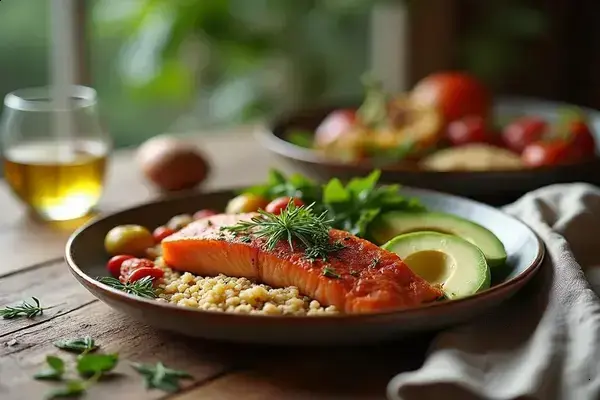
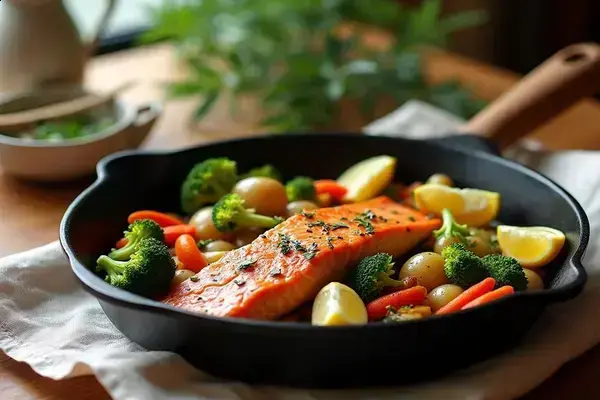
| Dinner | Grilled salmon, roasted sweet potatoes, steamed broccoli | Omega-3s, complex carbs, antioxidants |
| Snack | Sliced apples with cinnamon and walnuts | Micronutrients, energy, heart health |
- Pick a batch-cooking day (Sunday works for most) and double your favorite grains, proteins, and veggies.
- Prep overnight oats, hard-boiled eggs, or protein muffins for grab-and-go breakfasts.
- Store leafy greens already washed and chopped, so salad-building takes seconds on weekdays.
- Rotate three dinner recipes to match your mood—think stir-fry, sheet-pan meals, or slow-cooker bean chili.
- Use small storage containers for nuts, berries, or sliced veggies to take the snack guesswork out of busy afternoons.
According to the Harvard School of Public Health, planning meals around whole foods (vs. ultra-processed choices) cuts your risk for metabolic disease and improves energy—without demanding gourmet cooking skills.
But what actually works might surprise you…
Smart Grocery Shopping Tips To Save Time And Money
Ever feel like your grocery trips end with a lighter wallet and a cart full of random snacks? Clean eating gets easier—and way more affordable—when your shopping habits work for you, not against you. Planning is everything. With a little strategy, you’ll actually save time and skip those expensive impulse grabs.
💡 Pro Tip: Make a shopping list based on specific meal plans for the week. The Academy of Nutrition and Dietetics recommends sticking to your list and shopping the outer edges of the store, where unprocessed foods like produce, dairy, and meats are kept.
Picture this scenario: It’s Sunday morning. You scan your one-week meal plan, jot down exactly what’s needed, and hit the store. Instead of wandering the snack aisle, you breeze through produce, bulk grains, and lean proteins—finishing in half the time, with no forgotten essentials or ‘just-in-case’ extras.
- Check your pantry and fridge first. Use up what you already have before buying more.
- Map out meals and snacks for the week so you only buy what you’ll actually use.
- Shop seasonal produce. It’s fresher, cheaper, and often tastier. Think strawberries in summer, squash in winter.
- Don’t overlook the bulk bins—grains, nuts, and dried beans cost less and can be measured precisely.
- Look for store-brand versions of staple items. They’re almost always as nutritious as name brands for a fraction of the price.
- Quantities matter: buy just enough perishable items for 3–4 days, then restock mid-week if needed to avoid waste.
| Strategy | Benefit | Potential Savings |
|---|---|---|
| Bulk bin purchasing | Exact portions, less packaging | Up to 20% on dry goods |
| Seasonal produce | Lower prices, peak flavor | 10–30% on fruits/veggies |
| Store brands | Comparable nutrition, less cost | 10–15% per shop |
According to the USDA Economic Research Service, shoppers who plan ahead and focus on whole foods typically spend less per meal than those loading up on ultra-processed convenience foods—plus, you get healthier returns.
What actually works might surprise you…
Ways To Keep Clean Eating Fun, Flexible And Sustainable
Can eating healthy really be something you look forward to—even when life gets unpredictable? The secret: loosen the rules without lowering your standards. Clean eating doesn’t have to be rigid, bland, or socially isolating; in fact, the more flexible and enjoyable you make it, the longer it’ll stick.
💡 Pro Tip: Build mini “theme nights” (like Taco Tuesday or Stir-Fry Friday) using whole ingredients. The American Heart Association notes that variety and fun boost motivation and reduce risk of nutrition burnout over time.
In practice: let’s say Wednesday gets wild. Your schedule flips, you’re running late, and there’s zero energy to cook. That’s when having a rotation of 10-minute back-pocket meals (like veggie omelets, grain bowls, or whole-wheat pita “pizzas”) means you eat well—no matter what curveball hits.
| Strategy | How It Works | Enjoyment Factor |
|---|---|---|
| Meal swaps with friends | Each brings a healthy homemade dish to share | Social, inspiring, breaks routine |
| Flexible snack prep | Rotate nuts, trail mix, fruit, and yogurt cups | Never bored, always a healthy option |
| Spice exploration | Try one new spice or global recipe each week | Big flavor, low effort |
- Let yourself experiment with new sauces or homemade dressings—these elevate even basic salads or proteins.
- Batch prep smoothie bags with various frozen fruits, seeds, and greens for grab-and-blend breakfasts.
- Swap one processed treat for a naturally sweet option (think dates with nut butter) when cravings hit.
- If eating out, scan menus for grilled, roasted, or steamed items and don’t hesitate to make special requests.
- Remind yourself—progress is the real win, not perfection. Celebrate the days you choose nourishing options, and forgive yourself for the ones when it’s just about getting fed.
The Centers for Disease Control and Prevention emphasize that long-term change comes from consistency, not from doing things perfectly every day. It’s completely valid to adjust on busy weeks and come back strong the next. Small steps, repeated consistently, make the biggest difference over time.
Your Clean Eating Week Starts Now
If you take just one thing from this guide, let it be: clean eating is about progress, not perfection. With your kitchen prepped, a simple whole food meal plan mapped out, and real-life tips for flexibility, a clean eating meal plan week is totally possible for real people with busy lives.
Before, healthy meals might’ve felt overwhelming, expensive, or just out of reach. Now, you know how to shop smart, prep in advance, and keep meals enjoyable and adaptable—no food guilt, no boring routines. Small steps add up quick, and you’re way more capable than you thought.
What’s one clean eating change you’re most excited to try this week? Share it in the comments—we’d love to cheer you on!
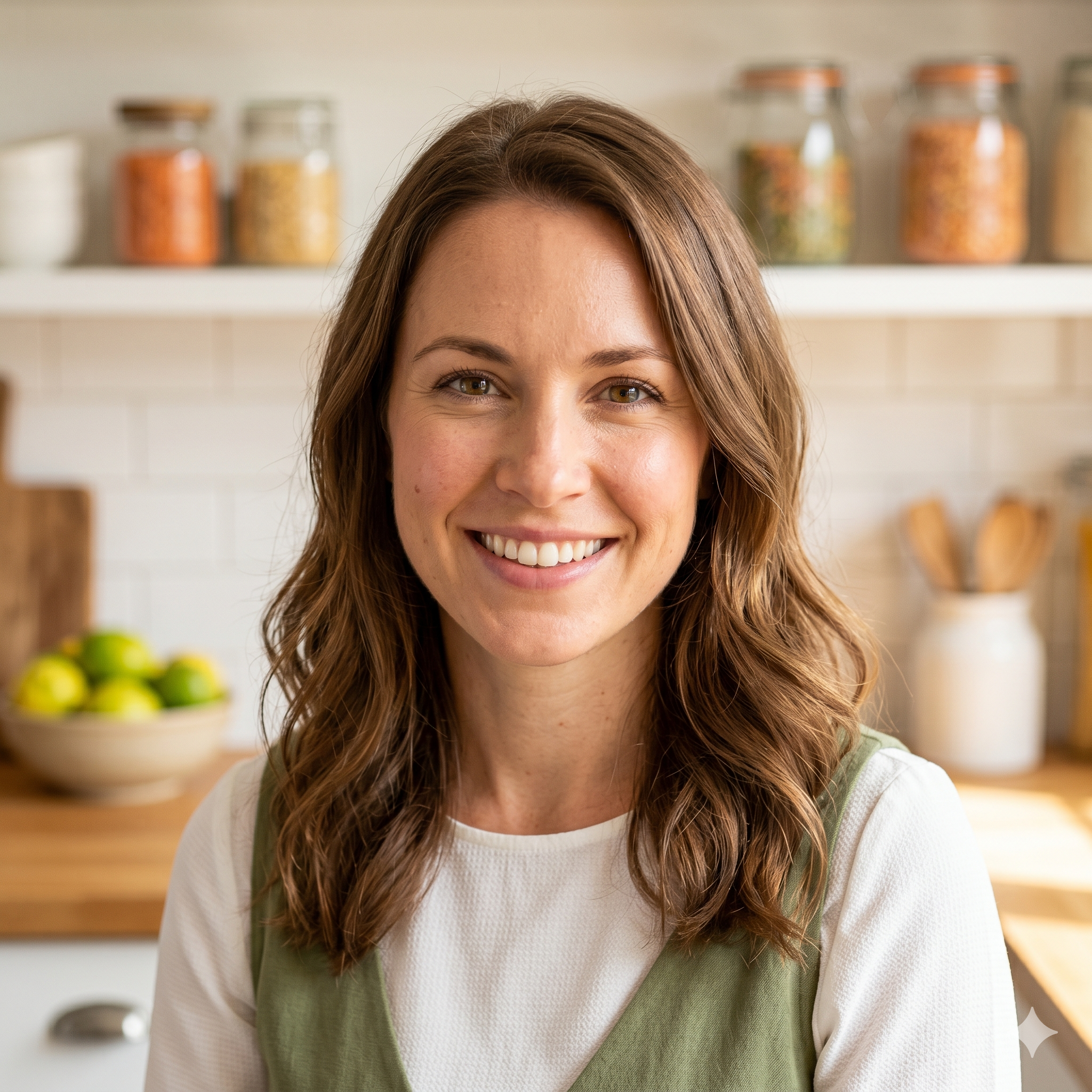
Lauren Marie Collins is a meal planning enthusiast and nutrition writer dedicated to helping everyday people eat healthier, spend less, and actually enjoy the food they prepare. With a passion for practical meal prep systems and honest nutrition guidance, Lauren built this blog to make healthy eating feel simple, sustainable, and genuinely accessible for everyone.