Picture this: you’re checking the nutrition label of that seemingly healthy soup, only to find it’s packed with salt—and you’re not alone in that surprise. Sodium sneaks into our meals more than most of us expect, leaving even the most careful eaters scratching their heads at the end of the day.
It’s frustrating, isn’t it? You want to eat better for your heart, but working around high sodium feels like solving a puzzle with missing pieces. That subtle bloat, the extra thirst, or a nagging worry about your next blood pressure reading—those aren’t just inconveniences. They’re the real-life ripple effects of too much salt.
By the time you finish reading, you’ll have the confidence to choose low sodium meal plan recipes that actually deliver on flavor and keep you under 1500mg a day. Ready to discover just how good heart-healthy eating can taste?
Understanding Sodium: Why Less Is More For Your Heart
How much sodium is really in your daily diet? If you think you’ve got a handle on it just by skipping the salt shaker, you may be in for a surprise—the vast majority of sodium sneaks in from places you’d least expect, and your heart feels the pressure.
The truth is: most Americans consume well over 3,400mg of sodium per day, but the American Heart Association recommends just 1,500mg for optimal cardiovascular health. That’s not just a guideline—it’s a matter of protecting your arteries, managing fluid balance, and lowering your long-term risk of high blood pressure, heart attack, and stroke.
💡 Pro Tip: Always check the nutrition facts panel, not just for “sodium” but for all sources—baking powder, canned soups, sauces, deli meats—these account for more than 70% of the sodium we eat, according to the Centers for Disease Control and Prevention.
How Excess Sodium Impacts Your Body
- Increases Blood Pressure: Sodium holds onto water, making your heart work harder.
- Stresses Kidneys: Your kidneys filter excess sodium, and over time, high levels can reduce their function.
- Affects Bone Health: High sodium intake promotes loss of calcium in urine, potentially weakening bones.
Picture this scenario: you’re grabbing a “healthy” microwave meal after a long day, just wanting something fast. You think you’re being smart, but one quick glance reveals over 900mg of sodium—in a single serving. One more similar choice and you’re over the daily recommendation by lunchtime.
| Food Type | Average Sodium (mg) | % Daily Limit (1500mg) |
|---|---|---|
| 1 slice deli turkey | 500 | 33% |
| 1 cup canned soup | 800 | 53% |
| 1 fast food sandwich | 1100 | 73% |
But what actually makes sodium so subtle—and hard to spot—are the “hidden sources” in processed foods, condiments, and even bakery items. The FDA actually requires processed food makers to display sodium content, but manufacturers may use terms like “soda” or “sodium benzoate” instead of plain salt.
So, understanding sodium is more than just avoiding a salt shaker. It’s about learning how food labeling works and recognizing where the largest culprits really are. The best first move? Keep a food diary for a few days—use a free app like MyFitnessPal to tally your sodium and see exactly where it’s coming from. But there’s one detail most home cooks completely overlook until it’s too late…
How To Spot Hidden Sodium In Everyday Foods
Have you ever thought you were making a heart-healthy choice, only to realize later that your “low-fat” snack is swimming in sodium? That’s the tricky part—salt isn’t just sprinkled on your fries or popcorn. It’s cleverly tucked into foods you might eat every single day, posing real challenges when you’re aiming for a genuine low sodium meal plan.
The first step? Knowing where to look. Here’s the thing: product labels are filled with surprises. “Reduced sodium” doesn’t mean “low,” and “all natural” doesn’t mean salt-free. Let’s break it down with a checklist.
- Flip every package: Check the Nutrition Facts for sodium per serving—and remember, packages often contain multiple servings.
- Scan the ingredients list: Look for more than just “salt”—names like sodium citrate, monosodium glutamate (MSG), baking soda, and sodium benzoate all count.
- Ignore the marketing fluff: Claims like “heart smart” don’t guarantee salt is low. Trust specifics over slogans.
- Compare brands and types: The same food (even the same flavor of soup or bread) could contain double the sodium depending on the brand.
- Beware of sauces and condiments: Soy sauce, bottled dressings, ketchup, and bouillon cubes are some of the worst hidden sources.
- Check canned and jarred goods: Even plain vegetables and beans can be loaded with added salt. Look for “no salt added” options wherever possible.
⚠️ Important Warning: The U.S. Food and Drug Administration states that products labeled “sodium-free” still can have up to 5mg per serving. Always add up your total across the day and don’t assume any packaged food is truly zero salt.
Spot The Sneaky Sodium: A Comparison Table
Picture this scenario: you grab a whole wheat bread thinking it’s a safer choice, but the sodium varies wildly between brands—even more than in some chips!
| Food | Typical Range (mg/serving) | Common “Hidden” Source |
|---|---|---|
| Whole Wheat Bread (1 slice) | 120-230 | Sodium stearoyl lactylate |
| Cottage Cheese (1/2 cup) | 350-420 | Added salt |
| Breakfast Cereal (1 cup) | 130-300 | Sodium phosphate |
| Frozen Veggie Lasagna | 400-700 | Baking soda, processed cheese |
In practice: after a week of jotting down every product, most people are stunned by where the sodium really comes from—it’s more in your bread, breakfast, and sauces than in that occasional handful of chips.
What actually works might surprise you…
Building A Low Sodium Pantry That Actually Tastes Good
Can you really enjoy flavorful meals if you cut out most sodium? Absolutely—but only if your pantry is well-stocked with the right alternatives. A low sodium pantry isn’t a sad lineup of bland grains. It’s a toolkit full of vibrant flavors and smart swaps that make you forget you ever relied on salt to begin with.
Here’s the thing: many people think “low sodium” means giving up on taste, but the secret is knowing which ingredients punch up savory, tangy, or spicy notes without adding milligrams. It all starts with your shopping list.
- Dried and fresh herbs: Basil, thyme, rosemary, dill, cilantro, mint
- Salt-free spice blends: Look for certified salt-free mixes like Mrs. Dash or store-brand alternatives (be sure to check the label!)
- Citrus: Lemon and lime juice, fresh zest
- Vinegars: Apple cider, balsamic, red wine, rice
- Alliums: Garlic and onion (fresh, powdered, or roasted, but check powders for hidden sodium)
- Umami boosters: Nutritional yeast, smoked paprika, unsalted tomato paste
- Low sodium broth: Choose boxed or homemade with 140mg sodium or less per cup
- Unprocessed whole grains: Quinoa, brown rice, barley, farro
- No added salt canned beans: Or cook dried from scratch
💡 Pro Tip: The National Heart, Lung, and Blood Institute recommends building up a rotating collection of salt-free acids and spices. Mixing citrus and vinegar with fresh herbs can dramatically elevate roasted vegetables or salad dressings—no extra salt needed.
Example: Revamping Your Pantry
In practice: imagine you’re prepping for taco night. Instead of reaching for taco seasoning loaded with sodium, you blend together cumin, smoked paprika, garlic powder, chili, and a squeeze of lime—suddenly, you’ve recreated those bold flavors, no salt in sight.
| Pantry Essential | Role in Flavor | Sodium (mg/serving) |
|---|---|---|
| Fresh lemon juice | Bright, tangy finish | 0 |
| Salt-free spice blend | Complex savory flavor | 0-5 |
| Nutritional yeast | Cheesy, umami depth | 5-10 |
The truth is, a low sodium pantry helps you rediscover how many other flavors you’ve been missing—and commercial salt substitutes aren’t your only option. But there’s one kitchen technique most people skip, even though it can triple the taste payoff…
Simple Swaps: Flavorful Techniques Without The Salt
Do you feel like skipping salt means sacrificing flavor? That’s an understandable concern—but there are simple, chef-approved swaps that deliver bold, satisfying taste while keeping sodium on the sidelines. Real flavor isn’t just about salinity; it’s layers of acid, umami, fresh herbs, and savory techniques. With a little creativity, you’ll barely notice the salt is gone.
- Choose citrus over salt: Lemon zest, lime juice, and even a splash of orange can brighten up roasted vegetables, grilled chicken, and soups. The acid wakes up your palate just like salt does—without the sodium.
- Double down on aromatics: Sauté onions, garlic, and shallots in olive oil to form a rich foundation. Slow-cooking them releases natural sweetness and depth.
- Roast and char: Invest time in roasting veggies until caramelized or adding a bit of char to proteins—a trick that builds natural umami and brings a satisfying complexity.
- Use salt-free umami boosters: Nutritional yeast, dried mushrooms, low-sodium soy alternatives, and unsalted tomato paste all add that craveable savory edge.
- Lean into fresh and dried herbs: Add basil, cilantro, parsley, thyme, or mint to finish dishes. Sprinkle freshly chopped herbs after cooking for maximum impact.
- Try infused vinegars and oils: Experiment with rosemary-infused olive oil or flavored balsamic to lift simple meals.
💡 Pro Tip: According to the American Heart Association, adding acids (like lemon or vinegar) at the end of cooking amplifies flavor intensity, meaning you need less or no salt at all.
Picture this scenario: you’re staring down a bland, sodium-free soup and questioning your life choices. Stir in a big squeeze of lemon, a handful of chopped parsley, and a spoonful of nutritional yeast—suddenly, the whole thing springs to life. That’s the magic of building flavor from scratch without reaching for the shaker.
- Use ground spices like cumin, paprika, or black pepper for smokiness or heat.
- Add crunchy, salt-free toppings—think toasted seeds or nuts.
- Blend roasted garlic into sauces for silkiness and savory punch.
And this is exactly where most people make the most common mistake…
Sample 3-Day Meal Plan Under 1500mg Sodium
Can you really build a delicious, satisfying meal plan and stay under 1500mg of sodium per day? Yes—and you don’t need to settle for plain rice or boiled chicken, either. Here’s a simple, real-world plan to show what balanced eating looks like when you’re taking sodium seriously.
3-Day Meal Plan: Heart-Healthy and Flavor-Packed
| Meal | Sample Dish | Sodium (mg, est.) |
|---|---|---|
| Day 1 Breakfast | Overnight oats with blueberries and unsalted almond butter | 90 |
| Day 1 Lunch | Lemon-dill quinoa salad with chickpeas and cucumber | 210 |
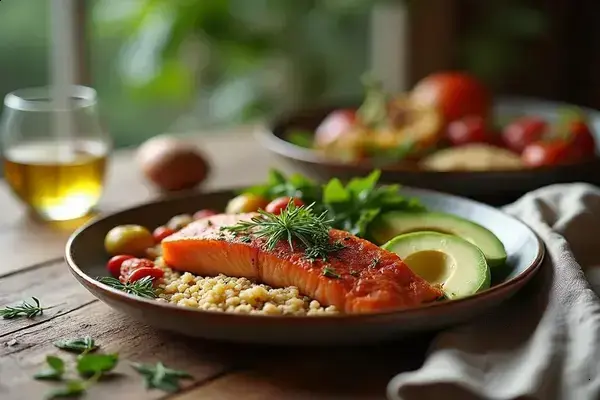
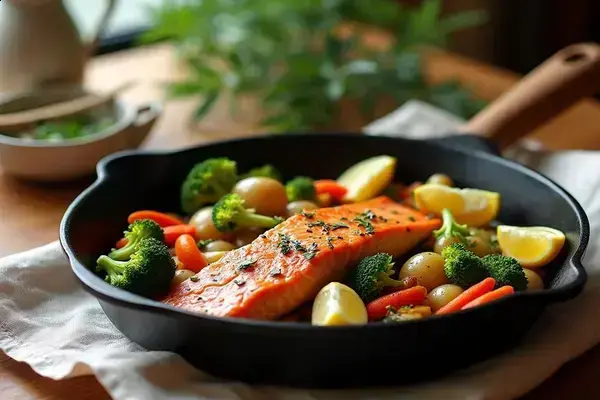
| Day 1 Dinner | Grilled salmon with roasted sweet potatoes and garlic spinach | 290 |
| Day 2 Breakfast | Plain Greek yogurt, strawberries & homemade granola (no-salt) | 120 |
| Day 2 Lunch | Avocado & black bean wrap, carrots, and citrus vinaigrette | 220 |
| Day 2 Dinner | Herbed baked chicken breast with brown rice and steamed broccoli | 320 |
| Day 3 Breakfast | Banana chia pudding with walnuts | 80 |
| Day 3 Lunch | Roasted vegetable bowl with tahini-lemon sauce | 200 |
| Day 3 Dinner | Mini turkey meatloaf (no added salt) with mashed cauliflower | 240 |
💡 Pro Tip: The National Kidney Foundation suggests using no-salt-added broths and rinsing canned beans thoroughly to reduce sodium by up to 40%. Simple habits like these keep your sodium numbers comfortable—even when you want hearty meals.
- All meals above were created using ingredients easy to find at most supermarkets.
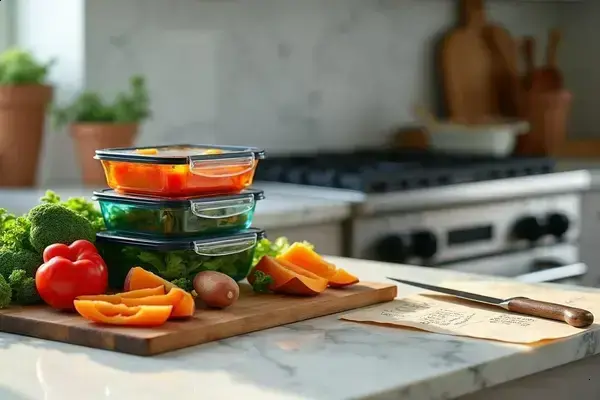
- Prep time per meal: 15–30 minutes (batch cook grains for convenience).
- You can customize vegetables and proteins to your taste—as long as you check sodium on any packaged items.
In practice: one reader, Alex, prepped the veggie quinoa salad using fresh lemon and tons of herbs, then used leftovers in wraps for lunch the next day. The sodium actually stayed below 1400mg both days, even with a snack or two.
The right habits in place now make everything easier from here.
Heart-Healthy Meals, Every Day
If you take just one thing from this guide, let it be: flavor and satisfaction are absolutely possible with low sodium meal plan recipes. You’ve learned how hidden salt creeps in, why a good pantry setup is everything, and smart swaps that boost taste without the salt.
Before, it probably felt like a mountain to eat well and keep sodium down—maybe even impossible. But now? You know what to choose, where to look, what to prep, and how to eat boldly at every meal. Step by step, those little changes add up. You can do this.
Which pantry swap or new meal will you try first for your weekly plan? Share your answer in the comments—I can’t wait to hear what inspires you!

Lauren Marie Collins is a meal planning enthusiast and nutrition writer dedicated to helping everyday people eat healthier, spend less, and actually enjoy the food they prepare. With a passion for practical meal prep systems and honest nutrition guidance, Lauren built this blog to make healthy eating feel simple, sustainable, and genuinely accessible for everyone.