Picture this: you’re standing in the grocery aisle, squinting at food labels, wondering if that cheese or those nuts will wreck your carb count. Getting started with keto isn’t as simple as swapping out bread for bacon—it can feel like trying to learn a new language while you’re starving, right?
Here’s the thing: if you just keep winging it, you’ll likely bounce between fatigue, cravings, and the frustration of a scale that refuses to budge. Friends promise results, but your kitchen looks more like a chemistry lab than a cozy lunch spot. That’s enough to zap anyone’s motivation.
By the end of this guide, you’ll finally have a practical, crystal-clear keto meal plan for beginners—not just a list of foods, but a full week of real-life meals and simple strategies you can actually stick to. Hungry for a fresh start? Let’s get started with the basics.
What Is The Keto Diet And How Does It Work?
Everyone’s heard someone talk about the keto diet — but does anyone actually know what it means, or why it works so differently from typical weight-loss plans? Here’s the thing: keto isn’t just low-carb. It flips your body’s entire fuel system on its head, and that’s what makes it so powerful (and, for some, a bit intimidating at first).
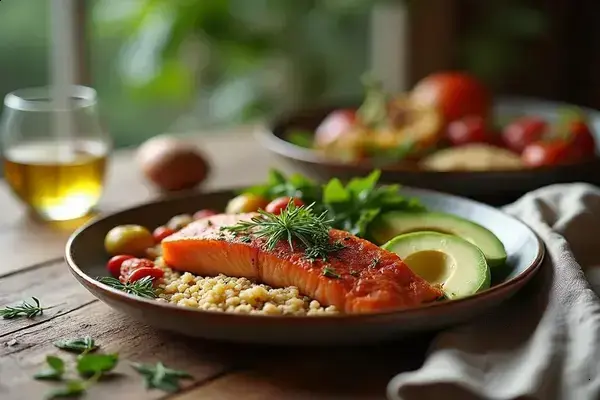
Keto stands for “ketogenic,” named after ketones — tiny energy molecules your liver produces when you dramatically cut carbohydrates. Instead of running on glucose from bread, rice, or sugar, your body burns stored fat for fuel. That’s known as “ketosis.” Most people only reach deep ketosis by eating less than 50 grams of net carbs per day (about as much as one medium bagel). The rest? Moderate protein, and a lot more fat than you probably expect — think olive oil, avocados, eggs, and salmon.
💡 Pro Tip: The Academy of Nutrition and Dietetics recommends monitoring electrolyte intake (sodium, potassium, magnesium) as your body adapts to ketosis, which can help prevent fatigue and headaches in your first week.
The Biochemistry, Simply Explained
Picture this scenario: Monday morning, someone skips toast and fruit, opting instead for eggs and avocado. By day three, that person’s liver has started pumping ketones into their bloodstream. Energy feels more even, hunger fades for hours, and — for many — mental fog starts to lift. That’s ketosis at work.
- Fat Adaptation: Over time, muscle and brain cells become more efficient at using ketones for energy.
- Blood Sugar Stability: Less carb intake means more even blood glucose and, often, fewer energy crashes.
- No Calorie Counting (at first): Because protein and fat are so filling, many keto eaters feel satisfied with less, even without tracking every bite.
But critics point out keto isn’t for everyone. According to Harvard Health Publishing, those with certain medical conditions — like liver disorders or pancreatitis — should avoid starting keto without medical clearance.
| Energy Source | Typical Diet | Keto Diet |
|---|---|---|
| Primary Fuel | Glucose (carbs) | Ketones (fat) |
| Recommended Macros | 50-65% carbs, 10-20% protein, 20-35% fat | 5-10% carbs, 20-25% protein, 70-75% fat |
| Hunger Track | Frequent between meals | Often reduced, longer satiety |
If you have a history of health conditions or take prescription medications, it’s smart to consult with a registered dietitian before making any drastic diet changes.
But there’s one detail most beginners overlook until it’s too late: how quickly your lifestyle can shift when your main fuel source changes overnight. Next, we’ll unravel the biggest mistakes newbies make — and how to spot them before they spiral.
Biggest Mistakes Beginners Make (And How To Dodge Them)
Stumbling through your first week of keto? You’re not alone — even the most motivated beginners trip over the same avoidable blunders that’ll leave you frustrated, foggy, or even ready to quit. The truth is, it’s usually not about willpower. It’s about understanding which obstacles pop up most often and how to dodge them gracefully, not just “try harder.”
- Cutting Carbs Too Fast: You dive straight from a carb-heavy routine into strict keto overnight. The result? Major energy dips, serious cravings, and something called the “keto flu.” Transitioning more gradually softens the blow.
- Forgetting Electrolytes: When carb intake drops, your kidneys flush water and vital minerals. Miss the sodium, potassium, and magnesium — and you’ll get headaches and fatigue. Adding bone broth, leafy greens, or an electrolyte supplement helps.
- Not Eating Enough Fat: Skimping on fats makes you constantly hungry. High-quality fats like extra-virgin olive oil, avocados, and grass-fed butter are your best friends here.
- Overeating Protein: Surprised? Too much protein can actually stall ketosis because your body converts the excess into glucose. Stick to moderate portions.
- Skipping Meal Prep: No plan means reaching for the wrong snacks fast. Batch-cooking meats or stocking up on pre-washed veggies saves you from impulse mistakes.
Picture this scenario: Jamie, a first-time keto dieter, skips breakfast prep and only buys bacon and eggs. By Thursday, Jamie’s energy crashes and those salty chips look irresistible. Had Jamie grabbed some nuts, leafy greens, or a bottle of electrolyte tablets, that week would’ve gone a lot smoother.
| Rookie Mistake | Why It Happens | Dodge This Way |
|---|---|---|
| No Meal Plan | Lack of prep or options | Batch cook, simple recipes |
| No Electrolytes | Not replacing lost minerals | Salt food, hydrate well |
| Hidden Carbs | Forgetting drinks/sauces add up | Read nutrition labels closely |
| Too Low Calories | Undereating fat and calories | Add avocado, oils, cheeses |
⚠️ Important Warning: According to the Cleveland Clinic, if you experience ongoing fatigue, heart palpitations, or digestive issues on keto, consult a healthcare provider to rule out underlying issues or adjust your plan safely.
What actually works might surprise you — a flexible, prepared approach trumps perfection every time. And this is exactly where most people make the most common mistake…
Essential Foods To Stock For Keto Success
You want to start keto strong, but what foods should actually fill your cart—and, more importantly, help keep those cravings in check? The answer isn’t just “lots of bacon.” Your choices on day one will drive your results, energy, and even your mood for the whole week ahead.
- Protein Staples: Eggs, skinless chicken thighs, salmon, tuna, ground beef—these are versatile, affordable, and easy to prep. They keep net carbs low while fueling your muscles.
- Healthy Fats: Avocados, extra virgin olive oil, coconut oil, grass-fed butter, and full-fat cheeses. The right fats boost satiety and help your body make the switch to burning fat for fuel.
- Low-Carb Vegetables: Think leafy greens like spinach, kale, and lettuce. Cauliflower, zucchini, and broccoli are at the top, too—loaded with key electrolytes and fiber while staying keto-friendly.
- Smart Snacks: Unsweetened nut butters, pumpkin seeds, macadamia nuts, and olives. These options kill cravings between meals and pack a nutritional punch.
- Other Keto Musts: Bone broth (rich in sodium and gelatin), unsweetened almond milk, pickles, and keto-approved condiments like mustard or hot sauce. Don’t forget kosher salt and a quality magnesium supplement!
In practice: imagine a Sunday grocery haul where you skip past cereal, swap chips for roasted nuts, and ignore the bread aisle completely. Your fridge is suddenly stocked with eggs, salmon, spinach, and ready-to-eat guacamole. Those moments when hunger hits? You reach for a cheese stick or a bowl of olives—crisis averted.
💡 Pro Tip: The Nutrition Source at the Harvard T.H. Chan School of Public Health suggests pre-washing and prepping veggies in advance—so you can grab, cook, or snack without hesitation when life gets busy.
| Category | Examples | Reason To Include |
|---|---|---|
| Protein | Eggs, Salmon, Chicken Thighs | Muscle repair, satiety |
| Fats | Avocado, Olive Oil, Butter | Ketone production, keeps you full |
| Veggies | Spinach, Zucchini, Cauliflower | Fiber, micronutrients |
| Snacks | Cheese, Nuts, Olives | Beat cravings |
But there’s one detail most shoppers completely overlook until it’s too late—timing. How and when you eat these foods can make or break your first week…
Day-By-Day Keto Meal Plan: What To Eat When
Wondering how to actually put a keto meal plan into practice—so you know what to eat, and when? A day-by-day approach gives you structure, routine, and removes the “what now?” guesswork, especially in your crucial first week.
- Start With A Sunday Prep: Take 60 minutes to portion proteins, roast veggies, and prep grab-and-go snacks like hard-boiled eggs and cheese cubes. Lay out the week’s meals on a notepad. This one habit prevents the dreaded midweek pizza panic.
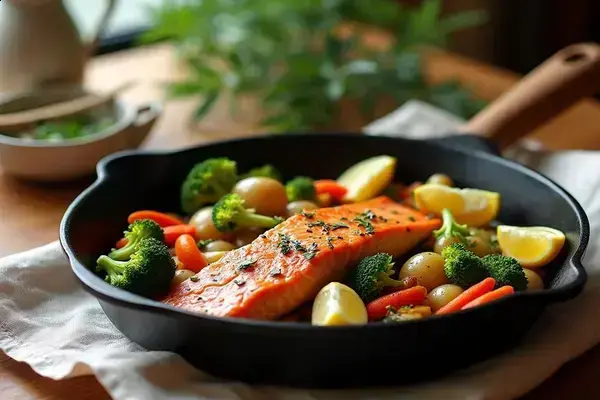
- Monday–Wednesday: Focus on simplicity. Mornings: scrambled eggs with spinach; Lunch: grilled chicken salad with avocado and olive oil; Dinner: salmon or beef with roasted zucchini. Snacks: macadamia nuts, olives.
- Thursday–Friday: Shift the main protein and rotate veggies. Breakfast: full-fat Greek yogurt (unsweetened) with walnuts; Lunch: tuna salad wrapped in lettuce leaves; Dinner: chicken thighs with cauliflower mash. Don’t be afraid to eat leftovers.
- Saturday: Try a new keto recipe—maybe a frittata or low-carb chili. It breaks monotony and keeps your taste buds excited (and compliant!).
- Hydration & Electrolytes Daily: Drink plenty of water, add a pinch of salt to meals, and consider a magnesium tablet if fatigue creeps in.
💡 Pro Tip: The Dietitians of Canada suggest tracking your meals and energy in a simple journal for the first week—the data helps spot patterns, boost accountability, and motivate you when you see small wins.
Sample Week-At-A-Glance
| Day | Breakfast | Lunch / Dinner |
|---|---|---|
| Monday | Eggs + spinach | Chicken salad / Salmon & zucchini |
| Tuesday | Omelet, cheese, tomatoes | Tuna lettuce wraps / Beef & broccoli |
| Wednesday | Greek yogurt, walnuts | Chicken thighs, greens |
| Thursday | Egg muffins, avocado | Grilled shrimp, cauli rice |
| Friday | Scrambled eggs, mushrooms | Pork chops, roasted veggies |
| Saturday | Keto frittata, spinach | Bunless burger, salad |
| Sunday | Leftovers or easy plate | Any repeat favorites |
In practice: Ashley preps chicken and greens on Sunday, clears her fridge of any lingering carby temptations, and uses a magnetic planner to map out the week’s dinners. By Thursday, she’s swapped takeout for homemade meals without overthinking.
But there’s one detail most new keto eaters miss: tracking how your body responds—and celebrating those non-scale wins. Here’s how to stay motivated, even when results feel slow…
How To Track Progress And Stay Motivated
Let’s be honest—tracking progress on keto isn’t just about the number on the scale. So how do you capture the wins that keep your motivation alive when your journey gets bumpy (and it will at times)? The right approach actually makes things easier and much more rewarding.
- Pick One Main Metric: Will it be waist size, energy level, or a performance goal? Choose the one that really matters to you for the next two weeks.
- Log Daily Meals: A simple notebook or an app like Carb Manager helps connect what you eat to how you feel.
- Record Non-Scale Victories: Notice deeper sleep, less bloating, improved focus, or fitting into old jeans? Write them down—you’ll be shocked by what you forget otherwise.
- Set Weekly Mini-Goals: Instead of aiming for “perfect keto,” make it about prepping three home-cooked dinners or avoiding sweetened drinks. Small wins keep momentum strong.
- Review And Adjust: Once a week, read your notes and tweak what’s not working. Maybe you need more magnesium, or a new snack on hand.
💡 Pro Tip: The Centers for Disease Control and Prevention (CDC) recommends combining tracking with support from a friend or group—accountability boosts your results and keeps setbacks in perspective.
Sample Tracking Table
| Day | Main Win Noted | Motivation Level (1-10) |
|---|---|---|
| Monday | Stuck to plan, felt full | 8 |
| Wednesday | No afternoon crash | 9 |
| Friday | Jeans fit again | 10 |
Picture this scenario: Jen started logging how she felt after meals on her phone. By week two, she realized her energy was up—even on days the scale didn’t budge. That little journal gave her proof she was moving forward, even when the progress felt invisible.
The right habits in place now make everything easier from here.
Your Keto Journey Starts Here
If you take just one thing from this guide, let it be: building a realistic, personalized keto meal plan for beginners makes low-carb living easier and way more enjoyable. You’ve learned what keto is (and isn’t), how to dodge early mistakes, which foods fuel real results, step-by-step strategies, and how to track progress that matters.
Before today, starting keto may have felt overwhelming or confusing. Now you have a clear road map, practical tools, and a week’s worth of confidence in the kitchen. You don’t need to be perfect—just consistent. Little actions stack up fast. You’re more capable than you think.
What’s the first keto meal you’re excited to try or prep for this week? Share your pick down below and let’s help each other out!

Lauren Marie Collins is a meal planning enthusiast and nutrition writer dedicated to helping everyday people eat healthier, spend less, and actually enjoy the food they prepare. With a passion for practical meal prep systems and honest nutrition guidance, Lauren built this blog to make healthy eating feel simple, sustainable, and genuinely accessible for everyone.