Ever found yourself staring into the fridge, wondering how to whip up dinner just for you—without ending up with way too much food or wasted money? It’s a familiar moment for anyone trying to figure out how to cook for one. The truth is, meal planning as a solo cook can feel oddly overwhelming, even though it seems like it should be easier than feeding a crowd.
There’s that nagging challenge: recipes are written for families, packages come in bulk, and leftovers start piling up until even your most creative ideas run out. And when you try winging it night after night, you often spend more, eat less healthy, and get frustrated by the monotony—or the waste. It’s not just inconvenient, it can make cooking start to feel like a chore instead of the small act of self-care it could be.
But imagine what changes when meal planning for one person cooking becomes a source of control and comfort. By the end of this guide, you’ll know how to shop, prep, and cook in a way that fits your life—so each meal feels more satisfying, and none of your effort goes to waste. Stick with me; the perfect plan for you is just a few steps away.
Why Cooking For One Feels Harder Than It Should
Why does solo cooking sometimes feel like climbing a mountain in flip-flops? You’d think that with fewer mouths to feed, everything would be easier—less mess, fewer dishes, more flexibility. But there’s a strange paradox: cooking just for yourself often ends up feeling more complicated and, honestly, more isolating than prepping for a family crowd. Tiny ingredients go stale, produce spoils, recipes are sized for four, and suddenly your trash can is fuller than your fridge.
Let’s dig into what makes this so challenging. First, supermarkets and food brands often cater to families—bulk packages, ‘family size’ deals, and produce bags designed for a week’s worth of dinners. It can be tricky to buy just what you need, so you’re left juggling odd amounts or, worse, paying more per meal for single servings. According to the Academy of Nutrition and Dietetics, wasted food is a top concern for single-person households—both environmentally and financially.
💡 Pro Tip: Shop at farmers’ markets or specialty grocery stores that let you buy produce by weight. This way, you control quantity without extra waste.
Picture this scenario: it’s Thursday night and you’re craving something fresh. You pull up a favorite food blog, but the ‘simple’ recipe calls for three eggs, a bunch of cilantro, and half a pound of ground beef. By the time you’ve halved everything (and puzzled over what to do with the leftovers), the appeal of cooking for yourself is long gone. Maybe you grab takeout instead—or, if you’re resourceful, you mix up another meal plan on the fly and hope nothing spoils by Sunday. The emotional toll? A nagging guilt over wasted food, money, and health goals falling by the wayside.
And that’s not all. Eating alone can stir up feelings of boredom or loneliness, making it tempting to skip proper meals or settle for snacks. Harvard’s School of Public Health found that regular solo eaters are more likely to skip important nutrients and less likely to experiment with new recipes. The catch: it takes real intention (and a few kitchen strategies) to make solo meals inviting instead of lonely. What actually works might surprise you…
Building A Flexible Meal Plan That Actually Suits You
Ever feel like meal plans are built for someone else’s life? Rigid calendars, prep four nights ahead, and—suddenly—you’re stuck eating salmon for three days straight even if you hate leftovers. The truth is, real life throws curveballs, and your meal plan should be flexible enough to catch them. That means adjusting for cravings, schedule changes, or simply a day when you just don’t feel like cooking.
Here’s the thing: a good solo meal plan isn’t about strict rules. It’s about giving yourself options and room to adapt. The Academy of Nutrition and Dietetics suggests approaching meal planning as a ‘framework’—think of it as the scaffolding that holds your week together, not a prison of must-eat dishes. And if you follow a specific eating regimen—like Mediterranean or plant-based—keep that as your base, then mix up proteins, grains, and veggies depending on what you’re actually hungry for.
💡 Pro Tip: Use a two-step system: plan main ingredients, but leave side dishes and extras open for mood or market finds. This keeps meals fresh without tossing your whole plan.
- Choose Your Anchors: Pick 2-3 mains you’ll want during the week (like grilled chicken, a veggie bowl, or pasta).
- Mix and Match Sides: Write down several sides that pair well—think roasted veggies, ready-to-eat salads, or microwave brown rice.
- Map Your Schedule: Plot when you’ll eat at home versus eating out. Be honest—if you know Thursday is busy, plan a no-cook meal.
- Flexible Shopping: Create your list around anchors and versatile sides, buying only what you’ll use before it spoils.
- Leave Space for Cravings: Always have pantry staples (like beans or frozen veggies) for quick swaps if you change your mind.
In practice: picture this scenario—a busy Wednesday. You planned chicken, but suddenly, you’re craving something lighter. Since you bought eggs and veggies too, a 5-minute omelet becomes dinner. Zero stress, zero waste.
| Meal Plan Style | Pros | Cons |
|---|---|---|
| Rigid (Prep Everything) | Efficient, structured, less decision fatigue | Little room for last-minute changes |
| Flexible (Framework) | Adapts to your mood, reduces waste | Requires basic cooking skills and some planning upfront |
| No Plan (Spontaneous) | Total freedom, caters to cravings | Risk of higher cost, food waste, and unhealthy choices |
But there’s one detail most solo cooks completely overlook until it’s too late…
How To Shop Smart And Waste Less Food
Ever leave the grocery store with big plans—only to toss wilted greens and sad leftovers weeks later? Shopping for one is famously tricky. It’s not about buying less; it’s about buying smarter and knowing exactly how to work with what you bring home.
The trick? Get strategic before you ever hit the store. The Environmental Protection Agency reports American households waste millions of tons of food per year, and solo cooks are among the most affected. Planning with intention means spending less, wasting less, and enjoying fresher meals. Here’s a step-by-step method you can start right now:
- Check Your Inventory: Look through your fridge and pantry. What needs to be used soon? Jot those down first.
- Plan Meals Around Versatile Ingredients: Choose 2-3 core ingredients (like spinach, chicken, or beans) that work in several recipes.
- Write a Flexible List: List only what you’ll use within a week—but leave some ‘wildcards’ for spontaneous ideas or inspiring market finds.
- Shop the Perimeter First: That’s where produce, dairy, and proteins live—fresh stuff you’ll use quickly. Grab just what you need, even if it means buying a single zucchini or two loose eggs.
- Freeze Portions Immediately: Back home, portion out foods like meat or bread into single-serve freezer bags. You’ll thank yourself in two weeks when nothing goes bad.
💡 Pro Tip: If your store sells by the pound or piece, use that! Ask the deli or butcher to cut smaller portions, and pick produce loose instead of in bags. This simple trick minimizes both cost and waste.
Picture this scenario: you spot a huge bag of spinach on sale. Instead of grabbing it all, you buy just enough for a stir-fry and omelet. Later in the week, you mix up lunch with what’s left before it spoils. Fewer regrets—plus you didn’t have to eat spinach for days just to avoid waste.
| Shopping Tip | Smart Strategy | Result |
|---|---|---|
| Buy in Bulk | Only non-perishables or freezable items | Lower unit cost, no waste |
| Shop Local Markets | Purchase produce & spices by weight | Fresher items, more control |
| Embrace Frozen Foods | Buy frozen veggies & proteins | No spoilage, smaller servings |
And this is exactly where most people make the most common mistake…
Strategies To Simplify Cooking And Make It Enjoyable
Who says solo cooking has to be tedious? The key is to bring simplicity and a sense of satisfaction into every step—so it feels less like a chore and more like a treat to yourself. You’re not just feeding your body, you’re crafting a daily ritual that can be surprisingly rewarding with the right tweaks.
First, cut down on decision fatigue. Too many choices can turn prep into a time sink. Instead, build your routine around a few kitchen “anchors”—things you love and know you’ll eat, then give yourself a little room to riff with new flavors or sides. It’s the difference between dreaded repetition and comfortable predictability.
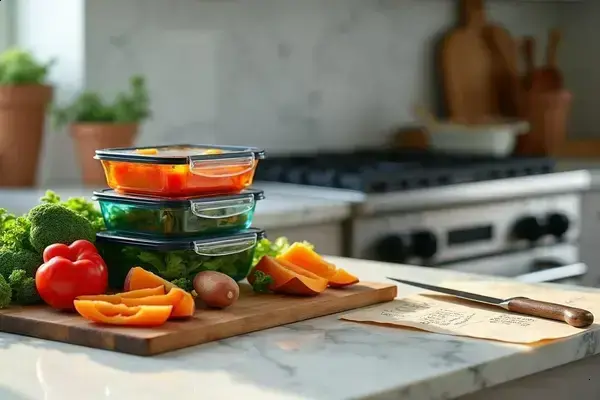
- Batch Prep: Cook basics (like rice or roasted veggies) once, then remix them in different ways throughout the week.
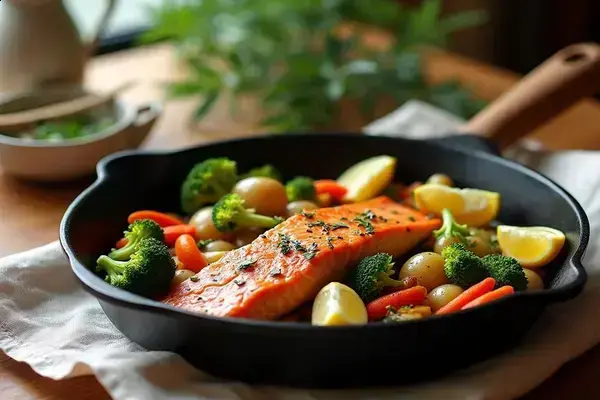
- One-Pan Recipes: Sheet pan dinners or skillet meals = fewer dishes, faster cleanup.
- Favorite Shortcuts: Use frozen chopped vegetables, pre-washed greens, or store-made sauces when you’re short on time or motivation.
- Pantry Savers: Keep staples like canned beans, pasta, nuts, and eggs on hand for fast, filling meals.
- Make It Fun: Play music or listen to a podcast while you cook—your kitchen vibe really does matter.
💡 Pro Tip: Invest in a high-quality nonstick skillet or chef’s knife. According to Consumer Reports, the right tools can speed up prep and reduce frustration in small kitchens.
In practice: imagine the clock hits 7:30 PM after a rough workday. You toss a handful of cherry tomatoes, chicken tenders, and broccoli on a sheet pan with olive oil and your favorite seasoning. Twenty minutes later, you’re done—easy, healthy, and no extra pans to scrub. Now, that’s the kind of routine you’ll stick with.
What actually works might surprise you…
Creative Ways To Reuse Leftovers Without Getting Bored
Leftovers don’t have to mean repeat meals—or sad reheats. The real secret? Transform last night’s dinner into something new that actually excites you. With a little creativity, what’s left in your fridge becomes the foundation for an entirely fresh meal you’ll look forward to (instead of dreading).
If you’re often stuck staring at yesterday’s chicken or a half-pot of rice, here are strategies that break the cycle of leftover fatigue and cut down on food waste in the process:
- Wrap It Up: Turn roasted veggies, meats, or beans into flavorful wraps or quesadillas with a tortilla and some fresh greens.
- Mash-Up Bowls: Layer grains, proteins, and any cooked veggies into a quick grain bowl—top with nuts or seeds and a punchy sauce or dressing.
- Soup Starters: Use leftover proteins and vegetables as a base for soup or stew. Add broth, spices, maybe some canned beans, and it tastes brand new.
- Baked Frittata: Dice up last night’s vegetables or meats, whisk in eggs and cheese, and bake for a quick frittata or mini egg muffins.
- Creative Toppings: Top a baked potato, salad, or even a pizza crust with reheated leftovers and whatever lends crunch and flavor from your pantry.
💡 Pro Tip: Keep a squeeze bottle of a bold sauce (sriracha mayo, chimichurri, or salsa) in your fridge. According to the Food and Nutrition Magazine, just a drizzle can instantly change a dish’s entire character and boost your odds of eating those leftovers!
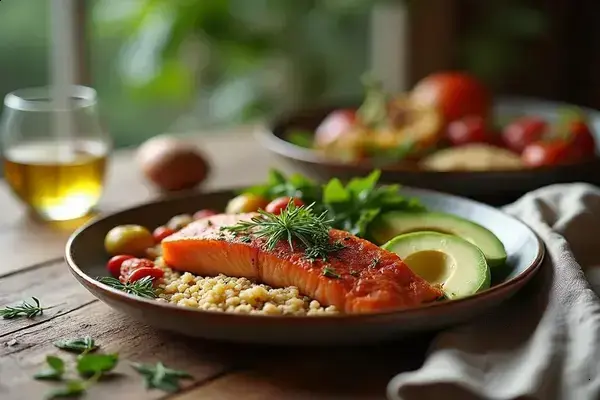
In practice: picture this scenario—you made grilled salmon and roasted broccoli Sunday. By Tuesday, that broccoli gets tossed with pasta and lemon, and the salmon becomes tomorrow’s protein-packed lunch salad.
| Leftover Base | Creative Twist | Added Flavor |
|---|---|---|
| Shredded Chicken | BBQ Chicken Flatbread | Red onion + smoked cheddar |
| Steamed Rice | Quick Fried Rice | Egg, peas, and soy sauce |
| Roasted Veggies | Veggie Omelet | Fresh herbs, feta cheese |
The right habits in place now make everything easier from here.
Your Kitchen, Your Daily Wins
If you take just one thing from this guide, let it be: meal planning for one person cooking isn’t about rigid rules—it’s about building a routine that works for you, shopping and prepping smarter, and using leftovers as creative fuel. You now know how to tailor your plan, shop for the perfect portions, and turn food waste into delicious new meals.
Remember how all this felt stressful—overwhelming, even—before you started? Now, meal prep is your tool, not a burden. You’ve got the strategies, confidence, and a bit of inspiration to make every meal count, even when it’s just for you. Small changes each week will add up, and you’ll notice the difference right away.
Which single-person meal planning strategy are you most excited to try first? Share your picks or your own best tips in the comments below!
Lauren Marie Collins is a meal planning enthusiast and nutrition writer dedicated to helping everyday people eat healthier, spend less, and actually enjoy the food they prepare. With a passion for practical meal prep systems and honest nutrition guidance, Lauren built this blog to make healthy eating feel simple, sustainable, and genuinely accessible for everyone.