Picture this: it’s 7pm, you’re exhausted, and all that’s left in your fridge is a sad container of wilted lettuce. Your plan to prep healthy meals disappeared somewhere between work calls and traffic jams—sound familiar?
Trying to lose weight without a plan is like grocery shopping hungry—you end up with things you never meant to grab, maybe even feeling frustrated or guilty after. So many of us start with good intentions but get tripped up by lack of time, boring recipes, or plain old decision fatigue.
Here’s the thing: with a few simple meal prep weight loss recipes in your arsenal, cooking healthy, delicious food ahead of time won’t just feel doable—it’ll actually be something you look forward to. Keep reading and you’ll walk away with meals that fit your goals, taste great, and just plain work in real life.
How Meal Prep Makes Weight Loss Easier
Ever wonder why most diets fall apart after a long day when your willpower is lowest? The answer isn’t just motivation—it’s preparation. Meal prep, or planning and cooking your meals in advance, transforms healthy eating from a daily battle into a near-automatic routine. When your fridge is stocked with ready-to-go meals, making nutritious choices suddenly gets a lot easier.
According to the Centers for Disease Control and Prevention (CDC), having healthy foods prepped and within reach is linked to better food decisions and sustained weight management. Decision fatigue—when your brain gets tired after a dozen daily choices—plays a bigger role than you think. If you have healthy meals prepped, you remove dozens of temptations from your path.
💡 Pro Tip: Choose one day a week—often Sunday works best—for batch cooking your core meals. This routine both saves time and helps you dodge spontaneous drive-thru temptations midweek.
Picture this scenario:
Your calendar is slammed, you’re running late, and that dreaded “What’s for dinner?” moment hits. If you haven’t prepped, you might grab something quick (and high-calorie) or end up ordering out. But with meal prep, dinner is ready in minutes—saving you stress, calories, and money.
| Benefit | Description | Why It Matters |
|---|---|---|
| Consistent Calorie Control | Meals are portioned ahead of time | Easier to stick to weight-loss goals |
| Reduced Food Waste | Plan meals using what you have | Saves money and prevents spoilage |
| Less Mealtime Stress | Meals require just reheating | Frees up mental energy for other things |
In practice: A working parent preps five low-calorie lunches on Sunday. Instead of scrambling each morning, they simply grab a container and head out—skipping the fast food line and saving $40 a week, not to mention hundreds of empty calories.
Meal prep isn’t magic, but it can feel like it when you see the results add up over weeks. And this is exactly where most people make the most common mistake—thinking planning ahead takes more time than it actually saves…
Essential Tools And Ingredients For Meal Prep Success
What makes meal prep go smoothly—besides, well, prepping the actual food? Most of the time, it’s about the tools and ingredients you have at arm’s reach. You don’t need a chef’s kitchen to win at healthy eating, but certain things truly make life easier.
- Glass meal prep containers (oven, freezer, and microwave safe—and yes, they keep food fresh longer)
- Digital food scale (for portion control, especially if you’re counting macros or calories)
- Sharp chef’s knife and cutting board (nothing slows down prep more than a dull blade)
- Nonstick sheet pans & silicone liners
- Rice cooker or multicooker (saves so much time with staples like brown rice or quinoa)
💡 Pro Tip: Batch cook proteins like chicken or turkey breast—the backbone of most low-calorie meals. Use them for salads, wraps, and bowls throughout the week. According to the Academy of Nutrition and Dietetics, lean proteins help keep you full without piling on calories.
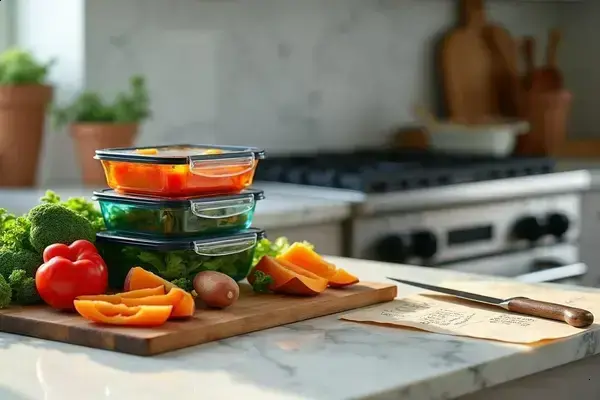
In practice: Maybe you’re prepping lunches for work. You portion stir-fried chicken, steamed broccoli, and seasoned sweet potato into five glass containers. Each morning, you grab one and you’re out the door—professionally, it feels like you’ve got personal meal delivery (minus the high cost).
Comparison of Must-Have Meal Prep Tools
| Tool | Best For | Why It Matters |
|---|---|---|
| Glass Storage Containers | Batch meals, safe reheating | Durable and keeps flavors fresh |
| Digital Food Scale | Accurate portions | Supports calorie tracking and consistency |
| Rice Cooker | Grains, set-and-forget meals | Simplifies carbs and legume prep |
Need to stock the pantry? Focus on lean proteins (chicken, turkey, eggs, tofu), whole grains (quinoa, brown rice), and colorful vegetables that roast well (bell peppers, carrots, broccoli). Choose low-calorie, high-volume ingredients to fill plates without breaking your calorie budget.
But here’s what actually works best for most people—using tools they’re already comfortable with, then leveling up with one or two new essentials once meal prep becomes routine…
Simple Low Calorie Recipes That Actually Satisfy
Do you ever feel like low calorie equals low flavor? The truth is, you can eat lighter and still enjoy meals that make you pause and say, “That’s good.” It’s all about building flavor with wholesome ingredients and smart seasonings.
- Sheet Pan Lemon Chicken & Veggies
Required: boneless chicken breast, broccoli, bell pepper, red onion, lemon, olive oil, garlic, salt, pepper. Preheat oven to 425°F. Toss veggies and chicken in oil and seasonings. Spread on a sheet pan. Roast 20-25 minutes until golden and juicy. - Chili-Lime Quinoa Bowls
Required: quinoa, canned black beans (drained), corn, cherry tomatoes, avocado, lime, chili powder, cilantro. Cook quinoa as directed. Toss with beans, corn, chopped tomatoes. Top with avocado and a squeeze of lime. - Greek Yogurt Chicken Salad
Required: shredded rotisserie chicken, non-fat Greek yogurt, celery, red grapes, Dijon mustard, salt, pepper. Mix all ingredients until creamy. Chill before serving—great in lettuce wraps. - Egg Roll in a Bowl
Required: extra-lean ground turkey, packaged coleslaw mix, soy sauce, ginger, garlic, green onion, sesame oil. Brown turkey in a large skillet. Toss in garlic/ginger, add coleslaw mix and sauces. Stir-fry 5-6 minutes. - Spicy Lentil & Veggie Soup
Required: lentils, diced tomatoes, carrots, celery, onion, paprika, cumin, vegetable broth. Simmer all ingredients in a pot for 25-30 minutes until lentils are tender.
💡 Pro Tip: Lean proteins and high-fiber veggies keep calorie count down while making you feel truly full. The Mayo Clinic recommends building meals with a balance of protein, fiber, and healthy fats for long-term satisfaction.
In practice: Imagine prepping three nights’ worth of sheet pan chicken and roasted veggie dinners on a Sunday afternoon. Your evening meals are done in advance—and you actually want to eat them because they taste so fresh, not bland or “diet-y.”
- Rely on citrus, vinegars, and spices to amp up natural flavor (without extra calories).
- Mix up textures: roasted, crunchy, creamy.
- Try switching up seasoning blends—think taco spice one week, Italian the next.
What actually works might surprise you—one tiny tweak in your prep and seasoning makes a huge difference in how ‘diet food’ really tastes…
Smart Storage And Portioning Tips
Struggling to keep your prepped meals fresh—or find yourself overeating even healthy dishes? Smart storage and portion control are where the magic happens. The right approach keeps flavors bright, textures intact, and your calories in check all week long.
- Choose the Right Containers: Invest in BPA-free glass containers with airtight lids. They’re not just safer; they’re oven, microwave, and freezer friendly.
- Label and Date Everything: Use masking tape or erasable markers. Knowing exactly when you cooked something means less waste and zero “what’s that smell?” surprises.
- Portion Before You Store: Use a digital food scale or measuring cups to portion out proteins, grains, and veggies directly into single-serve containers while the food is still hot.
- Separate Wet and Dry Ingredients: Keep sauces, dressings, or crunchy toppings separate until mealtime to prevent sogginess and maintain freshness.
- Stack by “Eat-By” Order: Place items that ought to be eaten first in front so nothing gets forgotten in the back of your fridge.
- Freeze extra portions for variety—you won’t get bored eating the same meal every day.
- Refrigerate high-protein or dairy dishes no longer than 3–4 days, according to U.S. Food & Drug Administration guidelines.
- Group snacks (like pre-cut veggies) in small containers for easy, mindful grab-and-go moments.
💡 Pro Tip: Portioning heavier foods at the bottom and lighter veggies on top keeps reheated meals tasting like new—no more limp greens.
In practice: You’re portioning chili for the week. Instead of dumping it into one giant casserole dish, you ladle individual servings into lidded containers right after cooking. Later, reheating is a breeze and you never go back for “just a little more.”
| Storage Method | Best For | Shelf Life |
|---|---|---|
| Fridge | Cooked grains, roasted veggies | 3–4 days |
| Freezer | Soups, stews, protein entrees | 2–3 months |
| Pantry (sealed) | Nuts, seeds, dry snacks | 1–2 months |
And this is exactly where most people make the most common mistake—trusting guesswork over consistent portions and smart storage…
Staying Motivated: Turning Prep Into Lasting Habit
Ever tell yourself, “This is the week I’ll finally stick with meal prep”—only to fall off track by Wednesday? Here’s the thing: willpower fades. But building tiny, enjoyable rituals around meal prepping is how it turns from a dreaded chore into a habit you actually look forward to.
- Start small: Commit to prepping just two meals for three days instead of a full week if you’re overwhelmed.
- Pair prep with pleasure: Listen to your favorite podcast, put on a playlist, or invite a friend to join you once a month.
- Celebrate consistency, not perfection: If you prepped more meals this week than last, that’s progress. Mark it on a calendar or use a habit-tracking app for extra motivation.
- Rotate recipes: New flavors prevent boredom. Try one new dish each week and reuse proven favorites.
- Visual reminders: Keep a list or photo of your main goals (health, saving money, sanity) on your fridge for those low-motivation days.
💡 Pro Tip: The National Institutes of Health highlights that habits form best when anchored to consistent cues. Linking meal prep to something routine—like Sunday evening after dinner—makes it automatic, not a drain on willpower.
In practice: Picture this scenario—after two weeks of trying to meal prep alone (and dreading it), you invite your partner to help. You laugh, chop veggies together, and even share some leftovers for lunch the next day. Not only did prep feel easier, but you’re way more likely to repeat it next time.
| Motivation Strategy | Benefit | How to Apply |
|---|---|---|
| Habit Chains | Creates routine | Pair with an existing habit |
| Buddy System | Makes it fun | Prep with a friend or family |
| Progress Tracking | Boosts confidence | Mark calendar or use an app |
Once this is in place, the rest of the routine falls into place naturally.
You Can Make Healthy Eating Easy
Meal prep for weight loss isn’t about boring food or spending hours in the kitchen. If you take just one thing from this guide, let it be: having simple, tasty meals ready to go makes healthy eating feel almost effortless. Focus on the right tools, portioning, and recipes you actually want to eat, and success follows.
Maybe you used to feel overwhelmed by grocery lists or a fridge full of random ingredients. Now, you know exactly how to plan, prep, and store meals that match your goals—without stress. Little habits turn big dreams real. You really can do this for yourself and feel good about what’s on your plate.
Which meal prep tip or recipe are you excited to try this week? Share your plans or questions in the comments below—we’re here to cheer you on!
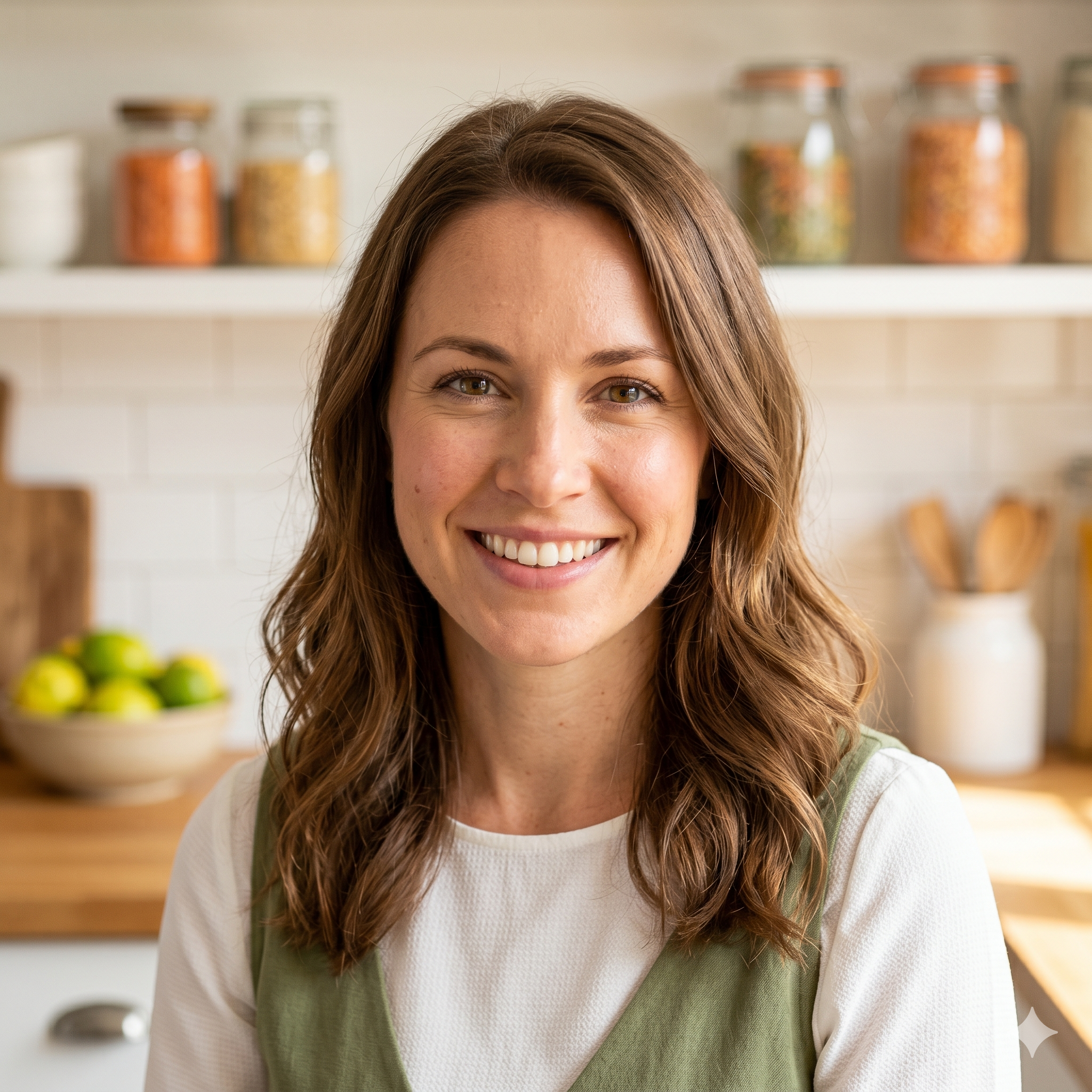
Lauren Marie Collins is a meal planning enthusiast and nutrition writer dedicated to helping everyday people eat healthier, spend less, and actually enjoy the food they prepare. With a passion for practical meal prep systems and honest nutrition guidance, Lauren built this blog to make healthy eating feel simple, sustainable, and genuinely accessible for everyone.