Picture this: you’re halfway through the week, staring into your fridge, and all those plant-based ingredients you bought with such good intentions are turning limp. Sound familiar? We’ve all been there—enthusiastic meal planning dreams quickly fizzle to yet another “just cheese on toast” night.
The real frustration? Juggling work, cravings, and questions about getting enough protein, all while dodging the bland and boring. When you’re left scrambling, it’s easy to miss out on both nutrition and joy. Turns out, improvising three times a day isn’t sustainable—or even fun.
By the time you finish reading, you’ll have a vegetarian meal plan printable free that actually works—packed with protein, taste, and zero guesswork. Ready to eat with confidence and enjoy every meal? Dive in and let’s change how you do plant-based.
Why Protein Isn’t Hard To Get On A Vegetarian Diet
Most people assume eating plant-based means you’ll be forever chasing protein — staring down endless piles of salad, wondering if a lentil can do the job of a steak. Here’s the big reveal: it’s surprisingly easy to hit your needs if you know what to look for.
Protein, in its simplest form, is built from amino acids. Some are “essential” — your body can’t make them. That’s where the myth comes in: people think only animal foods can supply the correct mix. It’s just not true when you plan smart. The Academy of Nutrition and Dietetics confirms that a well-structured vegetarian diet can more than meet all protein requirements, even for athletes or busy professionals.
💡 Pro Tip: The trick? Spread protein sources throughout your day. Include beans at lunch, Greek yogurt for a snack, and tofu at dinner for steady, complete coverage.
Plant Proteins That Punch Above Their Weight
- Lentils: 18g of protein per cup, quick to cook, perfect in stews or salad toppers.
- Chickpeas: 15g per cup, roasted for crunch or blended into hummus.
- Edamame: A whopping 17g per cup — shelled and tossed into stir-fries or eaten plain with sea salt.
- Quinoa: 8g per cup; contains all nine essential amino acids. It’s technically a seed, but nobody’s policing your pantry.
- Greek Yogurt: Not just for breakfast — one cup offers up to 20g protein and a creamy, satiating bite.
Picture this scenario: Maya, a vegetarian office worker, worried she’d be hungry soon after lunch. She swapped her basic veggie sandwich for a lentil salad with toasted pepitas and suddenly found her 3pm cravings vanished. That’s real nutrition in action.
| Protein Source | Serving Size | Protein (g) |
|---|---|---|
| Tempeh | 3 oz (85g) | 16 |
| Black Beans | 1 cup cooked | 15 |
| Cottage Cheese | 1/2 cup | 14 |
Official dietary guidelines from the USDA suggest adults aim for at least 0.8g of protein per kg of body weight daily. Vegetarians aren’t the exception — and with these foods, you won’t fall short.
But there’s one detail most new vegetarians completely overlook until it’s too late…
What A Realistic Vegetarian Meal Plan Looks Like
So what does an actual vegetarian meal plan look like when you’re not living out of Pinterest boards or prepping for hours each Sunday? You want real options—sometimes quick, sometimes a little special, but always satisfying. Here’s the truth: a good meal plan matches your life, not the other way around.
How do you blend variety, nutrition, and—let’s be honest—food you actually crave? It comes down to building blocks: breakfast that fuels, lunches with plenty of fiber, dinners that don’t leave you prowling for snacks at midnight. According to the Mayo Clinic, vegetarian diets succeed when each meal combines protein, complex carbs, and a little healthy fat.
- Breakfast: Overnight oats with chia, Greek yogurt, berries, and walnuts.
- Lunch: Roasted veggie and hummus wrap with edamame on the side.
- Dinner: Stir-fried tofu with brown rice, broccoli, and sesame oil.
- Snack: Cottage cheese with pineapple or a quick peanut butter banana.
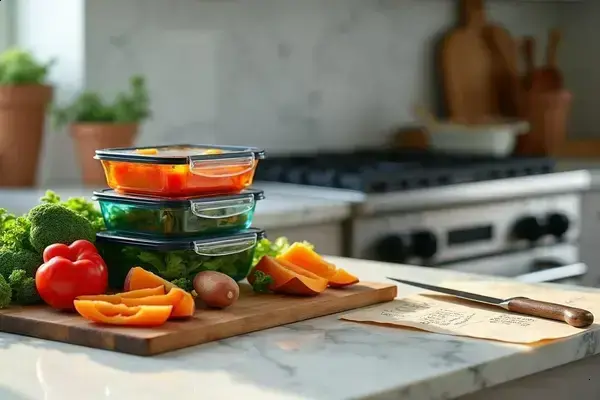
💡 Pro Tip: Batch-cook proteins—like lentils, beans, or quinoa—on Sundays, so building meals takes half the time during busy weekdays.
Sample Meal Plan Table
| Day | Lunch | Dinner |
|---|---|---|
| Monday | Lentil soup + mixed greens | Chickpea curry with brown rice |
| Tuesday | Quinoa bowl with black beans | Eggplant parmesan, arugula salad |
| Wednesday | Soba noodle salad, tofu strips | Stuffed bell peppers, sweet potato fries |
Picture this scenario: Riley, a busy teacher, prints her plan each weekend. She tapes it to the fridge—knows what’s for dinner every night—and swaps lunches on-the-fly when her schedule shifts. The sense of relief? Huge. Less time spent deciding, more time actually eating well.
But what actually works to keep things flavorful—especially when you start missing your favorites—might surprise you…
Smart Swaps: Boosting Flavor And Nutrition In Every Meal
Ever hit a moment when your vegetarian dinner feels like it’s missing…something? Maybe it’s that savory punch, or an extra creamy bite, or maybe you just want more color on the plate. Making smart swaps is how you turn a decent meal into something crave-worthy—and pack it with better nutrition, too.
Let’s break it down practically. Swapping out bland pasta for fiber-rich chickpea noodles means you’re boosting both protein and flavor. Subbing mashed avocado for mayo turns your sandwich creamy while adding heart-healthy fats. The American Heart Association highlights that these shifts help reduce saturated fat and up those essential micronutrients, without sacrificing taste or the familiar comfort you crave.
- Swap white rice for quinoa or farro—both give a nuttier flavor and more complete protein.
- Use smoked paprika or umami-rich nutritional yeast instead of just salt to bring out savory depth in soups and stews.
- Try roasted chickpeas, walnuts, or pumpkin seeds as crunchy salad toppers, instead of processed croutons.
- Blend cottage cheese into sauces for extra protein and a luscious, velvety texture.
- Roast your veggies with a brush of olive oil and a sprinkle of sumac instead of typical Italian seasoning—it’s tart, zesty, and loaded with antioxidants.
💡 Pro Tip: When you crave “cheesy” meals, sprinkle a mix of nutritional yeast and toasted sunflower seeds over pastas and casseroles—it’s shockingly close to the real deal, and vegan-friendly.
Picture this scenario: Jess, who always missed the creamy ranch of her old favorites, started blending white beans with lemon juice, herbs, and a dash of garlic. Her veggie wraps suddenly felt like an upgrade, not a compromise.
Comparison Table – Flavor & Nutrition Swaps
| Classic Choice | Smart Swap | Main Benefit |
|---|---|---|
| White pasta | Lentil or chickpea pasta | More protein, plus fiber |
| Ranch dressing | Homemade white bean dip | Lower fat, more minerals |
| Parmesan cheese | Nutritional yeast + seeds | Dairy-free, vitamin B12 boost |
And this is exactly where most people make the most common mistake: trying to copy old habits 100% instead of exploring these satisfying upgrades…
Grocery List Essentials For A Flavorful Week
Ever get to the store, list in hand—or worse, no list at all—and wonder what you’re actually supposed to buy for a week of real, satisfying vegetarian meals? The right grocery list solves that. It turns random shopping into confident, healthy eating.
- Proteins: Canned beans (black, cannellini, chickpeas), tofu, tempeh, Greek yogurt, eggs (if ovo-vegetarian), edamame.
- Whole grains: Quinoa, brown rice, whole wheat pasta, oats, sprouted grain bread.
- Flavor boosters: Lemons, fresh herbs (cilantro, parsley, basil), garlic, ginger, miso paste, coconut aminos, nutritional yeast.
- Vegetables: Bell peppers, broccoli, spinach, carrots, eggplant, cherry tomatoes, avocados.
- Healthy fats: Olive oil, tahini, walnuts, almonds, pumpkin seeds.
💡 Pro Tip: Build your list by meals, not by aisle—group ingredients for major recipes you’ll make, then fill gaps with flexible produce, grains and flavor-bombs for variety.
Grocery Essentials Table
| Category | Item | Why it Matters |
|---|---|---|
| Protein | Canned chickpeas | Fast base for salads, stews, spreads |
| Grain | Quinoa | Quick to cook, complete protein |
| Produce | Avocados | Rich, filling, healthy fats |
| Flavor | Nutritional yeast | Umami and B12 boost |
Picture this scenario: Sam, always pressed for time, started using this kind of list pinned right to his fridge door. He spends less at checkout, avoids food waste, and—best part?—never blanks on what to cook midweek. According to Harvard School of Public Health, planning your shop around a core list increases nutrient variety and long-term dietary satisfaction.
And this is exactly where most people make the most common mistake: forgetting to stock up on true flavor boosters, and ending up with bland ‘healthy’ food they can’t stick with…
Download Your Free Printable Vegetarian Meal Plan
Ever wish you could skip the endless recipe searches and last-minute meal panic? Downloading a free printable vegetarian meal plan is like having your own nutritionist whispering smart, delicious ideas in your ear—no stress, no second-guessing. Here’s how to get the most out of your ready-made plan and truly own your week.
- Print out the vegetarian meal plan template on paper or save it to your favorite device.
- Highlight any meals that appeal most to your tastes, and cross out ingredients you dislike or can’t find locally.
- Fill in your shopping list on the included worksheet—making sure you check your pantry first to avoid those duplicate buys.
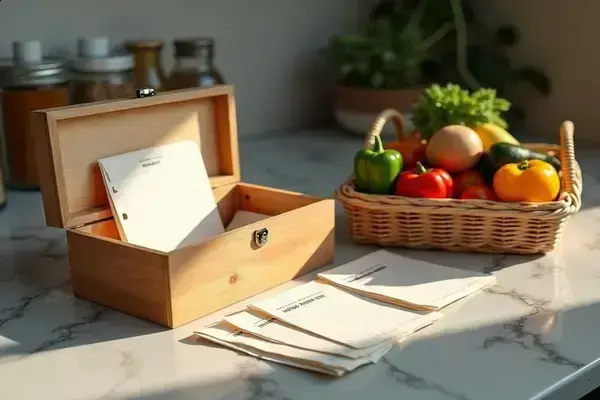
- Pin the meal plan to your fridge or keep it in your bag for quick meal reference.
- Update it each Sunday, rotating in new recipes from trusted sources or based on what’s in season at your local store.
💡 Pro Tip: Set aside 10 minutes every weekend to glance at your calendar and adjust meal choices to fit busy nights or leftovers—this tiny ritual adds up to big savings and zero guessing midweek.
Printable Features Table
| Section | Purpose | How to Use |
|---|---|---|
| Weekly Meal Grid | Visual overview of breakfast, lunch, dinner | Check off each meal after prep |
| Shopping List | Ingredient checklist | Add pantry items, mark off as you buy |
| Notes | Flexibility section | Substitute, jot quick reminders |
In practice: Monica, balancing three kids and a tight budget, prints her plan Sunday night. Shopping’s smoother. Meals get made (and eaten). Her family tries new things—no wasted produce, no stressful dinnertime. According to the CDC, meal planning is linked to better dietary quality and improved health outcomes for busy families and individuals alike.
The right habits in place now make everything easier from here.
Eating Plant-Based Feels Effortless
Here’s what matters most: it’s totally possible to feel satisfied, well-nourished, and excited to eat every day with the right tools. If you take just one thing from this vegetarian meal plan printable free guide, let it be this: variety and smart planning are the secret to never missing out on taste—or protein—when eating plant-based.
Before today, you might have wondered how to get enough protein, feared flavorless meals, or just felt overwhelmed by planning. But now your meals can be colorful, crave-worthy, and easy to organize. You know what to buy, how to swap ingredients, and where to grab a printable plan that truly works for real life. That confidence changes everything.
So which new recipe, swap, or grocery list item are you most excited to try first now? Tell us in the comments—I can’t wait to hear what you cook up next!

Lauren Marie Collins is a meal planning enthusiast and nutrition writer dedicated to helping everyday people eat healthier, spend less, and actually enjoy the food they prepare. With a passion for practical meal prep systems and honest nutrition guidance, Lauren built this blog to make healthy eating feel simple, sustainable, and genuinely accessible for everyone.