Ever wandered into the produce aisle, only to wonder if those strawberries are really at their best — or if you’re just paying top dollar for a watery disappointment? You’re definitely not alone. Shopping without a sense of seasonality can leave you with bland meals, higher grocery bills, and the nagging sense that your tomatoes taste like cardboard more than sunshine.
Here’s the thing: when you’re stuck guessing what’s actually in season, it’s easy to end up with limp lettuce, flavorless melons, or missed opportunities for real variety. Over time, that adds up — wasted money, faded excitement over healthy eating, and a kitchen routine that’s, well, kind of flat.
By the time you finish reading, you’ll know exactly when and why to reach for each fruit and veggie, month by month. You’ll have a seasonal produce calendar fruits vegetables that truly delivers fresher flavors, bigger savings, and a little spark for your next meal. Ready? Let’s dig in.
Why Seasonal Produce Matters For Flavor And Nutrition
What difference does it really make if that apple came from the other side of the world or just down the road? A lot more than you might think. Seasonal produce is picked at its peak — the perfect intersection of flavor, nutrition, and value. When you bite into a ripe, local peach in July, you’re tasting more than sweetness; you’re getting a full hit of natural nutrients that often fade with long-distance transportation and storage.
Here’s the thing: Many people don’t realize how much those extra weeks (or even months) in transport impact freshness. Vitamins like C and B can degrade rapidly once harvested, especially when produce is chilled, shipped, and stored before it ever hits your cart. The Academy of Nutrition and Dietetics confirms that food grown and sold in its proper season retains more antioxidants and phytonutrients — the good stuff your body craves.
| In Season | Out of Season | Impact |
|---|---|---|
| Picked ripe, local | Picked early, often imported | Higher nutrients and flavor |
| Short transit time | Weeks in cold storage | Lower vitamin content |
| Full aroma & texture | Mealy or dull taste | Sensory enjoyment suffers |
💡 Pro Tip: According to the USDA, shopping for fruits and vegetables within their harvest window can increase vitamin retention by 2-3 times versus out-of-season options. For maximum flavor, visit local markets or ask your grocer what’s truly in season right now.
Picture this scenario: You’re planning a summer salad and can’t decide between tomatoes and cucumbers. The local farm stand has tomatoes still warm from the sun, bursting with flavor and nutrients. The cucumbers are crisp, refreshing, and haven’t seen a shipping crate. That’s the seasonal advantage — your senses tell you what’s right, and your nutrition quietly thanks you.
But there’s one detail most shoppers completely overlook until it’s too late—what actually makes a food taste “fresh” changes with every month of the year…
How To Read A Seasonal Produce Calendar With Confidence
Ever look at a produce calendar and wonder, “So when should I actually buy those plums or leafy greens?” The truth is, the key isn’t just knowing what’s in season — it’s understanding the calendar’s signals, symbols, and the regional nuances behind every row.
- Find Your Region: Start by choosing the right zone. Most calendars break the year down by climate area: Northeast, Pacific Northwest, Midwest, South, etc. This matters — strawberries in Florida peak months before they’re sweet in Michigan.
- Decode The Symbols: Most calendars use icons or color codes. Circles, checkmarks, bold print — all can indicate peak, early, or late season. Always check the legend!
- Distinguish Between “Available” vs. “Peak”: Just because a tomato is available in March doesn’t mean it’s flavorful. Look for peak windows; that’s when flavor and price align best.
- Cross-Reference With Local Markets: Supermarkets often stock global produce all year, but farmers’ markets stick to local harvests. Use both for cross-checking freshness windows.
- Adapt For Weather Swings: Unusually hot, cold, or rainy years can shift windows by 2-3 weeks. Don’t hesitate to ask sellers or check cooperative extension sites for updates.
💡 Pro Tip: According to the USDA’s Seasonal Produce Guide, pairing a digital app (like Seasonal Food Guide) with your printed calendar gives you real-time updates by ZIP code — no more guessing games.
- Required Items:
- Any local/regional seasonal produce chart (printed or digital)
- Legend or key for symbols and zones
- Current weather forecasts or climate news
- A willingness to adjust plans
Picture this scenario: You’re planning a summer recipe and use a nationwide chart, but your microclimate gets heatwaves earlier. Your best bet isn’t blindly trusting the generic date; it’s watching your farmers’ market stalls — and asking vendors what’s truly at peak right now.
And this is exactly where most people make the most common mistake — treating every calendar as a universal truth, when seasonal timing can be hyperlocal and beautifully unpredictable…
Month-By-Month Guide: What Fruits And Vegetables To Buy
How do you know exactly what’s at peak in any given month? Navigating the year’s bounty can feel overwhelming—unless you use a month-by-month guide that highlights when each fruit or veggie shines. The best calendars blend regional data and expert guidance, making your seasonal transitions smooth and rewarding.
| Month | Fruits at Peak | Vegetables at Peak |
|---|---|---|
| January | Citrus, kiwi, pears | Kale, brussels sprouts, leeks |
| April | Strawberries, apricots | Asparagus, radishes, peas |
| July | Blueberries, peaches, plums | Corn, zucchini, eggplant |
| October | Apples, grapes, cranberries | Pumpkin, broccoli, sweet potato |
Of course, every climate zone adds its twist. In the Northeast, apples run late August to November, while in California you may see cherries arrive a month earlier. Consult your regional calendar—and trust your senses at the market.
💡 Pro Tip: Based on data from the Center for Urban Education about Sustainable Agriculture, try buying produce with the fewest “food miles.” Locally grown fruits and vegetables keep their crisp texture longer and reduce spoilage, saving you money in the long run.
- January – March: Lean into hearty greens, sweet citrus, and root vegetables for comfort dishes.
- April – June: Refresh with the first berries, tender greens, and snap peas—the true signs of spring.
- July – September: Embrace summer’s bounty: tomatoes, peaches, melons, corn. Perfect for grilling or fresh eating.
- October – December: Apples, pears, sweet potatoes, and hard squashes bring warmth to autumn meals.
In practice: Imagine prepping a picnic and pulling out peaches, tomatoes, and sweet corn—all grown within fifty miles, picked this week. Their flavor blows away anything shipped from far off, and your guests notice the difference. True seasonal shopping feels like a secret advantage that only the most dialed-in cooks know.
But what actually works when you get all that fresh produce home? Handling, storing, and using it without any waste takes a whole different set of tips…
Tips For Storing And Using Fresh Seasonal Produce
Have you ever filled your basket with gorgeous, in-season produce—only to watch it wilt or spoil before you actually use it? It’s a classic frustration. But with a few strategic moves, you can stretch both the freshness and nutrition of your finds, reducing waste and saving money at the same time.
- Sort as Soon as You Get Home: Separate delicate items (like berries, greens) from hardier produce. Don’t wash soft fruits until right before eating—they last longer dry.
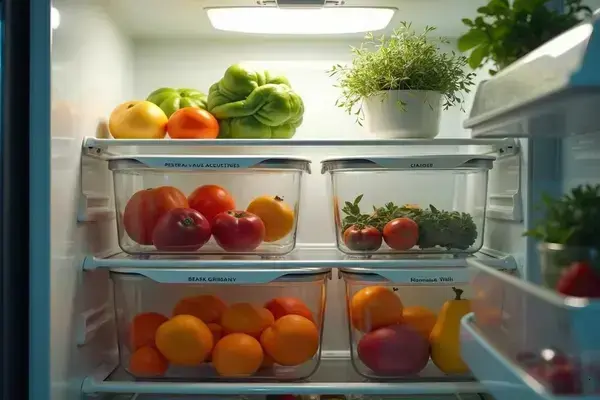
- Know Your Storage Zones: Store leafy greens in the coldest part of your fridge, in breathable bags. Keep tomatoes and stone fruits on the counter until fully ripe—then refrigerate to slow spoilage.
- Avoid Ethylene Mix-Ups: Some produce like apples and bananas emit ethylene gas, which can speed ripening (and spoilage) for tender veggies. Store these separately for better shelf life.
- Prep High-Risk Items First: Chop and use berries, avocados, and leafy herbs within a few days. Roast or freeze extras to prevent loss.
- Get Creative With Leftovers: Overripe produce is perfect for smoothies, soups, sauces, or baking. Nothing has to go to waste if you pivot quickly.
💡 Pro Tip: According to the University of California Agriculture and Natural Resources, wrapping herbs loosely in a damp paper towel, then storing them in a lidded container, keeps them fresh up to a week longer.
- Airtight containers
- Breathable produce bags
- Sharp knife and cutting board
- Clean dish towel or paper towels
- Freezer-safe bags or jars
In practice: Picture this scenario—your fridge is packed after a big farmers’ market trip. Instead of tossing things in mindlessly, you set aside soft veggies to cook that evening, move ripe fruit to an easy-grab bowl, and prep ingredients for later meals. By Sunday, nearly everything’s used, and the food budget stretches further than expected.
But what actually saves you money and supports the community even more? Understanding the economic and local impact of your seasonal shopping choices…
How Seasonal Shopping Can Save You Money And Support Local Farmers
Why do seasonal fruits and vegetables seem to cost less, even when they’re fresher and tastier? Here’s the thing: when you buy in-season produce, you’re naturally taking advantage of supply peaks—meaning local markets and grocery stores have an abundance, driving prices down and quality up.
| Shopping Method | Cost | Local Impact |
|---|---|---|
| In-season, local market | Lowest | Direct farmer support |
| Off-season, large supermarket | Highest | Often imported |
| Organic CSA subscription | Moderate | Steady local income |
The truth is, by choosing locally grown food from farmers’ markets, community-supported agriculture (CSA) boxes, or harvest subscription services, you’re putting money right back into your community. According to the National Sustainable Agriculture Coalition, local farmers receive a much higher portion of every dollar when you purchase directly—unlike imported products, which pass through more hands and collectors.
💡 Pro Tip: Plan meals around what’s affordable at the market this week instead of shopping from a fixed grocery list. Not only will you save, but you’ll discover new flavors and recipes you never would have tried otherwise.
- Fewer transport costs reduce prices for everyone
- Buying direct boosts farmers’ bottom line
- It strengthens your area’s food security
In practice: Picture this scenario—one family shifts to buying most produce from a Saturday farmers’ market, spending 20% less each week than at chain groceries. They chat with growers about what’s best that day, discover “seconds” sold at a deep discount, and even learn tips for storing or cooking what’s fresh. Not only does their dollar go further, but every purchase supports neighbors instead of distant conglomerates.
The right habits in place now make everything easier from here. Small, consistent choices each season can create a ripple—economic, delicious, and community-minded—that lasts all year long.
Your Season, Your Table, Your Choice
If you take just one thing from this seasonal produce calendar fruits vegetables guide, let it be this: eating in tune with the seasons transforms flavor, nutrition, and your kitchen budget. Choosing what’s in season means fresher meals, smarter shopping, and real support for local farmers—all with less waste and more joy at mealtime.
Think back to that confusion in the produce aisle. Now, you know when to buy, how to store, and what to cook for every month of the year. It’s not just about saving money—it’s about feeling in control and a little more connected to what lands on your plate. You’re ready to shop with purpose and savor the difference.
Do you have a favorite fruit or veggie that just tastes better in season? Or maybe a tip for storing produce you swear by? Share with us in the comments—let’s build a fresher table, together!

Lauren Marie Collins is a meal planning enthusiast and nutrition writer dedicated to helping everyday people eat healthier, spend less, and actually enjoy the food they prepare. With a passion for practical meal prep systems and honest nutrition guidance, Lauren built this blog to make healthy eating feel simple, sustainable, and genuinely accessible for everyone.