Ever looked down at your plate and thought, “Is this really how much I should be eating?” If you’ve felt unsure staring at a random scoop of rice or chunk of chicken, you’re not alone — most people misjudge portion sizes all the time.
Here’s the thing: without clear visual cues, it’s so easy to keep piling on food and accidentally eat way more than you need. Over time, those innocent mistakes add up, making healthy habits harder to stick to (and, let’s be honest, nobody wants that sneaky weight creep).
By the end of this guide, you’ll have a visual playbook for putting the right serving size on your plate every time. No more confusion or second-guessing — portion control serving size guide tricks will be part of your everyday routine. Ready to see how simple it can feel?
Why Guessing Portions Throws Off Your Health Goals
You probably try to eat healthy, but when you serve yourself, how confident are you about the amount on your plate? Guessing your portion size feels easy for a quick meal—but there’s a catch. Research from the CDC shows most people underestimate portions by 20–50%, especially with foods like pasta, rice, and calorie-dense snacks. Ouch.
Why is this such a big problem? Every time you eyeball a serving, small errors snowball over days and weeks. That extra “just a spoonful” of peanut butter or cereal? It can mean hundreds of unplanned calories, stalling your progress no matter how hard you’re working.
The Real Impact of Guessing
Picture this scenario: you’re packing a ‘healthy’ lunch—grilled chicken, brown rice, some avocado. Feels smart, right? But if your ‘half-cup’ of rice is actually a cup, you’ve doubled the carbs. Small slips like these cause big setbacks, especially if you have specific goals around fat loss, fitness, or managing blood sugar.
💡 Pro Tip: According to the Academy of Nutrition and Dietetics, investing in a simple digital food scale for a week teaches your eye how real serving sizes look. After that, you’ll rarely need to weigh foods—you’ll just know.
- Calorie Creep: Guessing adds hundreds of “invisible” calories, preventing weight loss or causing gradual gain.
- Nutrition Imbalance: It’s easy to overserve carbs and fats while underserving vegetables and protein.
- Plateau Frustration: When progress stalls, you blame metabolism… when it’s actually the serving spoon.
| Common Food | Guessed Portion | Actual Portion (USDA) |
|---|---|---|
| Peanut Butter | 2 heaping tbsp (~48g) | 2 level tbsp (32g) |
| Pasta (cooked) | 1 full bowl (~2 cups) | 1 cup (140g) |
| Chicken Breast | Large palm (~7 oz) | 3 oz (about a deck of cards) |
In practice: I used to think my daily yogurt and nut ‘snack’ was a weight-loss win—until I measured it. Turns out, I was eating twice the recommended amount. Once I adjusted, the scale finally started to move again.
But here’s the twist: most people never realize their healthy habits are undermined by hidden surplus. What actually works might surprise you…
How Everyday Objects Help You See Serving Sizes
Ever wondered how you’re actually supposed to tell what “one serving” looks like in real life? Here’s the truth: most people aren’t going to break out a scale or fancy measuring cups for every meal. The good news? Everyday objects make portion control much easier.
Nutritionists love the “visual method.” Why? Because it translates nutrition labels and official guidelines (like those from the USDA and American Heart Association) into quick comparisons you can actually remember. Forget guessing—these handy references are universal, portable, and cost nothing.
- Deck of Cards: That’s your visual twin for a 3-ounce serving of meat or poultry.
- Baseball: Think one baseball = one cup. Great for cooked rice, pasta, or diced fruits.
- Golf Ball: A golf ball is about two tablespoons, perfect for measuring peanut butter or salad dressing.
- Dice: Two dice mirror a standard serving of cheese—about one ounce.
- Your Fist: Closed, it’s roughly one cup. Good for veggies, cereal, or leafy salad mix.
💡 Pro Tip: Always keep one of these objects in mind when serving yourself—over time, you’ll train your brain to “see” the right amount without thinking.
Picture this scenario: You’re at a summer picnic, there aren’t any measuring tools in sight and the buffet is calling your name. Instead of worrying, you use your palm to eyeball a protein portion and scoop veggies equal to your fist size. That’s social eating made stress-free—and guilt-free, too.
| Food Type | Everyday Object | Official Serving Size |
|---|---|---|
| Red Meat/Chicken | Deck of cards | 3 oz |
| Pasta/Rice | Baseball | 1 cup |
| Nut Butter | Golf ball | 2 tbsp |
| Cheese | Pair of dice | 1 oz |
| Vegetables | Your fist | 1 cup |
According to the Academy of Nutrition and Dietetics, using these visual cues keeps portion sizes more consistent—even when eating out or at family gatherings. With a little practice, you’ll never need to second-guess “what does a half-cup look like?” again.
And this is exactly where most people make the most common mistake…
Visual Cues For Popular Food Groups
It sounds simple, but what does a “serving” of your favorite foods actually look like in the real world? It’s easy to get lost in vague measures—half a cup, three ounces, one ounce—when you’re hungry and in a hurry. The truth is, each food group has visual cues that make portion control quick and nearly effortless once you get the hang of it.
- Proteins: For foods like chicken, beef, tofu, and fish, picture a deck of cards or the palm of your hand (excluding fingers). That’s about 3–4 ounces—your standard serving size according to the USDA.
- Starches and grains: A single serving of cooked rice, pasta, or quinoa should fit into a clenched fist or look like a tennis ball—roughly 1/2 to 1 cup by most dietary guidelines.
- Non-starchy vegetables: Fill half your plate with these, but if you need a point of reference, a serving is about the size of your closed fist—perfect for leafy greens, carrots, or peppers.
- Dairy and cheese: Think of two dice for cheese (1 ounce), and a tennis ball for yogurt or cottage cheese (1/2 cup).
- Healthy fats: For peanut butter, salad dressing, or oils, use the tip of your thumb—or a poker chip—as a stand-in for one tablespoon.
💡 Pro Tip: When eating out, split oversized portions in half as soon as meals arrive—most restaurant servings double what’s recommended. The American Heart Association says restaurant dishes typically exceed home portions by 2x or more.
Picture this scenario: You’re setting up breakfast and want to be accurate—one egg (the size of a large egg in its shell), a cup of berries (the same as a baseball), and a slice of whole grain bread (about the size of a CD case). Instead of second-guessing, these cues let you build your meal in seconds, no gadgets needed.
| Food Group | Visual Cue | Standard Serving |
|---|---|---|
| Chicken Breast | Deck of cards | 3–4 oz |
| Pasta (cooked) | Tennis ball | 1 cup |
| Leafy Greens | Your fist | 1 cup |
| Cheese | Two dice | 1 oz |
| Peanut Butter | Thumb tip | 1 tbsp |
According to the Academy of Nutrition and Dietetics, visual models improve portion estimation accuracy over time. You’ll enjoy your favorites and still eat the right amount, every time. But there’s one detail most owners completely overlook until it’s too late…
Mistakes People Make (And How To Fix Them)
Ever notice how “just a little extra” becomes a habit with snacks or dinner? Most people trying to eat mindfully still fall into the old trap of consistent portion mistakes—it’s often not lack of willpower, but small oversights that add up day after day. So what goes wrong, and what can you do differently (without feeling punished at the table)?
- Portion Distortion: Modern dishware is larger than ever. Using big plates and bowls? It’s almost guaranteed you’ll serve—and eat—more than the recommended amount.
- Mindless Refills: Eating straight from the bag or putting serving bowls on the dinner table means extra scoops happen without thinking.
- Unmeasured Spreads & Oils: Butter, dressing, nut butters—spread right from the jar and they add up, unnoticed.
- Ignoring Hidden Calories: Sauces, condiments, and even “healthy” extras like dried fruit can double the calorie count of a meal without warning.
How to Fix the Most Common Portion Pitfalls
- Downsize Your Plates: Switch to 9-inch plates or smaller bowls. Research from the American Journal of Preventive Medicine shows people eat significantly less with this small change alone.
- Pre-Portion Snacks: Divide chips, nuts, or trail mix into single-serving containers right after shopping—it blocks mindless munching later.
- Serve From the Stove, Not the Table: When food stays in the kitchen, you’re less tempted to go back for seconds without thinking.
- Measure High-Calorie Extras: Keep a tablespoon handy for dressings and spreads, at least until your eye can judge quantities accurately.
- Spot Hidden Calories: Ask yourself before eating: “Is there added oil, butter, or sauce here that needs to be counted?”
⚠️ Important Warning: If you have specific medical or dietary needs—like diabetes or food allergies—always consult a registered dietitian or your healthcare provider for tailored portion guidance. The USDA and Academy of Nutrition and Dietetics both recommend professional advice for customized plans.
In practice: Imagine your usual spaghetti night. Instead of filling your whole plate, try serving a portion the size of a baseball. Add sauce sparingly, measure the cheese, and notice how satisfied you feel—no sacrifice required, just mindful eating. But what actually works might surprise you…
Smart Strategies To Remember Your Perfect Portion
How do you make portion control feel effortless—especially when life gets busy and you’re tempted to just “eyeball it”? The secret isn’t superhero self-control. It’s having a handful of practical, proven strategies that lock portion sizes into your muscle memory, so you can eat well without second-guessing.
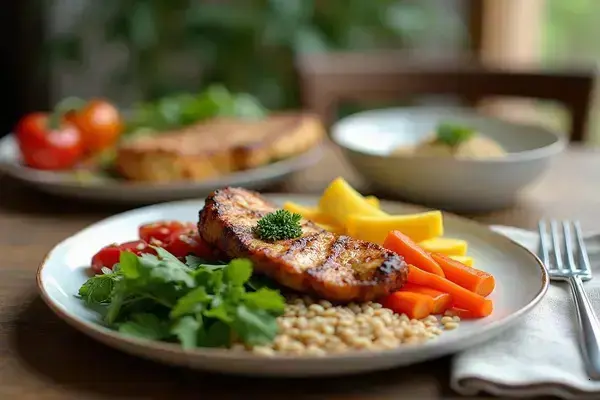
- Use a Standard Plate Method: Divide your plate before you serve: half for vegetables, a quarter for protein, a quarter for starches. It’s visual, fast, and trusted by the Centers for Disease Control and Prevention (CDC).
- Designate ‘Home Reference’ Bowls and Spoons: Pick one small bowl or cup and one serving spoon—measure them once, then always use them for cereal, rice, or snacks. You’ll never forget the right amount.
- Label Your Pantry and Containers: Place stickers or markers showing typical portion sizes on popular foods—like almonds, granola, or pasta. This cue interrupts “auto-pouring” and snaps you back to awareness.
- Pre-Pack Lunches and Snacks: When you portion in advance, you control the outcome. Choose reusable single-serve containers to keep things easy and cost-effective.
- Pair Portions with a Routine: Always serve yourself before you’re too hungry. Rushed, ravenous choices are the enemy of good habits.
💡 Pro Tip: Take a photo of your ideal meal setup or a reference portion with your phone—glance at it before eating until it becomes second nature. This trick, recommended by the National Institutes of Health, boosts visual memory way beyond numbers alone.
Picture this scenario: You’ve just finished a stressful work call and dinner’s late. Instead of scooping pasta mindlessly, you use your “pasta bowl” (measured in advance) and check your labeled nut container for a snack. There’s zero guilt, zero tracking apps—just healthy, repeatable habits.
- Try using brightly colored plates to make portions stand out.
- If you eat out, ask for a to-go box up front and portion half your meal away.
- Keep your “portion toolkit” handy—measured bowls, reference photos, and grab-and-go containers all help.
Small steps, repeated consistently, make the biggest difference over time.
Your Portions, Your Health—In Control
If you take just one thing from this portion control serving size guide, let it be this: seeing portions with everyday visual cues beats guessing every single time. Consistent portions, practical strategies, and a few mindful tweaks can turn confusion at mealtime into confidence.
Before, serving sizes were a mystery—easy to misjudge, easy to underestimate. Now, you know how to spot the right amount on your plate, avoid common mistakes, and build habits that truly stick. It’s not about restriction—it’s about eating with purpose and control. You’ve got the tools to make eating simpler and healthier, for good.
Which visual or strategy are you excited to try first at your next meal? Share with us in the comments below—let’s learn from each other!
Lauren Marie Collins is a meal planning enthusiast and nutrition writer dedicated to helping everyday people eat healthier, spend less, and actually enjoy the food they prepare. With a passion for practical meal prep systems and honest nutrition guidance, Lauren built this blog to make healthy eating feel simple, sustainable, and genuinely accessible for everyone.