Ever find yourself staring into the fridge at 7 p.m., wishing dinner could just magically appear? We’ve all been there—hungry, tired, and minutes away from reaching for takeout. That’s where a solid Sunday meal prep routine can change everything.
When you skip meal prep, you pay the price in stress, extra spending, and nutrition that rarely hits the mark. Half the battle is simply not knowing what you’ll eat next, which leads to more last-minute choices or unhealthy snacks that sneak in more often than you’d like.
By the end of this guide, you’ll know exactly how to build a meal prep Sunday routine that sets you up for a whole week of easy, healthy eating. The difference you’ll feel—not just in your schedule but in your energy—might just surprise you. Ready to see how effortless your week can be?
Why Sunday Is The Best Day For Meal Prep
Ever wondered why so many seasoned meal-preppers swear by Sunday as their go-to day? It’s not just habit—there’s strategy behind this choice. The truth is: the day you carve out for prepping impacts your entire week’s rhythm, from stress levels to grocery budgeting and even nutritional consistency.
Sunday brings a unique advantage. For most, it’s a slower-paced day, free from the usual weekday chaos. That breathing room means you can approach your kitchen with a clear head (and maybe some music in the background), making thoughtful choices instead of frantically grabbing whatever’s handy on Tuesday night. And honestly? That makes sticking to healthy habits much, much easier.
- Freshest groceries: Most supermarkets restock over the weekend—Sunday shoppers get first pick of produce, meats, and pantry staples.
- Prepping sets the tone: When you invest a couple of focused hours, you’re not just filling containers—you’re setting up routines, portion control, and nutrition for the entire week.
- Saves real money: Meal prepping on Sunday helps you plan around grocery circulars and sales that reset weekly, according to the USDA’s Economic Research Service.
💡 Pro Tip: Start meal prep after a mid-morning grocery run—produce is at its peak, and you’re less likely to face out-of-stock frustrations common on Saturday evenings.
In practice: Picture this scenario—a parent with a tight work schedule spends Sunday afternoon prepping grilled chicken, roasted veggies, and overnight oats for five days. Midweek, instead of ordering pricey takeout during a late meeting, she’s got balanced, homemade options ready to grab. This isn’t luck—it’s Sunday planning paying off.
| Day | Meal Prep Score | Why It Works (or Fails) |
|---|---|---|
| Sunday | 9/10 | Less rush, more fresh food, best grocery selection, sustained motivation |
| Monday | 6/10 | Limited time, beginning-of-week fatigue, less grocery availability |
| Friday | 3/10 | Low energy after week’s demands, depleted pantry, limited shelf life through weekend |
The Academy of Nutrition and Dietetics actually recommends aligning your prep with your busiest schedules and most reliable grocery days—which, for most people in the US, is Sunday. Miss this window, and your meal prep success rate drops fast.
But there’s one detail most home cooks completely overlook until it’s too late…
Essential Tools And Ingredients To Gather First
If you’ve ever started meal prep only to stop halfway because you were missing a tool or an ingredient, you know the frustration. So, what’s truly essential for a smooth meal prep Sunday—not just the trendy gadgets, but the real workhorses?
- Kitchen Essentials: A solid chef’s knife, sturdy cutting board, reliable measuring cups/spoons, large mixing bowls, and a set of glass or BPA-free plastic containers with tight-fitting lids. If you want to level up, consider a food scale (for portioning) and a good nonstick skillet.
- Bulk Ingredients: Think whole grains (brown rice, quinoa), affordable proteins (chicken breasts, tofu, eggs), seasonal produce, and pantry staples—olive oil, spices, canned beans. Picking these ahead avoids the mid-cook grocery dash.
💡 Pro Tip: Lay every tool and main ingredient on your counter before you wash a single veggie. According to the Food Safety and Inspection Service, prepping a clean, organized work station reduces cross-contamination and saves time in the long run.
In practice: Imagine a Sunday morning—someone lines up their containers, opens a fresh bag of jasmine rice, and double-checks that every spice jar needed for the week’s recipes is actually full. Fifteen minutes of setup now can save nearly an hour of scrambling later.
Comparison of Popular Prep Tools
| Tool | Best Use | Expert Tip |
|---|---|---|
| Chef’s Knife | Chopping vegetables & meats | Keep it sharp—faster, safer, more precise |
| Food Processor | Slicing, grating, bulk meal prep | Use for quick slaws or hummus batches |
| Sheet Pan | Oven-roasting everything at once | Line with parchment for easy cleanup |
The Academy of Nutrition and Dietetics recommends prepping ingredients in bulk using these core tools for efficiency and food safety. And if any recipe or ingredient sounds unfamiliar, check with a registered dietitian before making big dietary changes—especially if you have medical concerns.
What actually works might surprise you…
Step-By-Step Guide To Prepping A Week Of Meals
Ever stare at your groceries and wonder, “Where do I even begin?” That moment of overwhelm is so common—especially if you want your meal prep to last all week. Here’s the thing: the most successful meal preppers don’t wing it. They trust a framework that keeps things stress-free and productive.
- What you’ll need:
- Fresh ingredients (proteins, grains, produce)
- Your favorite spices, healthy oils
- Prepped containers (lids ready, BPA-free if plastic)
- Labeling materials (tape, marker)
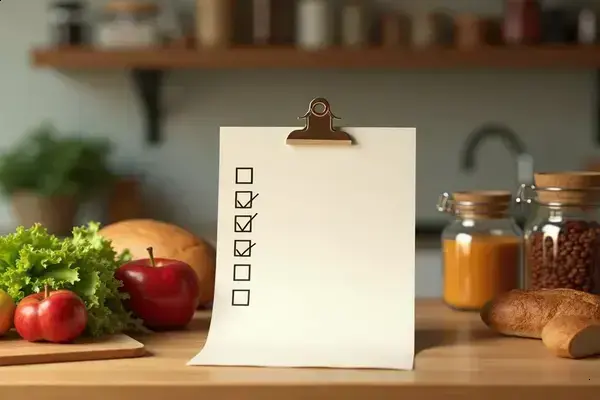
- Plan Your Menu: Pick 3–4 main recipes to rotate and write down a quick grocery list. Focus on meals that keep well, like chili, stir-fry, or grain bowls.
- Shop Efficiently: Start in the produce aisle, then move to proteins and pantry staples. Grab everything you need in one trip—no return runs allowed.
- Batch Cook Proteins and Grains: Cook your main proteins (chicken, tofu, lentils) and chosen grains (rice, quinoa) first since they take the longest. Use large pans or your slow cooker for bulk efficiency.
- Chop and Roast Veggies: Preheat your oven and roast multiple trays of vegetables at once. Chopping everything at once saves serious time.
- Assemble and Portion: Divide proteins, grains, and veggies into meal containers. Custom-build bowls for lunches; stack portions for dinners. This step is where your future self thanks you.
- Label and Store Safely: Clearly mark dates and contents on every container. Let food cool before sealing to prevent condensation and sogginess.
💡 Pro Tip: For best freshness, store salads and sauces separately in mini containers. According to the Academy of Nutrition and Dietetics, this prevents wilting and preserves flavor for up to five days.
In practice: Picture this scenario—Sunday afternoon, mixing bowls and pans everywhere, but by sundown, there’s a colorful stack of meals lined up in your fridge. Not only does it look impressive, but you’ll also skip late-night drive-thrus (and the credit card regrets) all week.
And this is exactly where most people make the most common mistake…
Smart Storage Strategies To Keep Food Fresh
Ever felt disappointed by soggy salad or day-old chicken that just tastes… off? Here’s the thing: meal prep isn’t magic—your food only lasts as long as your storage game is strong. Start with the right strategy and you’ll enjoy every bite, not just the first day.
- Choose the right container: Glass holds up best for flavor and is microwave-safe; BPA-free plastic wins for lighter carry and freezer options.
- Let it cool first: Never seal hot food. Steam trapped inside creates moisture that speeds up spoilage and ruins texture.
- Store sauces & dressings separately: That way, greens won’t wilt and grains stay fluffy all week.
- Label smart: Date and identify everything—future you will thank you when you’re half-asleep grabbing lunch on Thursday morning.
💡 Pro Tip: Arrange newer meals at the back and use a “first in, first out” approach. According to the U.S. Department of Agriculture (USDA), this simple move reduces waste and maximizes food safety for weekly meal preppers.
Container Comparison Table
| Type | Best For | Downside |
|---|---|---|
| Glass | Flavor, reheating, longevity | Heavy, can break |
| BPA-Free Plastic | Freezer meals, on-the-go | Stains, shorter life |
| Silicone Bags | Soups, snacks, compact storage | More expensive per bag |
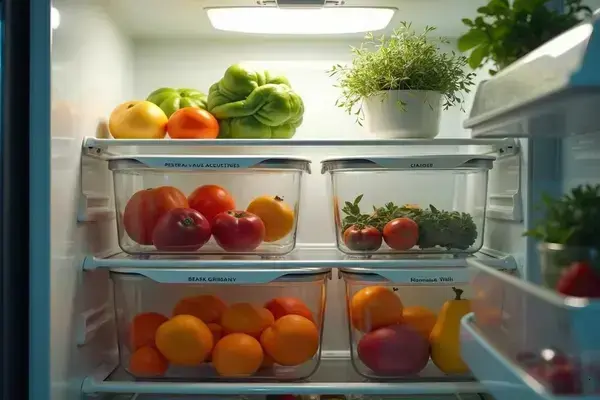
In practice: Picture this scenario—a neatly labeled stack of glass and silicone containers fills your fridge. One holds stir-fried veggies, another has quinoa, a third houses spicy black beans. The sauces and dressings? Tucked in leak-proof minis. Even on Friday, every meal tastes as good as Monday’s.
And this is exactly where most people make the most common mistake…
Quick-Fix Recipes For Busy Weeknights
Ever get home on a Wednesday night and realize you need dinner ready in ten minutes—or you’ll end up ordering out? Here’s the truth: even with meal prep, life throws curveballs. Having a trusted lineup of quick-fix recipes means you’re never stuck, no matter how your schedule shifts.
- 10-Minute Veggie Stir-Fry: Grab precut veggies and tofu (or pre-cooked chicken). Throw into a skillet with sesame oil, garlic powder, and soy sauce. Serve over that big batch of rice you prepped on Sunday. Dinner—done.
- Easy Egg Fried Rice: Toss leftover rice with an egg, frozen peas, a splash of soy sauce, and a handful of scallions. Stir until heated through. Protein, carbs, veggies—all in one bowl.
- Sheet Pan Salmon & Broccoli: Lay salmon fillets and fresh or frozen broccoli on a baking tray. Drizzle with olive oil, salt, and pepper. Bake at 400°F for 15 minutes—zero flipping required.
💡 Pro Tip: Keep a couple of zero-prep pantry staples (canned beans, jarred salsa, frozen corn) on hand. According to the Cleveland Clinic, these are lifesavers for assembling meals in minutes without sacrificing nutrition or flavor.
Quick-Recipe Feature Table
| Recipe | Prep Time | Main Benefit |
|---|---|---|
| Veggie Stir-Fry | 10 min | Fast, flexible, plant-based |
| Egg Fried Rice | 8 min | Uses up leftovers, balanced |
| Sheet Pan Salmon | 15 min | Hands-off, high-protein |
In practice: Picture this scenario—it’s 7:35 p.m., you’re running on fumes but you open your fridge and see a stack of containers, grains, and veggies. You improvise: stir-fry in one pan, egg rice in another, and salmon with broccoli straight in the oven. Your entire weeknight dinner stress? Gone.
The right habits in place now make everything easier from here.
Making Meal Prep Second Nature
Meal prep Sunday isn’t just a nice idea—it’s your secret weapon for stress-free, healthier weeks. The most important things? Get your tools and ingredients ready, follow a clear step-by-step plan, and protect your food with smart storage. If you take just one thing from this guide, let it be: a little planning on Sunday brings a week full of fresh, quick meals and peace of mind. That’s what true meal prep Sunday routine tips are all about.
Think back to those crazy weeknights when dinner was a last-minute scramble. Now you’ll open your fridge and find complete meals waiting for you—balanced, colorful, and ready to eat. Confidence swaps places with stress, because you know you’ve set yourself up for real success. Small changes can make a huge difference.
Which tip or recipe are you most excited to try for your next meal prep Sunday? Share your favorite or your biggest challenge in the comments below—we’re cheering you on!
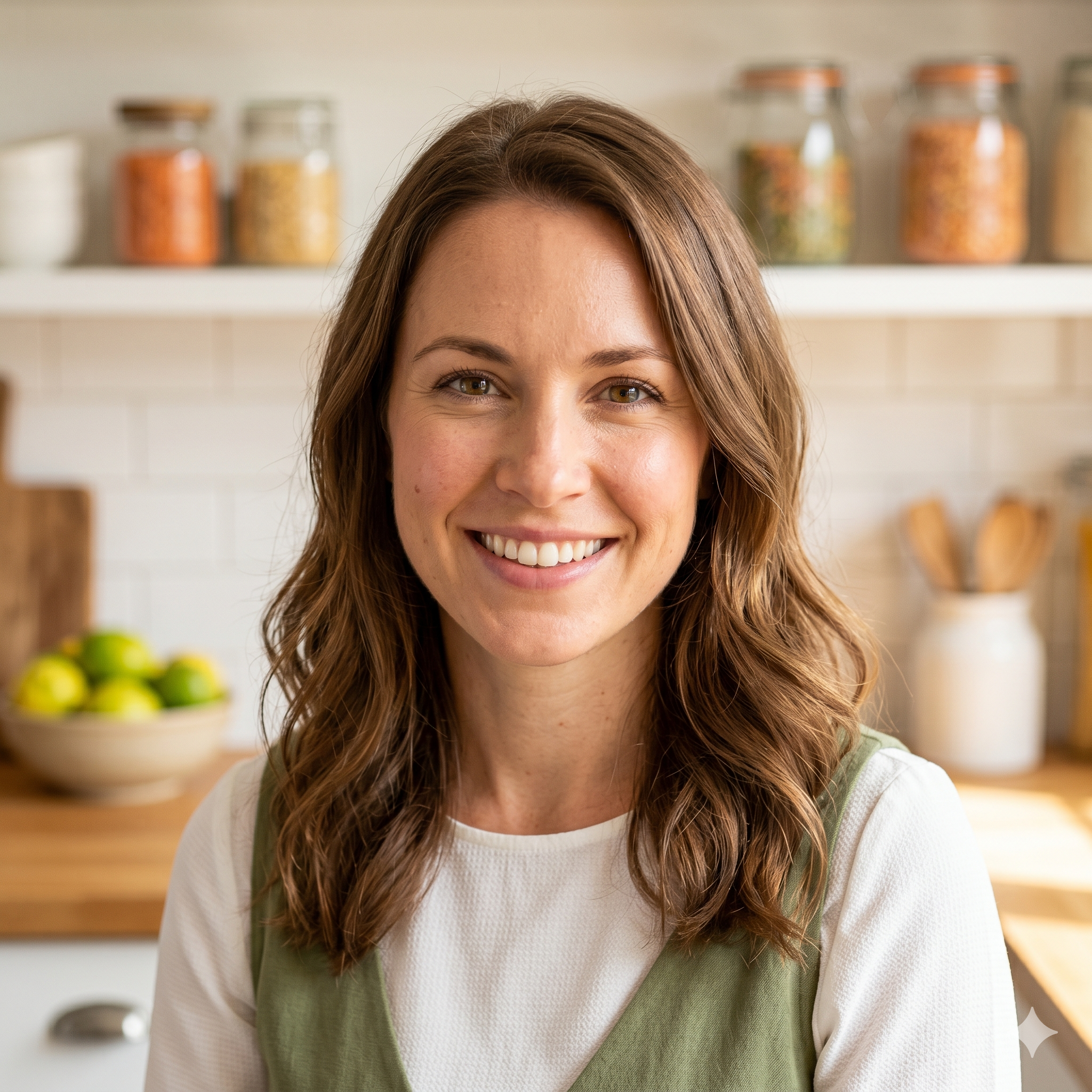
Lauren Marie Collins is a meal planning enthusiast and nutrition writer dedicated to helping everyday people eat healthier, spend less, and actually enjoy the food they prepare. With a passion for practical meal prep systems and honest nutrition guidance, Lauren built this blog to make healthy eating feel simple, sustainable, and genuinely accessible for everyone.