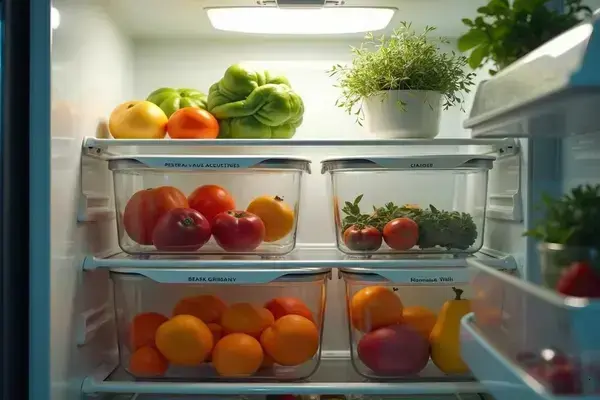
Picture this: you open your fridge, ready to make a fresh salad, and find wilted lettuce and sad carrots buried behind yesterday’s leftovers. It’s a scene that’s all too familiar—and can feel downright wasteful.
That disappointment stings, especially when you remember the time and money spent picking out the best veggies at the store. Nobody likes tossing produce that should’ve lasted for days. The truth is, keeping vegetables fresh longer isn’t always as easy as tossing them in the crisper drawer.
By the end of this guide, you’ll know the keep vegetables fresh longer methods that actually work, using easy science-backed steps you can try today. Get ready for fresher, brighter produce that makes meal prep a pleasure—not a chore.
Understanding Why Vegetables Spoil Faster Than You’d Expect
Ever grabbed a bunch of crisp lettuce—only to see it wilt or turn soggy in just a few days? It almost feels like vegetables have a grudge against busy people. But here’s the reality: understanding why veggies break down so quickly is the key to saving money, time, and a little bit of sanity every week.
The main villain here? It’s a fascinating mix of biology and environment. Most vegetables are packing water—sometimes up to 95%—and once they’re harvested, they start losing moisture through a process called transpiration. That’s when water escapes through pores in their skin, making leafy greens limp and roots shrivel. Combined with exposure to air, microorganisms, and temperature swings, spoilage accelerates faster than you might think.
💡 Pro Tip: The U.S. Department of Agriculture recommends storing highly perishable veggies in high-humidity crisper drawers to slow dehydration and decay. Not all veggies need the same conditions—learning the specifics saves you a surprising amount of food each month.
Picture this scenario: you grab a head of broccoli and a bag of carrots from the grocery store. They’re fresh now, but as soon as you get them home and put them in the fridge, their countdown clock starts ticking. If you keep broccoli near apples or tomatoes, for instance, you’re unintentionally accelerating spoilage—the ethylene gas released by some fruit speeds up yellowing and softening in many vegetables.
| Spoilage Factor | What It Does | Veggies Most Affected |
|---|---|---|
| Humidity Loss | Limp leaves, wrinkling, dehydration | Lettuce, spinach, cabbage |
| Ethylene Exposure | Speeds up yellowing/soft spots | Broccoli, carrots, cucumbers |
| Warm Temperatures | Increases microbial growth | Mushrooms, herbs, leafy greens |
And let’s be honest: it feels personal when you see food (and dollars) going to waste purely because of simple chemistry. The good news? Once you recognize how moisture, gas, and temperature work against you, you can flip the script.
But there’s one detail most owners completely overlook until it’s too late…
Best Storage Containers And Where To Keep Each Veggie
Ever pulled out a soggy cucumber or limp spinach and wondered if it’s your fridge that’s broken—or just your containers? The truth is, container choice matters more than you might think, and the right combo of storage and placement can dramatically improve vegetable shelf life.
Not all storage containers—or spots in your fridge—are created equal. Let’s break down what actually works for different veggies and why.
| Container Type | Best For | Storage Location |
|---|---|---|
| Ventilated Produce Baskets | Onions, garlic, potatoes | Cool, dark cupboard out of fridge |
| Glass Containers With Lids | Chopped carrots, peppers, celery | Main fridge shelf, middle/back |
| Breathable Mesh Bags | Leafy greens, herbs | Crisper drawer, high humidity setting |
| Paper Towels in Plastic Bags | Mushrooms, zucchini | Crisper drawer, low humidity |
It gets more interesting when you consider air circulation. Leafy greens love a touch of humidity, but sealed bags can turn into a swamp. That’s why mesh produce bags, like those recommended by the Food Safety and Inspection Service, keep greens from suffocating and also prevent ethylene buildup—keeping spinach perky, not slimy.
- Ventilated baskets: Allow air to flow, keeping roots and hard veggies dry. Never refrigerate potatoes or onions—they’ll sprout and get mushy.
- Glass containers: Great for cut veggies—airtight seals lock in crunch while you can still see what’s inside, helping you avoid forgotten produce.
- Mesh bags: For herbs and greens, these bags let just enough moisture in without trapping too much—the trick to crisp leaves.
- Paper towels: Wrap mushrooms in a paper towel inside a vented container so they stay dry but don’t shrivel up.
💡 Pro Tip: Store vegetables unwashed until you’re ready to use them. Washing introduces extra moisture, which speeds up spoilage—even in the best containers.
In practice: you prep a week’s worth of salads, cut carrots into sticks, and stash each veggie in the right type of container. By Friday? The lettuce is still crisp, and the peppers snap when you bite them. That’s not a coincidence—it’s science-backed food storage in action, right at home.
What actually works might surprise you…
Simple Science-Backed Tricks For Lasting Freshness
Ever wondered why some people always seem to have perfectly crisp veggies at the end of the week while yours wilt halfway through? The answer isn’t magic—it’s actually some simple, science-backed hacks you can start today. And yes, you’ll be surprised by how easy they are.
- Keep Veggies Dry Before Storage
Moisture is the enemy. Pat everything dry after rinsing—or better yet, don’t wash until you’re ready to use. Damp leaves or roots create an environment where bacteria and mold thrive. That’s why the U.S. Department of Agriculture cautions against storing already-washed produce. - Leverage Ethylene Gas—But Carefully
Certain fruits (like apples and bananas) emit ethylene, which triggers ripening and quick spoilage in veggies. Store ethylene-sensitive greens away from these fruits—especially in separate crisper drawers. - Control Humidity with Vent Settings
Use your refrigerator’s crisper drawer settings. High humidity (less venting) is good for leafy greens and herbs. Low humidity (more venting) works for fruits and tough-skinned veggies. This fine-tuning truly works wonders for shelf life. - Wrap Like a Pro
Try wrapping tender veggies, such as carrots and celery, in a damp paper towel and placing them in a sealed container. It helps maintain the right level of moisture—enough to prevent shriveling, but not so much they rot. - Blanch and Freeze for Long-Term Storage
If you have an excess of greens, blanching (a quick dip in boiling water, then ice bath) before freezing preserves color, texture, and nutrients. This is the technique recommended by the National Center for Home Food Preservation.
💡 Pro Tip: Don’t refrigerate tomatoes, garlic, or potatoes. They lose their flavor, change texture, and spoil faster when chilled.
In practice: imagine prepping a bunch of kale for the week. Instead of just tossing it in a bag, you pat it dry, store it in a mesh bag in the high-humidity drawer, and keep apples far away. Friday rolls around—your kale is still crisp, not sludge. That’s real kitchen science, no fancy tools required.
And this is exactly where most people make the most common mistake…
Danger Zones: Habits That Spoil Your Vegetables Too Soon
Ever looked in your fridge and wondered, “Why do my veggies always wilt before I can use them?” Here’s the thing: it’s usually not about the fridge—it’s about habits you don’t even notice.
Even careful shoppers fall into common routines that create “danger zones” for produce, making everything spoil twice as fast as it should. Let’s break down these everyday mistakes and get tactical about change.
- Washing All Produce Immediately: Water left on leaves or skin leads to early decay. Only wash just before eating or cooking.
- Sealing Everything in Plastic: Lack of airflow in tightly sealed bags traps moisture—hello, rot and mold. Always check if your veggies prefer a bag, box, or breath of fresh air.
- Mixing Fruits and Veggies: Placing ethylene-producing fruit alongside sensitive greens turbocharges soft spots and slime. Keep apples and tomatoes away from leafy vegetables.
- Forgetting About Fridge Zoning: Placing everything on the top shelf may feel convenient, but some veggies thrive in crisper drawers with controlled humidity.
- Ignoring Expiry Order: Storing new veggies behind older ones? You’re more likely to waste food. Follow a “first-in, first-out” approach for everything.
⚠️ Important Warning: According to the Food and Drug Administration, perishable vegetables left at room temperature for more than two hours can become unsafe to eat. Always refrigerate promptly—especially pre-cut produce.
In practice: picture this scenario—you stock up on fresh greens, rinse them, toss them in the fridge in sealed bags, and forget which bag is newer. By midweek, you pull out a wet, wilted mess. If you’d skipped the early rinse, used breathable mesh, and put the freshest picks behind the older ones, you’d still have crisp salads.
| Habit | Impact | How to Flip It |
|---|---|---|
| Washing All at Once | Speeds up bacteria and mold | Wash just before use |
| No Airflow | Trapped moisture, fast spoilage | Store in vented or mesh containers |
| Mixing with Fruits | Ethylene exposure, rapid softening | Separate storage zones |
| Poor Shelf Organization | Lost veggies, more waste | First-in, first-out storage |
What actually works might surprise you…
Easy Weekly Habits To Keep Produce Crisp And Flavorful
Is your fridge a graveyard for wilted greens by week’s end? Building easy, weekly habits is your real secret weapon for keeping produce fresh and full of flavor—no fancy gadgets, just reliable routines.
- Plan Your Veggie Intake
Set aside ten minutes to map out your meals with produce for the week. Knowing what you’ll actually use stops you from overbuying and forgetting leafy greens in the crisper. - Prep, But Don’t Pre-Wash
Chop or portion vegetables right after shopping so they’re ready to grab—just skip the pre-wash. Store cut veggies in airtight glass containers to keep them crisp. - “First-In, First-Out” System
Place newly purchased veggies behind older ones. The older items get eaten first, so nothing languishes and rots at the back of your fridge. - Weekly Quick-Check
Spend 2–3 minutes every Sunday clearing wilted or fading produce. This keeps the rest of your fridge clean and inspires you to use what’s left before it’s gone. - Store Herbs Like Fresh Flowers
Trim the ends, pop them in a glass of water, and tent a bag loosely over the top. This classic tip—endorsed by the National Institute of Food and Agriculture—preserves both taste and texture.
💡 Pro Tip: Give yourself permission to “batch-cook” veggies toward the week’s end for easy lunches and less waste. Roasted odds and ends are surprisingly delicious and convenient.
Picture this scenario: it’s Friday, your fridge is organized, and your veggies are still bright and perky. Every week gets easier as these new routines become second nature—and you’ll actually look forward to checking your produce drawer instead of dreading it.
Small steps, repeated consistently, make the biggest difference over time.
Your Produce Drawer Is Ready
You started with limp leaves and waste, but now you know the real science behind it. Choose the right storage, fix those bad habits, and put easy routines in place. If you take just one thing from this guide, let it be: keep vegetables fresh longer methods actually come down to small actions that work together every day.
Before, opening the fridge brought frustration and guilt. But now? You’re set up for crisp greens, less waste, and more flavor in every meal. Simple steps—done weekly—really change how long your veggies last. Feels good, doesn’t it?
Which of these smart habits will you try first to keep your veggies fresher, longer? Drop your plan or question in the comments—we’re excited to hear!

Lauren Marie Collins is a meal planning enthusiast and nutrition writer dedicated to helping everyday people eat healthier, spend less, and actually enjoy the food they prepare. With a passion for practical meal prep systems and honest nutrition guidance, Lauren built this blog to make healthy eating feel simple, sustainable, and genuinely accessible for everyone.