Ever walked into your local grocery store just to get milk and bread—only to walk out with snacks, a new hot sauce, and half a cart more? You’re not alone. Most of us have been there, lured by a maze of products we didn’t plan to buy.
The problem isn’t just weak willpower; grocery stores are purposefully designed to maximize how much you spend. Each aisle, endcap, even the scent in the bakery works like a little nudge. Over time, those small extras add up, putting a dent in your wallet and even your meal plans.
By the end of this guide, you’ll finally see those grocery store layout tricks save money—and you’ll know how to shop without falling for the traps. Get ready for some eye-opening tactics you can use on your next visit—starting now.
Why Grocery Stores Are Designed To Make You Spend More
Ever notice how walking into a grocery store feels like slipping right into a carefully-crafted experience? That’s not a happy accident—it’s the work of retail psychology, a field studied by researchers like the National Retail Federation. The truth is: every shelf, scent, and sound is strategically designed to encourage you to spend more, even if you came in for just ‘a few things.’
Picture this scenario: you plan for a quick milk run. But the milk is in the back corner. As you wander past glowing produce displays, tempting bakery scents, and attention-grabbing specials on aisle ends, your cart fills up with impulse buys. Suddenly, instead of $5 on essentials, you’re up to $30—without even realizing exactly how it happened.
| Store Element | Purpose | Typical Effect |
|---|---|---|
| Entrance Produce | Create a healthy, welcoming vibe | Sets a feel-good tone, encourages adding extras |
| Endcaps | Highlight promotions & seasonal items | Sparks impulse buys even for non-necessities |
| Dairy in Back | Force customers to walk through store | Exposure to high-margin products along route |
💡 Pro Tip: According to the Food Marketing Institute, stores will even play specific music tempos to make you linger longer—and shoppers who linger spend up to 30% more on average.
Brands and stores work hand-in-hand here. Product placement fees, known as “slotting allowances,” mean that what you see first is rarely random. Top-selling or high-profit items land at eye level, while essentials may be tucked away, requiring a journey through tempting territory. This design is no accident—supermarkets study shopper paths with heat maps, tweaking layouts to maximize their bottom line.
In practice: savvy shoppers often head straight for their must-haves, ignoring the distractions. It may feel strange to walk with such purpose, but that’s one powerful way to beat the system.
But here’s what actually works for the majority of people—understanding the next level: those sneaky shelf tricks that influence what you grab (often without noticing)…
How To Spot And Outsmart The Sneaky Shelf Tricks
Ever wondered why you reach for certain products without even pausing? The answer—shelf tricks. Supermarkets use a mix of product placement, selective lighting, and clever packaging to nudge you toward pricier or less essential items. It’s not about luck. It’s behavioral science, and major chains fine-tune these tactics based on detailed studies by the Food Marketing Institute and the Cornell Food and Brand Lab.
The classic: eye-level shelves. Grocers call this ‘the bullseye zone.’ Brands actually pay for this spot, confident you’ll notice their product first—and likely grab it. Meanwhile, value brands and staples are placed lower or higher, forcing you to bend or stretch. End of day? Your choices are influenced before you even make a decision.
- Eye-level equals premium pricing.
- Kids’ snacks at kid-height.
- Brightly lit “new” tags and neon-colored packaging pop against neutral shelves.
- Essential goods scattered around tempt you on the way.
💡 Pro Tip: Shop with your eyes—look high, look low. Consumer Reports confirms generic and store-brand items are nearly always below or above eye level, and often 20-40% cheaper than their bullseye counterparts.
Picture this scenario: you’re reaching for your regular peanut butter, but a limited-edition flavor with bright colors catches your eye. You toss it in the cart—just once, right? But this kind of impulse add-on, multiplied over a month, can quietly derail the most careful grocery budget.
| Shelf Level | What You’ll Find | Typical Price Range |
|---|---|---|
| Top | Gourmet/Import Brands | Higher |
| Eye Level | Big Brands & Premium Lines | Highest |
| Below Eye | Store Brands & Value Items | Lowest |
And honestly? If you start examining shelf layouts like a pro, you’ll quickly spot hidden deals—sometimes on the very products you need most. But what actually works might surprise you…
Essential Store Zones Where You’ll Save (Or Lose) The Most Money
Do certain parts of the grocery store really make or break your weekly budget? Absolutely—and knowing which zones to watch can save you a surprising amount over time. Stores design their layouts so ‘hot zones’ grab your attention, while essentials are scattered to maximize temptation.
The main areas that impact your wallet aren’t just based on what’s sold there—they’re shaped by the way stores use psychology, lighting, and high-traffic patterns. According to NielsenIQ and the USDA Economic Research Service, consumers routinely overspend in specific sections, but savvy shopping can flip the script entirely.
- Produce Section: Fresh fruits and vegetables are front and center to build a healthy image, but this is also a common spot for impulse specialty items. Stick to your list and seasonal picks for the best savings.
- Prepared Foods/Bakery: Bakery aromas and ready-to-eat meals invite quick grabs—often at gourmet prices. Prepared snacks and breads carry the highest markups in the store.
- Deli & Meat Counter: Displays showcase premium cuts and convenience packs, but family packs or weekly specials often offer much better value.
- Center Aisles: Stock up on pantry basics; bulk purchases here can save big, especially when paired with digital coupons or reward apps.
- Checkout Lane: Candy, drinks, and last-minute picks here are pure profit for stores and drain your wallet quickly—skip these items entirely if you can.
💡 Pro Tip: Plan your path to hit outer aisles first (produce, dairy, meat) and speed through processed foods—Consumer Reports recommends this route to avoid high-margin traps.
Picture this scenario: You need just milk and eggs. The store’s path takes you past a hot new bakery display and the ‘buy one, get one’ snack chips. Suddenly, your quick trip turns into $18 with extra treats in your basket.
| Zone | Save | Lose |
|---|---|---|
| Produce | Bulk buys in season | Exotic or prepared cuts |
| Bakery | Basic breads, family packs | Single pastries, artisan loaves |
| Center Aisle | Store brands, coupons | Endcap gimmicks, brand name snacks |
And this is exactly where most people make the most common mistake—letting clever layouts lead instead of sticking to their real needs…
Mastering Your Shopping List To Beat Store Psychology
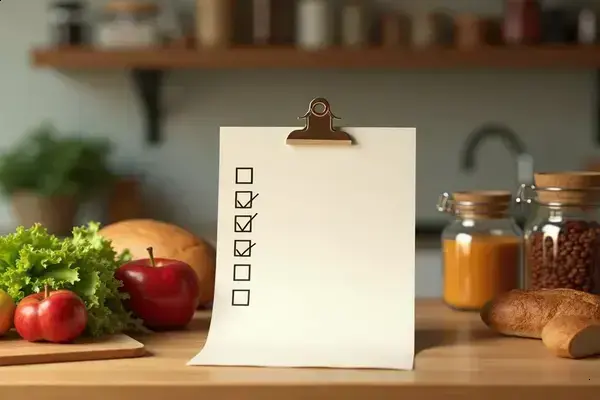
Can a single piece of paper or a digital list really block millions of dollars in marketing science? Yes—but only if you use it intentionally. Relying on memory in a grocery store is like walking through a casino with your wallet wide open. The shopping list is your defense against engineered temptation and impulse buys, backed up by studies from the Journal of Consumer Affairs and the Food Marketing Institute.
- Decide on a Format: Use paper, a free app like Out of Milk (Android/iOS), or your phone’s basic notes app—whichever fits your shopping style best.
- Organize By Store Zones: Instead of random order, group items by section: produce, bakery, aisles, dairy, frozen, personal care. This keeps you moving and less likely to wander.
- Check Your Pantry & Coupons: Before writing the list, look over your shelves and snap a photo if you’re unsure. Digital coupons can be a great last-minute addition for big brands.
- Set “Strict List” Rules: Allow one or two flex items—a treat or a new-to-you product—but draw the line firmly to avoid snowballing extras.
- Stick To What’s Essential: If it’s not on the list and you didn’t run out, it waits until next week. After a few trips, you’ll notice your budget stabilizing.
💡 Pro Tip: According to the Mayo Clinic, shoppers save up to 23% simply by making—and following—a detailed list for each trip. List-makers waste less, spend less, and stress less.
In practice: A parent shopping for a family of four uses a color-coded app and groups items by store aisle, flying past tempting bakery displays and ignoring “special” endcaps. Groceries come in under budget—again. That’s not luck, it’s list discipline that pays off.
But there’s one detail most shoppers completely overlook until it’s too late—and that’s exactly where real-world strategies come into play…
Real-World Strategies For Walking Out With Only What You Need
Ready to defend your wallet at the checkout? Here’s the truth: escaping the grocery store with just what you planned isn’t about brute willpower—it’s about having smarter, real-world strategies that work even when stores pull out all the stops.
- Create a Mission Statement: Before shopping, remind yourself what you truly need (not just what you want in the moment). Keep your list open on your phone—almost like a shopping contract.
- Meal Plan First, Shop Second: Take five minutes to sketch out a basic meal plan. This anchors every purchase in purpose. The Academy of Nutrition and Dietetics confirms meal planners save up to 30% per week on average.
- Shop the Perimeter: Grab fresh produce, meats, dairy, and staples around the store’s outer ring, then hit the center for only specific items. Most processed foods—with high markups—sit in the middle aisles.
- Time Your Trip Wisely: Avoid peak times like evenings or weekends to prevent stress—and impulse grabs driven by crowd pressure.
- Track As You Go: Use your phone’s calculator or a free budgeting app to keep a running tab. Watching your total rise in real time tamps down extras fast.
💡 Pro Tip: If you do get tempted, grab the item and carry it for five aisles. If it hasn’t earned a spot in your cart by then, put it back—Consumer Reports calls this the “five-minute test.” Works wonders for calories and budgets alike.
In practice: A shopper aiming to stick to $60 pulls out the shopping list, calculates each addition, and bypasses two separate baked goods displays untouched. At checkout, the receipt is under budget, and the satisfaction of winning the grocery game is real.
| Strategy | Best For | Watch Out For |
|---|---|---|
| Meal Planning | Families & busy professionals | Tedious if done too far ahead |
| Perimeter Shopping | Whole-food, unprocessed diets | Missing bulk deals in center aisles |
| Active List Tracking | Budget-conscious, solo shoppers | Slower, more deliberate pace |
The right habits in place now make everything easier from here. Walk out with confidence—knowing your strategy, not store tricks, is calling the shots.
Your Grocery Game Just Leveled Up
Shopping used to mean walking straight into clever traps and overspending on impulse buys. But now you know why stores are set up this way, how to spot shelf tricks, and proven ways to keep your budget in check. If you take just one thing from this guide, let it be: a strong list—plus a little layout savvy—is the easiest way to make grocery store layout tricks save money work for you.
Before, you might’ve felt a step behind in the grocery aisles—rushed and constantly tempted. But now you’re armed with real-world strategies and the confidence to outsmart even the craftiest displays. Small changes add up fast, and the savings are yours.
Which new tactic are you most excited to try next time you shop? Share your answer in the comments below—we can all learn from each other’s wins!

Lauren Marie Collins is a meal planning enthusiast and nutrition writer dedicated to helping everyday people eat healthier, spend less, and actually enjoy the food they prepare. With a passion for practical meal prep systems and honest nutrition guidance, Lauren built this blog to make healthy eating feel simple, sustainable, and genuinely accessible for everyone.