Picture this: it’s 7 a.m. and you’re staring at your fridge, wishing there was a simple answer to “What should I eat today?” When you’re managing diabetes, that daily question can feel like an uphill climb—especially when your blood sugar numbers just won’t cooperate.
Mixed-up meals, skipped snacks, or too many carbs at lunch can send your energy on a rollercoaster. You might feel frustrated, exhausted, or even a little guilty—like you should already have this all figured out. I get it, because making sense of every meal can be overwhelming.
By the end of this guide, you’ll have a diabetic meal plan guide printable that takes the guesswork out of eating—plus real-world tips, food lists, and templates so you’ll never feel lost at mealtime again. Ready to feel confident about your next meal? Let’s dive in.
Understanding Diabetes And Why Meal Planning Matters
Why does your blood sugar feel like it’s on a wild rollercoaster some days—and steady as a rock on others? It’s not just chance. The way diabetes interacts with your menu is more powerful than most people realize.
At its core, diabetes means your body struggles with insulin—doesn’t matter if it’s type 1, type 2, or gestational diabetes. Insulin acts like a key, letting sugar from food slip into your cells. When the key doesn’t work right (or there’s not enough of it), sugar hangs around in your blood. That’s when you get the highs, the lows, and all the unpredictability in between.
💡 Pro Tip: According to the American Diabetes Association, structured meal planning is linked to fewer blood sugar swings, better energy, and fewer “surprise” doctor visits. Planning isn’t just about eating less—it’s about eating smart.
In practice: picture this scenario—you grab a quick bagel for breakfast and skip lunch because things get hectic at work. By 3 p.m., you’re shaky, irritable, and reaching for a soda. That’s not a lack of willpower; it’s your body reacting to delayed, unbalanced fueling. Meal planning smooths out those rough edges by spreading your carbs, protein, and fat throughout the day in a predictable way. It’s not about “dieting,” but training your body to expect fuel on time—so your sugar levels won’t keep you guessing.
| Type of Diabetes | Insulin Production | Meal Planning Focus |
|---|---|---|
| Type 1 | Little to none | Carb counting, insulin timing |
| Type 2 | Usually present, not effective | Portion control, balanced macros |
| Gestational | Varies during pregnancy | Regular meals, monitor blood sugar |
The truth is: structured eating habits aren’t just for “super-planners” or nutrition pros. Research in JAMA Network shows adults with diabetes who consistently follow meal schedules see lower HbA1c (a key long-term blood sugar marker) and feel more energetic throughout the week.
And honestly? Even the best-designed meal plans can’t substitute for individualized medical advice. If you’re adjusting medication, new to diabetes, or struggling with blood sugar, chat with your healthcare provider for a plan tailored to you.
But there’s one detail most people completely overlook until it’s too late…
Key Components Of An Effective Diabetic Meal Plan
What really makes a meal plan work for diabetes—beyond the basic carb counting you always hear about? Let’s break down the elements that actually move the needle for steady blood sugar, strong energy, and a sense of control at every meal.
- Balanced Macronutrients: It isn’t just about carbs. Pairing complex carbs with lean protein and healthy fats slows digestion, helps you feel full, and keeps glycemic spikes to a minimum. Think quinoa with chicken and avocado rather than plain crackers.
- Consistent Carbohydrate Intake: Instead of big swings, aim for similar carb counts at each meal and snack. This creates a steady rhythm your insulin (and medications) can handle without as many surprises.
- Non-Starchy Vegetables: Leafy greens, broccoli, bell peppers—they pack in fiber, vitamins, and volume with minimal impact on blood sugar. Fill at least half your plate with these to stabilize every meal.
- Mindful Portion Sizes: Too much of even “good” foods can raise your glucose. Use hand guides, measuring cups, or a food scale to retrain your eye for portions, especially with grains and starchy vegetables.
- Limited Added Sugars and Refined Grains: Foods like white bread, pastries, and sugary drinks digest quickly and can cause rapid spikes. Whole grains and natural sweeteners in moderation are your friends.
💡 Pro Tip: According to the Centers for Disease Control and Prevention (CDC), people who prep meals with a balance of non-starchy veggies, lean protein, and smart carbs see better glucose control and far fewer cravings during the day.
In practice:
Imagine you’re building tonight’s dinner. Instead of guessing, you fill half your plate with sautéed spinach and peppers, a palm-sized portion of grilled salmon, and a scoop of brown rice. Dessert? Berries and a spoonful of Greek yogurt. This plate checks every box—and your after-dinner numbers reflect it.
| Component | Why It Matters | Real-World Example |
|---|---|---|
| Protein | Slows digestion, stabilizes blood sugar | Chicken breast, eggs, tofu |
| High-Fiber Carbs | Steady energy, prevents spikes | Quinoa, sweet potato, lentils |
| Non-Starchy Veggies | Low in carbs, high in nutrients | Spinach, broccoli, bell peppers |
What actually works might surprise you…
Simple Steps To Build Your Personalized Weekly Menu
How do you turn nutrition advice into a real weekly menu—one that actually fits your schedule and supports steady blood sugar? The answer isn’t complicated, but it does take a bit of up-front thought and a few simple hacks you’ll use every single week.
- Set Your Schedule: Start by jotting down your busiest days and usual meal times. Knowing where you’ll be on Tuesday night or when you have a chaotic Friday morning means you can plan meals that actually fit.
- Pick Your Proteins: Choose 2-3 main protein sources you enjoy: maybe chicken, baked tofu, or lean ground turkey. Variety helps you avoid boredom and ensures you get a range of nutrients.
- Choose High-Fiber Carbs and Veggies: Add in 2-3 types of whole grains (like brown rice or barley) and a few favorite non-starchy vegetables. Rotate these all week to keep things interesting—your gut (and blood sugar) will thank you.
- Plan for Leftovers: Double up on certain dinners so you’ve got ready-to-go lunches the next day. This step can save hours and help you dodge drive-through temptations.
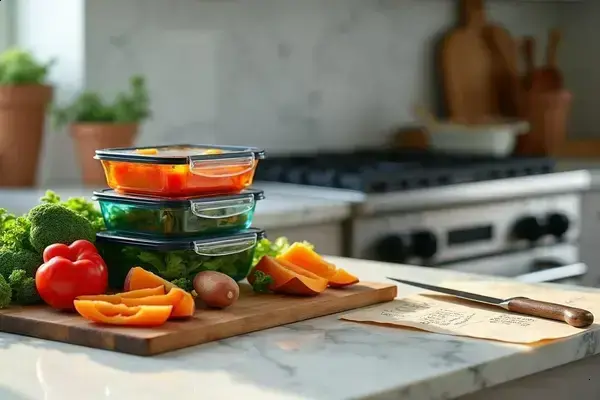
- Fill Your Shopping List and Batch Cook: Make a full grocery list before you hit the store. A little batch cooking (roasting veggies, grilling chicken) on Sunday frees up brain space for the entire week—no more last-minute guesswork.
- Notebook or meal planning app
- Measuring cups or digital kitchen scale
- Resealable food containers
- Sharp knife and cutting board
- One hour for prep
In practice: you sit down with your calendar and spot that Thursday is packed with late meetings. So you prep extra quinoa and turkey stir-fry Wednesday night for fast leftovers. Later, when everyone else is scrambling for takeout, you’ve got a balanced meal waiting in the fridge.
💡 Pro Tip: The Joslin Diabetes Center recommends that planning at least three dinners in advance—leaving space for flexibility—leads to more consistent blood sugar results (and a lot less stress) by the end of the week.
| Step | Time Needed | Biggest Benefit |
|---|---|---|
| Schedule Meals | 10 min | Prevents missed or rushed meals |
| Pick Ingredients | 15 min | Boosts menu variety and nutrition |
| Batch Cook | 30 min | Saves time on busy days |
And this is exactly where most people make the most common mistake…
Foods To Embrace And Ones To Limit For Better Control
Ever stand in a grocery aisle debating between two foods—wondering which will truly support your blood sugar, not just today but over the long haul? You’re definitely not alone! Choosing what to put on your plate matters just as much as planning when you’ll eat.
- Foods to Embrace: Non-starchy vegetables (broccoli, spinach, cauliflower), whole grains (quinoa, brown rice, barley), lean proteins (chicken breast, fish, tofu), and unsweetened Greek yogurt. These foods digest slowly, boost fiber (which helps glucose stability), and fill you up without added sugar rushes.
- Healthy Fats: Avocados, olive oil, mixed nuts, and chia seeds. They keep you feeling satisfied and help blunt blood sugar spikes—just mind your portions since fats are calorie-dense.
- Beans and Lentils: Packed with protein and resistant starch, legumes help maintain steady energy between meals. A serving of black beans tossed in a salad makes a real difference in appetite control, too.
On the other side, it’s smart to curb your intake of foods that work against stable glucose.
- Foods to Limit: Sugary drinks (soda, sweetened tea), white bread, pastries, candy, fried foods, full-sugar ice cream, and high-fat processed meats. These tend to act fast on your system, causing spikes and crashes that can wreck your day. Watch out for added sugars even in savory foods—labels can be deceiving.
💡 Pro Tip: The American Heart Association recommends scanning for hidden sugars on ingredient lists—look for terms like maltose, corn syrup, and dextrose, even if “sugar” isn’t listed up front.
Picture this scenario: Breakfast could be an overnight oats bowl topped with walnuts and fresh strawberries, while lunch is a colorful salad with lentils, grilled chicken, and olive oil. Later, if you crave crunch, roasted chickpeas or a handful of almonds beat chips every time.
| Category | Embrace | Limit |
|---|---|---|
| Grains | Brown rice, barley, quinoa | White bread, pastries |
| Proteins | Chicken, fish, tofu | Sausages, bacon, fried meats |
| Snacks | Raw nuts, Greek yogurt | Candy, chips, ice cream |
And this is exactly where most people make the most common mistake…
Printable Templates To Streamline Your Daily Meals
Have you ever started the week with big meal-planning goals, only to get derailed halfway through and end up grabbing whatever’s quick—or skipping meals altogether? Printable templates might sound simple, but they’re an absolute game-changer for sticking to balanced, diabetes-friendly eating with less stress and guesswork.
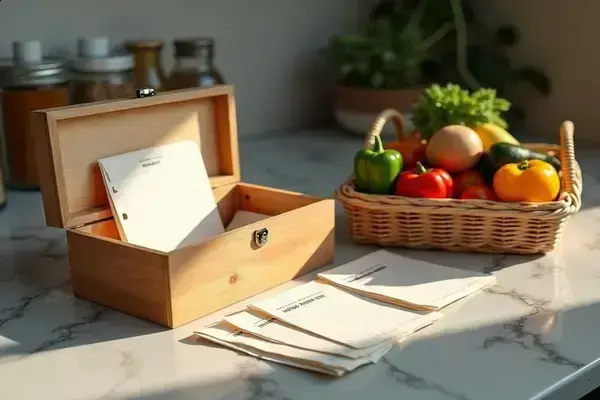
- Weekly Menu Planners: These give you space to map out breakfast, lunch, dinner, and snacks for each day. Fill in your favorite meals or new recipes, so you always know what’s next on the menu.
- Shopping Lists: Pre-filled categories (produce, dairy, grains, proteins) speed up your store runs. Cross off as you go, and never forget an essential again.
- Blood Sugar Tracker: Jot down readings alongside what you ate. Patterns pop up, making it so much easier to see which foods or meal times work best for your body.
In practice: picture this scenario—you print out a meal planner, fill it in with recipes on Sunday, and stick it to the fridge. Midweek, when dinner time rolls around, you’re not stuck in decision fatigue. The answer’s right there, and your prepped groceries are ready and waiting.
Getting the Most Out of Templates
- Print out your chosen planners at the start of each week.
- Keep them in a visible spot—like the fridge door or inside a daily binder.
- Fill in meals, snacks, and shopping needs once you’ve seen your upcoming schedule.
- Update your blood sugar log after each meal for honest tracking.
- Review notes at the end of the week to spot patterns that help future plans.
⚠️ Important Warning: According to the Academy of Nutrition and Dietetics, templates work best when you update them regularly and personalize them to your medical plan. Be sure to consult with your diabetes care team before making major changes—especially if you’re adjusting medication or insulin.
| Template | Best For | How to Use |
|---|---|---|
| Menu Planner | Busy schedules | Write 1 week in advance |
| Shopping List | Simplifying grocery trips | Tick off items by section |
| Blood Sugar Log | Spotting trends | Record after each meal |
The right habits in place now make everything easier from here.
Your Daily Meals, Made Simple
If you take just one thing from this diabetic meal plan guide printable, let it be this: planning ahead—even in small ways—makes healthy eating and stable blood sugar way more achievable. Remember, balance matters: the right foods, regular meals, and using simple tools like printable templates put you back in control.
Before today, choosing meals probably felt stressful or rushed, with way too many question marks at each turn. But now you’ve got real strategies, food swaps, and ready-to-use resources to make each day smoother. Small, smart changes stack up. You can do this—we both know it.
Which printable or meal tip are you most excited to put to use this week? Share your thoughts with us in the comments—we’d love to hear your plans!

Lauren Marie Collins is a meal planning enthusiast and nutrition writer dedicated to helping everyday people eat healthier, spend less, and actually enjoy the food they prepare. With a passion for practical meal prep systems and honest nutrition guidance, Lauren built this blog to make healthy eating feel simple, sustainable, and genuinely accessible for everyone.