Picture this: You’re staring at your bowl of lentils, wondering if it’s really giving your body everything it needs. You care about nutrition. You want to thrive on a plant-based diet — but the whole complete protein thing? It feels confusing, almost like decoding a secret recipe you never learned in school.
If you’ve ever left a dinner feeling hungry, or worried that your meals aren’t doing the heavy lifting, you’re not alone. It’s easy to miss out on vital amino acids if you don’t know the right combos. That little doubt nags at you. Could your energy dips, slow recovery, or mood swings be traced back to missing nutrients?
Here’s the thing: mastering complete protein combinations vegetarian isn’t rocket science — once you see the simple patterns and proven tricks. Stick around, and by the end, you’ll know real-life food pairings, science-backed strategies, and clever hacks for making every plant-based meal deliver true protein power. Ready to finally eat with confidence? Keep reading.
Why Protein Quality Matters In Vegetarian Diets
Ever find yourself wondering, “Am I really getting enough out of my vegetarian meals?” You’re not alone. Most people think eating more beans or tofu is enough — but the real game changer is protein quality.
The truth is, not all protein sources are created equal. Protein quality refers to the amino acid profile and how well your body can use those building blocks. The more complete the profile, the better your body can repair tissues, build muscle, and support your immune system — especially vital for active vegetarians or kids in growth spurts.
💡 Pro Tip: The World Health Organization recommends varying your plant proteins daily, since different sources provide different essential amino acids. It’s not about perfection at every meal — it’s about balance over time.
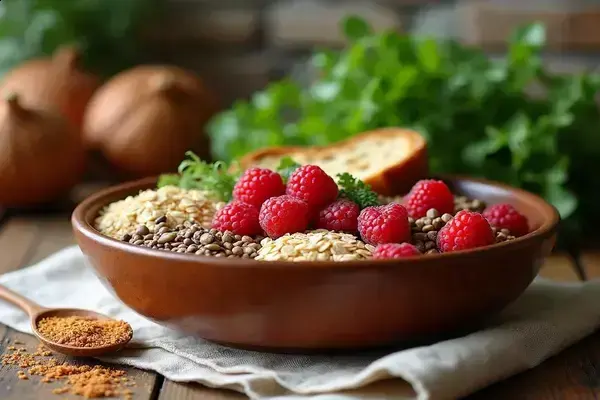
Picture this scenario: You prep a lentil salad after gym day, proud of your meal planning. Yet days later, you’re still dragging, maybe even facing more muscle soreness than expected. Why? Lentils lack certain amino acids, so the body doesn’t get the full toolkit it needs — no matter how many calories you take in.
| Protein Source | Completeness | Standout Nutrients |
|---|---|---|
| Eggs | Complete | Vitamin B12, Choline |
| Quinoa | Complete | Magnesium, Fiber |
| Lentils | Incomplete | Iron, Folate |
| Chickpeas | Incomplete | Zinc, Fiber |
What actually works might surprise you: with a basic understanding of which foods complement each other, you can create a vegetarian diet that supports strength, energy, and even better mood — without complicated tracking or supplements.
The Science Behind Amino Acids And Plant Proteins
Why is everyone obsessed with amino acids when talking about vegetarian diets? It all comes down to this: your body can’t make all of them on its own. We call the ones you absolutely must eat essential amino acids. There are nine, and your body relies on these for muscle repair, hormone balance, brain function — basically, your energy and wellbeing.
Different plant-based foods contain different sets of amino acids. Some — like soy and quinoa — pack all the essentials. Others are rich in some, missing others. This is what separates complete proteins (they deliver the full set) from incomplete proteins (just a partial list).
💡 Pro Tip: According to the National Institutes of Health, combining various plant proteins over your day naturally rounds out your amino acid intake, even if every meal is not individually “complete.” Mixing beans, grains, and seeds gets you closer than obsessing over each bite.
Picture this scenario: You build your meal plan around chickpeas for lunch and rice for dinner. Alone, each is incomplete. Together? They team up in your body — chickpeas fill in what rice lacks, and vice versa. That’s synergy at the molecular level, directly impacting how strong you feel, how well your body recovers, and even how sharp your mind stays.
- Lysine: Often low in grains, but abundant in beans and lentils
- Methionine: Scarcer in many legumes, richer in grains and seeds
- Tryptophan: Found in nuts, seeds, and soy foods
The Academy of Nutrition and Dietetics confirms: you don’t need to combine every protein source in one sitting. Variety throughout the day works just fine — and it’s less stressful, too. But there’s one detail most plant-based eaters completely overlook until it’s too late…
Classic Vegetarian Complete Protein Pairings
What if there were classic combos—trusted across cultures—that guarantee you’re getting every essential amino acid on your plate? Those exist, and they’re easier to master than you might expect. Pairing plant foods is where vegetarian nutrition truly shines.
- Beans + Rice: Latin, Caribbean, and South Asian cuisines have this staple for a reason. Beans fill in the lysine missing in rice, while rice brings the methionine beans lack. Cook them together or serve as a bowl—either way, your body benefits.
- Peanut Butter + Whole Grain Bread: A humble lunchbox hero. Spread peanut butter on wheat and you’ve completed the amino acid puzzle in just a couple of bites.
- Lentils + Barley: Middle Eastern kitchens perfected this. Lentils cover barley’s weak spots and vice versa, making hearty stews that power you through cold days.
💡 Pro Tip: According to the Harvard T.H. Chan School of Public Health, you don’t need to eat these pairs at the same meal every time—mixing up your diet across the day works. That means more freedom and less stress.
In practice: Imagine a weeknight dinner—spicy black beans simmered with cumin, served over brown rice and topped with salsa. You’re not just eating for comfort. You’re supporting cellular repair, steady energy, and, yes, even better sleep, thanks to the complete amino acid profile.
| Pairing | Regional Roots | Benefits |
|---|---|---|
| Chickpeas + Pita | Mediterranean | Boosts fiber and iron along with amino acids |
| Tofu + Brown Rice | East Asian | Easy to digest, fast complete protein |
| Hummus + Whole Wheat Bread | Middle Eastern | Plant protein plus more B vitamins |
And this is exactly where most people make the most common mistake—forgetting that tradition and science often agree on what makes a meal ‘whole.’ Next up: how to rethink these combos with creativity and ease…
Creative Ways To Mix And Match Plant Proteins
Ever get bored of the same old beans and rice? The real beauty of a plant-based diet is the endless chance to experiment and keep your meals exciting. That’s how you stay satisfied—and truly nail complete protein combinations.
- Start with a Base: Choose grains like farro, wild rice, or bulgur. These grains offer a different texture and up your protein game.
- Add a Power Protein: Toss in edamame, green peas, or hemp seeds. Legumes and seeds together cover your amino acid bases.
- Mix in a Nutty Crunch: Walnuts, slivered almonds, or sunflower seeds bring both texture and extra protein.
- Layer with Spreads: Think hummus, black bean dip, or roasted red pepper cashew spread. They add flavor, creaminess, and more amino acids.
- Top with Fermented Goodness: Sprinkle tempeh, miso, or even a spoonful of kimchi for a probiotic boost—plus, you’re rounding out your protein sources.
💡 Pro Tip: The Vegetarian Nutrition Dietetic Practice Group recommends prepping a few versatile mix-ins (like chopped nuts, roasted chickpeas, or herbed tofu) on Sunday. That way, you can build a different protein bowl every day in 5 minutes flat.
In practice: Let’s say you open your fridge and it’s mostly small leftovers. Grab a whole wheat tortilla, spread on hummus, scatter black beans and leftover quinoa, throw on some spiced sunflower seeds—from scraps to a power-packed wrap, you’ve just created a complete protein with zero food boredom.
- Unexpected Pair: Buckwheat noodles with silken tofu and sesame seeds
- Worldly Bowls: Barley pilaf with split peas and avocado
- Snack Attack: Roasted chickpeas with pumpkin seed clusters
What actually works might surprise you—the easiest combos are often the most flavorful and budget-friendly. And there’s one habit that even meal-prep pros forget when tracking their daily protein intake…
Tips For Getting Enough Protein Every Day
Getting enough protein on a vegetarian diet doesn’t have to feel like a secret science. The trick is to spread protein sources wisely and make some simple swaps that stick. What steps actually help you hit those daily targets without stress?
- Build Every Meal Around Protein: Choose a base—like Greek yogurt, tofu, cottage cheese, or beans—for breakfast, lunch, and dinner.
- Snack Smart: Keep roasted chickpeas, trail mix, cottage cheese, or protein bars on hand for quick boosts between meals.
- Batch Cook Once a Week: Prep large batches of lentil soup, quinoa salad, or baked tempeh so protein is always ready and waiting.
- Check Serving Sizes: You might not need as much as you think; the Dietary Guidelines for Americans recommend 0.8 grams of protein per kg of body weight.
- Track Your Intake: Use an app or a simple checklist to see how much you’re actually eating—awareness is half the battle.
⚠️ Important Warning: If you have a medical condition, are pregnant, or are planning dietary changes for a child, consult a registered dietitian or physician first. Individual protein needs can vary widely and professional advice is key.
In practice: Picture this scenario—Jess preps a big pot of black bean chili on Sunday, bakes a tray of tofu cubes, and sets out single-serve Greek yogurt cups for the week. When life gets hectic, she has grab-and-go options loaded with muscle-supporting amino acids. No last-minute stress, no gaps in her day.
| Meal or Snack | Protein Source | Approx. Grams |
|---|---|---|
| Breakfast | Greek Yogurt + Seeds | 18g |
| Lunch | Quinoa & Chickpea Bowl | 15g |
| Dinner | Lentil Stew with Tofu | 22g |
| Snack | Trail Mix (Nuts + Seeds) | 8g |
Once this is in place, the rest of the routine falls into place naturally.
Your Plant Proteins, Handled With Confidence
If you take just one thing from this guide, let it be: getting all your amino acids from vegetarian foods is absolutely doable—when you mix and match smartly. Remember, classic combos like beans and rice, knowing the science behind plant proteins, and simple, mindful prep are the real keys to thriving on a plant-based diet. That’s the heart of complete protein combinations vegetarian living.
Maybe before, protein felt like a puzzle you could never quite solve. Now? You’ve got real-world examples, cultural tips, and a toolkit to make balanced, energizing meals. Small shifts matter. Suddenly, breakfast, lunch, and dinner just work. It gets easier every time you try.
What’s your go-to protein pairing or the biggest challenge you still face with vegetarian meals? Share your thoughts below—we’re excited to hear what’s cooking in your kitchen!
Lauren Marie Collins is a meal planning enthusiast and nutrition writer dedicated to helping everyday people eat healthier, spend less, and actually enjoy the food they prepare. With a passion for practical meal prep systems and honest nutrition guidance, Lauren built this blog to make healthy eating feel simple, sustainable, and genuinely accessible for everyone.