Picture this: you’re standing in the grocery aisle, calculator in hand, second-guessing every item you toss in your cart. That $50 budget feels smaller than ever, but you want more than just ramen and crackers.
Living on a tight food budget can feel relentless — like every checkout session is a test you might fail. The wrong choices add up, and before long you’re out of money, stuck with tasteless meals that leave you hungry and frustrated each night.
Here’s the thing: by the end of this post, you’ll have a real budget meal plan 50 dollars week that makes sense, tastes good, and actually keeps you full. You might be surprised by how far your dollar can stretch when you shop (and cook) with intention. Ready to dive in?
How To Grocery Shop Smart On A Tight Budget
Grocery shopping on a $50 budget doesn’t mean resigning yourself to boring, flavorless meals — it means getting strategic. How can you fill your cart without feeling deprived or stressed at the checkout? It’s about knowing the strategies, not just clipping coupons. And honestly? Most people overlook the highest-impact habits that really stretch every dollar.
The truth is, the grocery industry is built to encourage overspending. Sale tags, flashy displays, and ‘club prices’ are designed to tempt you. So, how do you play smart? Focus on what’s seasonal, compare unit prices (that tiny price per ounce on the shelf tag), and stick to a written plan — even if you’re tempted by a sale on frozen pizza. According to the USDA, sticking to whole foods (like rice, beans, potatoes, and eggs) is the single best way to reduce your average weekly spend without sacrificing nutrition.
💡 Pro Tip: Make your grocery list after checking local store flyers and planning your weekly meals. This ensures you buy what’s truly cheapest and avoid mid-week last-minute runs that bust your budget.
Picture this scenario:
You’re rushing after work with just 30 minutes before closing time. The endcaps scream ‘2 for $5’ but you pause — you pull out your meal plan and quickly scan the unit prices. Instead of grabbing snack packs, you pick up dry lentils, a 5-lb bag of potatoes, and a dozen eggs. You’ll eat for days, not just one night.
- Stick to the outer aisles: Fresh produce, dairy, and staples like oats or beans cost less than most boxed items.
- Avoid individual servings: Bulk purchases reduce cost per meal. Grab a larger yogurt and portion it yourself — you’ll save nearly 40% per ounce.
- Walk in with a calculator: Set your running total as you shop, so you won’t get sticker shock at the register.
- Download your grocer’s app: Many stores, such as Kroger or Safeway, offer exclusive digital-only deals and weekly price drops — these aren’t always found in paper flyers.
- Always check the ‘reduced for quick sale’ section: Perfect for finding deeply discounted produce, bread, or meats that can be frozen for later.
| Shopping Habit | Estimated Weekly Savings | Downside |
|---|---|---|
| Buy Bulk Staples | $8-12 | Needs up-front storage space |
| Opt for Store Brands | $5-7 | Occasional quality differences |
| Plan and Pre-List | $7-10 | Takes extra prep at home |
For official guidance, the Academy of Nutrition and Dietetics recommends shopping with a plan and comparing price-per-unit for every basic item — that’s where real savings hide.
But there’s one detail most budget shoppers completely overlook until it’s too late…
Essential Foods That Stretch Your Dollar Further
What’s the secret to never running out of food before payday — and still eating well? The answer is choosing smart, versatile staples that work across breakfast, lunch, and dinner. It’s not about surviving on instant noodles. It’s about stocking up on proven, nutrient-rich basics that keep you satisfied and your wallet happy.
Let’s break it down: stretching your dollar means picking foods with a low cost per serving and a long shelf life. You want ingredients that adapt to any meal plan, don’t spoil fast, and can be seasoned up or down. According to the Academy of Nutrition and Dietetics, focusing on whole grains, legumes, eggs, and root vegetables lets you build balanced, healthy meals at a fraction of the cost of pre-packaged options.
💡 Pro Tip: Always have at least three “core” proteins (like eggs, canned beans, or peanut butter) on your list. These anchor any meal when you hit a recipe slump—less stress, more nutrition.
In practice: imagine standing in the kitchen after a hectic week. Funds are low, but because you have oats, brown rice, potatoes, and black beans on hand, dinner’s still covered. You whip up a veggie stir-fry, use leftover rice for breakfast porridge, and pack a bean salad for lunch. That’s food security powered by pantry basics.
- Oats: Cheap, shelf-stable, and perfect for breakfast, baking, or savory dishes like oat risotto.
- Rice (brown or white): Universally adaptable. Use for stir-fries, casseroles, or even pudding.
- Dry Lentils & Beans: Provide plant-based protein for pennies per serving, and require nothing but water, salt, and time.
- Eggs: Still one of the highest-value proteins, versatile from breakfast scrambles to frittatas or fried rice.
- Potatoes & Carrots: Long-lasting, nutrient-dense, and easily roasted, mashed, or stewed into soups.
| Staple | Avg. Cost per Serving | Best Use |
|---|---|---|
| Rolled Oats | $0.12 | Porridge, muffins |
| Brown Rice | $0.21 | Bowls, stir-fry, salad |
| Dried Black Beans | $0.09 | Soups, tacos, salad |
| Eggs | $0.23 | Breakfast, quiche |
| Potatoes | $0.17 | Mashed, roasted, hash |
If you live in an area with farmers’ markets or food cooperatives, you can often find bulk deals on these essentials—sometimes even cheaper than major supermarkets. The USDA highlights in their ‘Thrifty Food Plan’ that shopping for staple foods in bulk reduces waste and lets you buy higher-quality ingredients while staying on budget.
What actually works might surprise you…
Sample 7-Day Meal Plan For $50 Or Less
How do you turn a handful of basic ingredients into a full week of balanced, satisfying meals—without going over budget? Building a real-life meal plan that fits under $50 takes more than just choosing cheap foods. It’s about strategically reusing ingredients, preventing waste, and making every purchase count at breakfast, lunch, and dinner.
- Inventory First: Before shopping, list what’s already in your pantry and fridge—don’t double up on staples like oil and spices.
- Build a Core Grocery List: Include eggs, oats, rice, beans, frozen vegetables, potatoes, carrots, peanut butter, and at least two seasonal fruits.
- Batch-Cook Large Portions: Prep a big pot of rice, beans, and a vegetable soup on day one. They form the foundation for multiple meals.
- Plan Meals That Share Ingredients: For example, roast a big tray of potatoes and carrots; serve with scrambled eggs one day, in soup the next, and as a side with rice bowls.
- Stick to Simple Breakfasts: Alternate between oatmeal and eggs—oats with fruit, eggs with toast, and peanut butter on toast.
- Rotate Lunch and Dinner: Bean burrito bowls, veggie stir-fry with rice, lentil soup, and frittatas stretch your dollars while offering variety.
- Pack Snacks Wisely: Use apples, bananas, and nut butter for filling, portable snacks that last the week.
- Requires: 2 hours on prep day, small freezer space, basic pots and pans.
💡 Pro Tip: Use a printable meal calendar or dedicated app (like Mealime or Yummly) to map your plan and prevent impulse buys. According to Feeding America, sticking to a written meal plan can reduce your monthly food waste by up to 35%.
In practice: picture this scenario—it’s Thursday, dinner time, and you’re exhausted. Instead of staring at empty cabinets, you pull out your prepped veggie soup, add leftover rice, and finish with a sliced banana for dessert. No stress, no extra cash spent.
| Day | Breakfast | Dinner |
|---|---|---|
| Mon | Oatmeal + Peanut Butter | Veggie Stir-Fry + Rice |
| Tue | Eggs + Toast | Bean Burrito Bowl |
| Wed | Oats + Frozen Berries | Homemade Vegetable Soup |
| Thu | Eggs + Roasted Potatoes | Stir-Fried Rice + Leftover Veggies |
| Fri | Oatmeal + Banana | Lentil Stew + Toast |
| Sat | Eggs + Toast | Sheet Pan Roasted Veggies |
| Sun | Oatmeal + Apple | Egg + Veggie Frittata |
And this is exactly where most people make the most common mistake…
Prep Tips To Save Time And Avoid Food Waste
How many times have you bought fresh produce… only to find it wilted in the back of the fridge five days later? The truth is, prepping your meals isn’t just about convenience—it’s the real secret to keeping your grocery bill under $50 and maximizing every ingredient you buy. It’ll save you more money than any sale ever could.
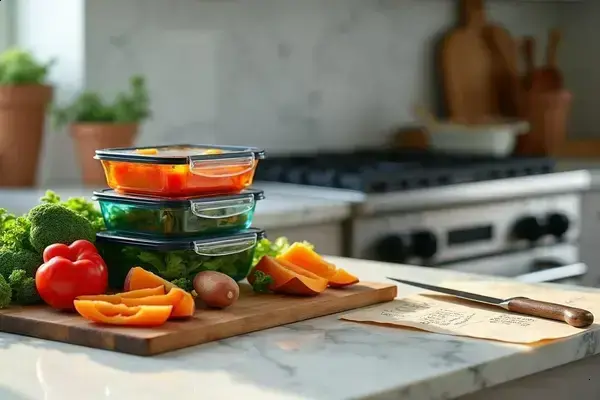
- Wash and Chop ASAP: The minute you get home, rinse and prep your veggies for the week. Portion carrots, dice onions, and store everything in clear containers so nothing gets forgotten or slips behind the milk.
- Batch-Cook Proteins and Grains: Make a big pot of rice or beans at the start of the week. This cuts cooking time and keeps you from ordering takeout when you’re tired.
- Freeze Leftovers Smartly: Any dinner that’s more than you’ll eat in one sitting? Portion it out and freeze. Even half a cup of soup or chopped greens can be lifesavers for lunches later.
- ‘First In, First Out’ Rule: Always pull older foods to the front of the fridge or pantry, using them before opening new packages. This is the golden rule for avoiding waste, according to Feeding America.
- Plan Creative Leftovers: Before throwing out random veggies or the last scoop of beans, ask: ‘Can I turn this into an omelet, stir-fry, or soup?’ You’d be surprised how easily scraps become full meals.
- What you’ll need: Storage containers, freezer bags, paper towels for greens, a clean sharp knife, and a simple week-by-week meal plan.
⚠️ Important Warning: Always cool cooked food to room temperature before refrigerating or freezing, to prevent bacteria growth and keep food safe—guidance per USDA Food Safety and Inspection Service. If you have any dietary restrictions or chronic health concerns, consult a registered dietitian for meal prep that fits your needs.
In practice: picture this scenario—Sunday night, you’ve got all your veggies chopped and your rice cooked. By Wednesday, instead of finding mushy spinach, you toss crisp greens into a soup and have dinner on the table in ten minutes flat. That’s money and time you won’t get back any other way.
| Prep Tip | Time Saved (per week) | Food Waste Reduced |
|---|---|---|
| Batch-Chop Vegetables | 60+ min | Up to 40% |
| Cook Grains in Bulk | 40 min | 20% |
| FIFO Organizer Bins | 30 min | 25% |
And this is exactly where most people make the most common mistake…
Mistakes To Avoid When Shopping And Cooking Cheap
Ever walk out of the store thinking you nailed your budget—then a week later, your fridge is empty and your meals are a little sad? Shopping and cooking on the cheap comes with its own set of hidden traps. And honestly? Most of them are so common that even careful planners fall for them.
- Impulse Buys at the Register: Grabbing those ‘deal’ snacks and drinks can eat up your budget faster than you think. If it’s not on your list, skip it—no matter how tempting the price.
- Ignoring Unit Prices: Always scan the price per ounce or gram. Bulk isn’t always cheaper, and store brands often slip under the radar with much better value.
- Only Buying Perishables: Stocking up only on fresh produce or discount meat is risky; if your schedule changes, food spoils fast. Always balance with long-lasting staples like rice or lentils.
- Overlooking Seasonality: Buying berries or greens out of season will stretch your budget thin. Stick to what’s abundant locally, or choose frozen when prices spike—the USDA says frozen veggies are just as nutritious as fresh.
- Trying Hard to ‘Copy’ Expensive Dishes: Chasing recipes that require a dozen specialty ingredients kills savings. Focus on techniques that elevate simple foods—roasting, sautéing, and seasoning—before trying to imitate restaurant meals.
💡 Pro Tip: Track your food spending and waste every week. Write down what didn’t get used and why—was it too much prep, or did you get bored eating the same thing? According to the Academy of Nutrition and Dietetics, reviewing this info is key to long-term savings.
Picture this scenario: You make a big pot of soup with all the sale veggies, but forget to freeze the leftovers. By Friday, you’re tossing out half the batch. A small adjustment—like portioning soup right away—could save you $10 or more every month. Lesson learned without guilt.
| Mistake | What Happens | Easy Fix |
|---|---|---|
| Impulse Buying | Budget blown, food wasted | Stick to your shopping list |
| Ignoring Unit Price | Pay more per meal | Compare cost per ounce |
| Buying Only Fresh | Spoiled food, wasted money | Mix with shelf-stable staples |
Small steps, repeated consistently, make the biggest difference over time.
Healthy Meals, Less Stress
If you take just one thing from this guide, let it be: you really can eat healthy with a budget meal plan 50 dollars week—all it takes is planning, choosing smart staples, and a little prep. The biggest wins come from grocery shopping wisely, stretching core ingredients, and avoiding the most common mistakes that trip up even the savviest shoppers.
Before, sticking to $50 a week might have felt impossible or meant sacrificing variety and flavor. Now, you’ve got real tools on your side—practical meal ideas, money-saving strategies, and ways to make every dollar count. Meals can be easy, tasty, and truly satisfying. You’re more capable than you think.
What’s your go-to trick for stretching your grocery dollar or saving time in the kitchen? Share it with us in the comments below—I can’t wait to hear what works for you!

Lauren Marie Collins is a meal planning enthusiast and nutrition writer dedicated to helping everyday people eat healthier, spend less, and actually enjoy the food they prepare. With a passion for practical meal prep systems and honest nutrition guidance, Lauren built this blog to make healthy eating feel simple, sustainable, and genuinely accessible for everyone.