You know that sluggish, achy feeling that just won’t quit—even after a good night’s sleep? Sometimes, it’s more than just “getting older.” Chronic inflammation could be quietly affecting how you feel, move, and even think.
Here’s the thing: when inflammation simmers beneath the surface, even “healthy” meals can make your body work against itself. Left unchecked, it doesn’t just slow you down—it puts your long-term health in real jeopardy. Tackling it means rethinking every bite.
By the time you finish, you’ll have the confidence (and a anti inflammatory meal plan printable) to start eating in a way that helps your body heal—not hurt. Ready to find out what foods truly make the difference?
What Is Inflammation And Why Does It Matter?
Ever find yourself asking, “Why am I always feeling run down, sore, or just ‘not quite right’—even when bloodwork looks fine?” Here’s the thing: the answer often comes down to one sneaky culprit inside your body—chronic inflammation.
Inflammation, at its core, is your immune system’s rapid response to a threat: infection, injury, or even certain foods. When managed well, this process is like a helpful firefighter—repairs damage, then retreats. But if your body keeps sending out ‘alarms’ even when there’s no fire? That’s when swelling, pain, and long-term issues sneak in.
💡 Pro Tip: According to the Centers for Disease Control and Prevention (CDC), persistent low-grade inflammation is linked to conditions like heart disease, diabetes, and arthritis—catching it early can make all the difference for your long-term health.
In practice: imagine you twist your ankle—maybe you see swelling and redness for a few days. That healing process is classic (and healthy) inflammation at work. But now picture your joints feeling swollen every morning, or your stomach always feeling unsettled after certain meals. Those are hints that inflammation isn’t turning off when it should.
The Two Faces of Inflammation
| Type | Triggers | Impact |
|---|---|---|
| Acute | Injury, infection, allergens | Short-term, heals with rest |
| Chronic | Poor diet, stress, toxins, disease | Lasts months or years, damages tissues |
Medical experts—including the Harvard T.H. Chan School of Public Health—emphasize that while acute inflammation is essential, chronic inflammation is what slowly erodes your quality of life and sets the stage for bigger health problems down the line.
Picture this scenario: A person who eats a lot of processed snacks, sugary drinks, and fried foods every day might not notice any symptoms at first. Over time, however, they start to see patterns—more headaches, joint stiffness, and trouble focusing at work—until a physician connects the dots through specialized blood work (like hs-CRP, a marker for inflammation).
What actually works to cool things down might surprise you…
Signs Your Diet May Be Fueling Inflammation
How do you know if your meals are quietly making things worse? It’s not always obvious—sometimes, the clues are subtle, showing up as patterns you ignore for months. But if you know what to watch for, you can catch diet-driven inflammation before it costs you real energy, comfort, or even focus at work.
Many of the most common warning signals appear in ways you wouldn’t expect. Your body tries to tell you—through joint stiffness that doesn’t fade with stretching, or your skin breaking out even though your routine hasn’t changed. Digestive issues? They might seem random, but food-related inflammation often hits your gut first.
💡 Pro Tip: According to the Cleveland Clinic, if you wake up with puffy eyes, have brain fog after lunch, or need painkillers more than twice a week, your food choices could be to blame—keeping a detailed food and symptom journal can help you spot patterns before they spiral.
- Unexplained fatigue or low motivation, even after rest
- Regular headaches, especially in the afternoon
- Bloating, cramping, or heartburn after certain meals
- Unexpected weight gain (especially around your midsection)
- Mood swings, irritability, or difficulty concentrating
- Skin changes: rashes, eczema, or persistent breakouts
- Stiffness in hands or knees that doesn’t loosen up quickly
In practice: picture this scenario—Maria, a busy parent, starts tracking her symptoms alongside her food. She notices that every time she eats store-bought muffins or processed deli meats, her fingers swell up the next morning. By swapping these foods out for oatmeal and lean turkey, she sees a marked drop in pain within two weeks.
Common Inflammatory Diet Triggers vs. Anti-Inflammatory Signs
| Clue From Your Body | Possible Diet Trigger | Anti-Inflammatory Signal |
|---|---|---|
| Feeling foggy after breakfast | Refined grains, sugary cereals | Clear mind with whole-grain options |
| Belly bloat at lunch | Fried foods, processed cheese | Light digestion with greens and olive oil |
| Evenings marked by aches | Soda, snack bars, charred meats | Less pain after switching to berries/nuts |
It all adds up—those “small” signals, repeated day after day, can paint a bigger picture than you think. And this is exactly where most people make the most common mistake…
Top Anti Inflammatory Foods To Include Daily
What if you could choose foods every day that quietly help your body heal, reduce pain, and keep your energy steady? The secret weapon in any anti-inflammatory meal plan is knowing which foods pack the most powerful punch—and why you’ll want them in your shopping cart week after week.
Daily Anti-Inflammatory Essentials
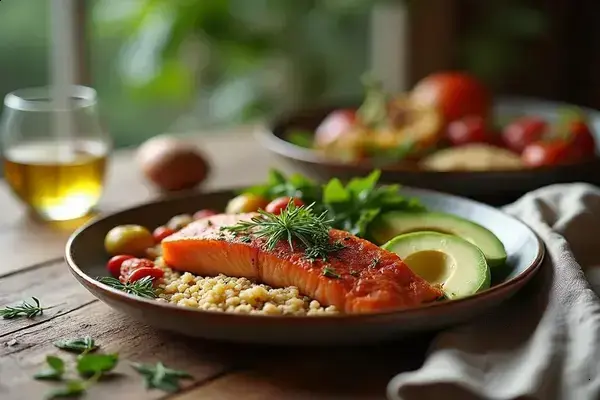
- Fatty Fish: Salmon, sardines, and mackerel are loaded with omega-3s, proven to lower C-reactive protein (CRP), a marker of inflammation, according to the American Heart Association.
- Leafy Greens: Spinach, kale, and Swiss chard offer magnesium and polyphenols—tiny plant compounds that help cool your system from the inside out.
- Berries: Blueberries, strawberries, blackberries—all loaded with antioxidants called anthocyanins linked to better joint comfort and healthy aging.
- Olive Oil: Extra virgin olive oil is rich in oleocanthal, a natural anti-inflammatory similar to ibuprofen, but without harsh side effects.
- Nuts & Seeds: Walnuts, almonds, flaxseeds, and chia support your immune response and keep cravings (and blood sugar spikes) in check.
- Turmeric: Thanks to curcumin, adding a pinch to soups or smoothies helps most when paired with black pepper for absorption.
- Cruciferous Veggies: Broccoli, cauliflower, and Brussels sprouts naturally boost your liver’s detox power and decrease inflammatory enzymes.
💡 Pro Tip: According to Harvard’s School of Public Health, pairing whole grains like quinoa or brown rice with plant-based proteins helps maintain steady blood sugar—key to reducing your body’s overall inflammatory burden day after day.
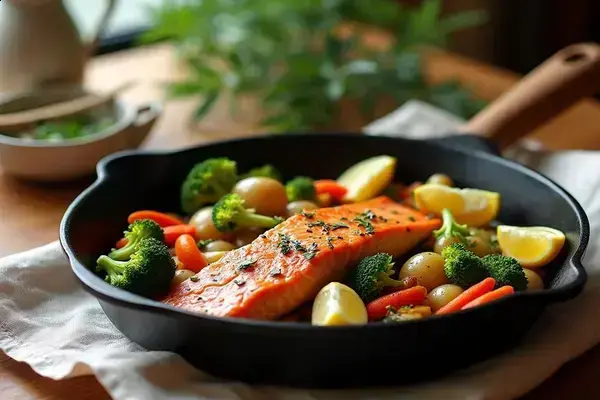
In practice: picture this scenario—James, a busy creative, preps a week’s worth of lunches with grilled salmon, roasted broccoli, and a handful of walnuts on a bed of mixed greens. He swaps out mayo-based dressings for a homemade mix of olive oil, turmeric, and lemon juice. Just two weeks in, James notices fewer energy crashes and sharper mental focus after meals—he’s amazed by the subtle but steady improvements.
Comparison Table: Anti-Inflammatory Powerhouses
| Food | Key Nutrient | Bonus Benefit |
|---|---|---|
| Salmon | Omega-3 DHA/EPA | Heart & joint protection |
| Blueberries | Anthocyanins | Brain support & cell repair |
| Olive Oil | Oleocanthal | Reduces swelling/pain |
But there’s one detail most owners completely overlook until it’s too late…
Foods And Ingredients That Trigger Inflammation
Could your favorite snack be sabotaging your joints or mood? Many foods we reach for—out of habit or sheer convenience—are packed with hidden compounds that fan the flames of inflammation long after you finish eating.
- Refined carbohydrates: Think white bread, pastries, and sugar-laden cereals. These send your blood sugar on a roller-coaster and force your body to pump out excess insulin—making inflammatory responses much more likely.
- Processed meats: Bacon, sausages, and deli meats all contain nitrites, advanced glycation end products (AGEs), and excess sodium, which the World Health Organization warns can accelerate inflammatory diseases.
- Industrial seed oils: Vegetable oils like soybean, corn, and sunflower are heavy in omega-6 fats. While not all omega-6s are “bad,” a diet overloaded in them (compared to omega-3s) skews your immune balance in the wrong direction.
- Sugary drinks and snacks: Soda, energy drinks, candy bars—plenty of products hide enormous sugar loads behind fancy branding. According to the Centers for Disease Control and Prevention, excess added sugar is directly linked to higher inflammation markers.
- Deep-fried foods: Anything crispy from a fryer (fries, chips, chicken strips) is loaded with trans fats and acrylamides that disrupt gut health and stiffen your arteries over time.
⚠️ Important Warning: The Arthritis Foundation cautions that regular consumption of these foods can worsen flare-ups in chronic inflammatory conditions. If you have a disorder like rheumatoid arthritis or heart disease, talk to a healthcare professional before making drastic changes.
Comparison Table: Common Food Triggers
| Trigger Food/Ingredient | What Makes It Inflammatory? | Example Swaps |
|---|---|---|
| White Bread | Rapid glucose spikes | Whole grain bread |
| Bacon | Nitrites & saturated fat | Lean chicken breast |
| Corn Oil | Omega-6 imbalance | Extra virgin olive oil |
In practice: picture this scenario—Sophie loves quick breakfasts. She usually has toast with jam and a tall glass of orange soda before work. After tracking her diet and how she feels, she switches to whole wheat toast and berries, with a mug of green tea. By the end of the week, her afternoon headaches noticeably fade and her hands aren’t as stiff at night.
And this is exactly where most people make the most common mistake…
How To Structure Your Own Anti Inflammatory Meal Plan
Building your own anti inflammatory meal plan might sound intimidating at first—where do you even start, and how do you keep meals simple but powerful?
- Identify Your Must-Have Staples: List anti-inflammatory foods you enjoy and can easily get—think wild salmon, spinach, blueberries, brown rice, and extra virgin olive oil.
- Pick a Meal Structure: Decide how you want to organize your days. Most people find success with a simple framework: protein + veg + whole grain + healthy fat at lunch and dinner, fruit or nuts for snacks.
- Plan Meals and Snacks: Write 3–5 breakfast options, 5–7 lunch/dinner combos, and snack ideas. Rotate them so you’re not bored (and less likely to reach for processed foods).
- Shop and Prep in Advance: Make a detailed grocery list based on your picks. Set aside an hour on weekends to prep veggies, portion proteins, and make salad dressings or sauces in batches.
- Build a Flexible Template: On busy days, plug foods into your template—swap roasted chicken for salmon, lentils for quinoa, or kale for broccoli. Consistency with flexibility keeps your meals fresh and fun.
Sample Meal Plan Template
| Meal | Options | Prep Tips |
|---|---|---|
| Breakfast | Oats with berries Spinach omelet |
Prep overnight oats Pre-chop veggies |
| Lunch | Salmon salad Quinoa bowl |
Roast protein Store greens dry |
| Dinner | Chicken & broccoli Lentil stew |
Batch cook grains Freeze portions |
💡 Pro Tip: The Academy of Nutrition and Dietetics recommends prepping a week’s worth of anti-inflammatory meals in advance to reduce decision fatigue and lower your risk of last-minute takeout.
In practice: Picture this scenario—Brian sits down on Sunday night, pulls out a blank meal plan printable, and fills in the boxes with dinners he actually wants to eat. By having roasted veggies, pre-washed spinach, and salmon portions ready to go, he breezes through busy workdays. Instead of stressing about “what’s for lunch,” he’s free to focus on his health goals, one meal at a time.
Once this is in place, the rest of the routine falls into place naturally.
Your Path to Less Inflammation
If you take just one thing from this guide, let it be: you have the power to ease inflammation with each meal. The right foods can support healing, the wrong ones can hold you back, and structure makes the difference. Your anti inflammatory meal plan printable isn’t just a piece of paper — it’s a real tool to help you feel better, one bite at a time.
Before, it might have felt like inflammation was just “part of life.” But now, you know what to look for, what to eat, and how to plan easy, nourishing meals. You’re already more prepared than you were yesterday. Even small changes can add up to big relief and brighter days ahead.
What’s the first anti-inflammatory swap you’ll try this week? Tell us your plans — or your favorite meal idea — in the comments below!

Lauren Marie Collins is a meal planning enthusiast and nutrition writer dedicated to helping everyday people eat healthier, spend less, and actually enjoy the food they prepare. With a passion for practical meal prep systems and honest nutrition guidance, Lauren built this blog to make healthy eating feel simple, sustainable, and genuinely accessible for everyone.