You know that feeling when you open the fridge, hoping for dinner inspiration, and the only thing staring back is yesterday’s leftovers? It’s frustrating—nobody wants that end-of-day scramble.
Meal planning can easily feel like another chore in a packed week. Without a plan, you end up snacking too much or grabbing takeout, and somehow your groceries go to waste. It gets stressful, and honestly? It makes eating healthy way tougher than it should be.
With this 7 day meal plan printable free, you’ll have breakfasts, lunches and dinners set for the whole week. Everything’s mapped out, easy to follow, and adaptable for real life—so you can actually enjoy mealtime again. Ready to reclaim your evenings?
Why A 7 Day Meal Plan Makes Weekdays Easier
Is juggling work, family, and finding time to prepare healthy meals forcing you into last-minute takeout far too often? The truth is, meal chaos isn’t just inconvenient—it’s expensive, drains mental energy, and makes nutritious choices much harder than they need to be. A 7 day meal plan puts you squarely back in control of your week, and the benefits run a lot deeper than you might expect.
What makes a structured meal plan so transformative? You walk into each day knowing what’s for breakfast, lunch, and dinner—no mental wrestling, no emergency grocery runs. Suddenly, the temptation of convenience foods loses its grip, and eating well becomes part of your routine instead of a daily struggle.
💡 Pro Tip: The Academy of Nutrition and Dietetics recommends blocking 15 minutes each Sunday evening to map out your meals for the next week. This single habit reduces wasted groceries by up to 30% (USDA data).
Picture this scenario:
Monday morning arrives, and instead of scrambling to piece together leftovers, you reach for overnight oats you prepped the night before. Lunchtime isn’t a panicked dash to the nearest sub shop—instead, you’ve got a roasted veggie and quinoa bowl ready to go. Dinnertime? A slow-cooker chicken recipe is already waiting, filling your home with that comforting aroma as you finish the day’s work tasks.
- Reduces stress: No more daily “what’s for dinner?” panic.
- Saves money: Bulk buying and prep lead to lower food costs.
- Powers healthy eating: It’s easier to hit nutrition targets when meals are planned.
- Limits food waste: Use up what you buy—you’ll see the difference in your trash can each week.
And research from Harvard’s School of Public Health reinforces this: families who plan meals cook at home more, eat more vegetables, and report higher satisfaction with their diets. For anyone with specific health needs or dietary restrictions, a plan also makes it easier to check off every box. If you’re facing medical or nutritional needs, it’s always wise to review your plan with a registered dietitian for full peace of mind.
| Meal Plan Benefit | Impact On Your Week | Who Benefits Most |
|---|---|---|
| Budget Control | Saves $15–$50/week by reducing takeout | Families, students, busy professionals |
| Time Savings | Cuts daily meal prep down by 30–50% | Anyone with a hectic schedule |
| Nutrition | Ensures balanced meals with less effort | Those with wellness goals or dietary needs |
But there’s one detail most people completely overlook until it’s too late…
How To Personalize Your Meals Without Extra Fuss
Worried a meal plan means boring, cookie-cutter dishes that don’t reflect your tastes? Here’s the thing: customizing your weekly menu doesn’t have to mean extra work—or flavorless repetition. In fact, with just a few tweaks, you can create meals that actually excite you, save time, and still stick to your nutrition goals.
- Start with a Core Favorite: Think about the dishes your household already loves. Use those as foundational meals to build the rest of the week’s plan. Don’t reinvent the wheel!
- Pick a Protein Base: Choose main proteins—like chicken, tofu, lentils, or fish—that are easy to batch cook and remix across different recipes.
- Add Seasonal Veggies: Select produce that’s in season (cheaper and tastier), and swap them in for standard sides. Meal plans from the USDA recommend a vegetable with every lunch and dinner.
- Play with Sauces and Spices: Keeping just three or four essential seasonings on hand—think olive oil, garlic, soy sauce, lemon—lets you change flavors without complicated prep.
- Adjust for Dietary Needs: Gluten-free, dairy-free, or low carb? Substitute simple ingredients like cauliflower rice or oat milk so you don’t need to prepare totally separate dishes.
- Batch prep grains like quinoa or brown rice at the beginning of the week—it’s a baseline that’s super easy to match with different main courses.
- Freeze portions ahead and rotate them for variety, especially if your schedule is unpredictable.
- Block off one meal as a ‘surprise night’ to use up leftovers or test something new—adds flexibility and fun.
💡 Pro Tip: According to the Mayo Clinic, building a flexible meal template (one protein, one grain, two veggies) for each meal lets you swap ingredients stress-free as preferences or availability change. Just keep a few staple grocery items stocked, and you’ll never get bored.
In practice: picture this scenario—a family with one vegetarian, one meat eater, and a child with a nut allergy. By roasting a big tray of veggies, grilling both tofu and chicken, and serving everything with rice, everyone customizes their plate in minutes. No extra cooking, no stress, just different toppings for each person.
And this is exactly where most people make the most common mistake…
Breakfast Recipes That Actually Keep You Full
Ever notice how some breakfasts leave you hunting for snacks by 10 a.m., while others keep you fueled till lunch without even thinking about food? The answer isn’t just “eat more”—it’s about the right balance of nutrients and a little ingredient strategy. A truly filling breakfast mixes protein, healthy fats, and slow-digesting carbs that help curb cravings and level out your blood sugar for hours.
- Greek Yogurt Parfait: Layer unsweetened Greek yogurt with berries, chia seeds, and a drizzle of nut butter for a portable, protein-packed meal.
- Savory Oatmeal Bowl: Top cooked oats with sautéed spinach, an egg, and avocado. You’ll get fiber, protein, and healthy fats—exactly what research from the Cleveland Clinic recommends for all-in-one satisfaction.
- Veggie Egg Muffins: Bake eggs with chopped vegetables and cheese in a muffin tin. They’re quick to prep, easy to reheat, and a smart make-ahead option.
- Peanut Butter Banana Toast: Try whole-grain bread with natural peanut butter, sliced banana, and a sprinkle of seeds. This combo hits fiber and potassium goals.
- Overnight Chia Pudding: Soak chia seeds in milk or a non-dairy alternative overnight, then add fruit and nuts in the morning. No extra morning effort required.
💡 Pro Tip: The American Heart Association suggests adding a spoonful of flaxseed or a side of fruit to boost satiation and micronutrient content—even just a handful makes a difference.
In practice: picture this scenario—Monday’s the big presentation at work. You have a veggie egg muffin with a slice of avocado toast at 7 a.m. By noon, you’re still focused (and not thinking about lunch yet). The contrast: last week’s sugary pastry left you distracted and reaching for snacks in the break room by mid-morning. Quality beats quantity every time.
| Recipe | Key Satisfying Ingredient | Why It Works |
|---|---|---|
| Greek Yogurt Parfait | Skyr or Greek Yogurt | High protein manages hunger |
| Savory Oatmeal Bowl | Egg & Oats | Balance of protein and fiber |
| Peanut Butter Banana Toast | Peanut Butter | Fats + carbs = longer energy |
What actually works might surprise you…
Lunch And Dinner Ideas For Real-Life Schedules
How do you keep lunch and dinner healthy, satisfying, and doable—especially when real life doesn’t follow a perfect script? The truth is, even the most organized eaters get thrown off by late meetings, unexpected errands, or last-minute kids’ activities. That’s where recipes designed for flexibility, batch-cooking, and meal prep shine.
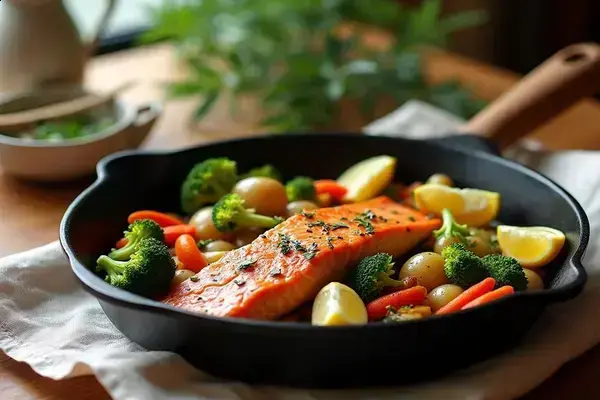
- One-Pan Chicken & Veggie Roast: Toss chicken, root veggies, and herbs on a sheet pan. Bake, divide, refrigerate, and reheat for effortless meals later in the week.
- Mason Jar Salads: Layer hearty greens, cooked grains, protein (like tuna, tofu, or cooked turkey), and your favorite dressing on the bottom. Grab and go—no sogginess, no excuses.
- Stir-Fried Brown Rice: Use day-old brown rice, frozen mixed veggies, and whatever protein is handy. Fast, filling, and ideal for using leftovers smartly (a trick the American Diabetes Association highlights for blood sugar stability).
- Slow Cooker Chili: Beans, ground turkey or beef, tomatoes, and spices cook while you’re busy. Portion and freeze for hectic days—it’s practically self-sustaining meal planning.
- Sheet Pan Fajitas: Bell peppers, onions, and lean beef or chicken baked together, perfect for stuffing into tortillas or topping salads all week long.
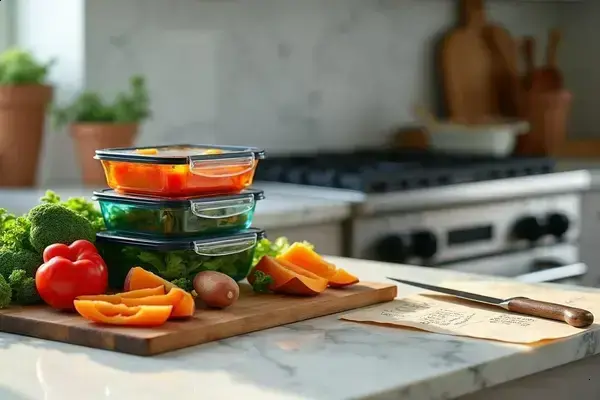
- Invest in sturdy glass containers and a basic meal prep bag to keep foods fresh wherever you are.
- Plan one “theme night” (like taco night, pasta night, or grain bowl night). That way, you can swap out proteins and veggies without boring repeats.
- If you’re new to meal prep, start with just one dinner and one lunch to batch each week—then scale up. Consistency is better than blowing out in week one.
💡 Pro Tip: The USDA’s MyPlate guidelines suggest aiming for one protein, at least two different veggies, and one whole grain in every meal. If you hit that, your blood sugar and satisfaction stay steady.
In practice: picture this scenario—a Monday evening where you’re wiped out from work, but there’s a prepped bowl of brown rice, chicken, and roasted veggies waiting in your fridge. No drive-thru. No debate. Dinner happens, and you barely have to think about it.
| Meal Idea | Time To Prep | Portion Flexibility |
|---|---|---|
| Sheet Pan Fajitas | 10 min prep, 20 min bake | Easy to double or halve |
| Mason Jar Salad | 8 min assembly | Single-serve, scale for family size |
| Slow Cooker Chili | 5 min, then hands-off | Freeze extra portions |
And this is exactly where most people make the most common mistake…
Printable: Your Free 7 Day Meal Plan Template
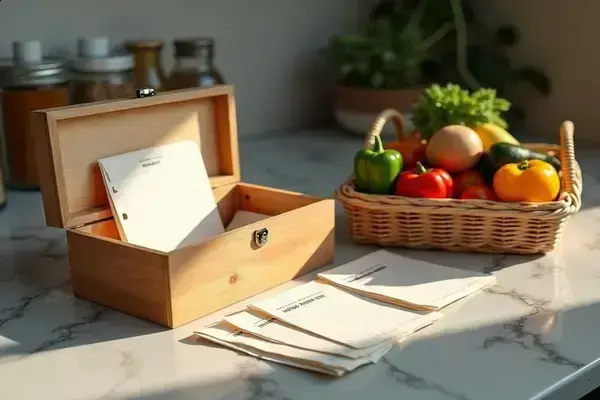
What makes a printable meal plan more than just a pretty list? Simple—it gives structure, removes guesswork, and offers the flexibility to adapt to genuine real-life changes. A great template lets you fill in meals for every day, build a synced grocery list, and jot down swaps for dietary restrictions or last-minute cravings without starting from scratch.
- Weekly Overview: Seven rows (one for each day), with columns for breakfast, lunch, dinner, and snacks—so you get an at-a-glance roadmap.
- Grocery List Section: Organized by produce, pantry, proteins, and extras for stress-free shopping.
- Personalization Space: Dedicated area for dietary notes, allergies, and family favorites—makes tweaking your plan painless.
- Prep/Batch Cooking Box: Check off what you’ll prep ahead: grains, proteins, chopped veggies, or sauces. Streamlines your Sunday night.
💡 Pro Tip: The CDC recommends organizing grocery lists by store section to cut shopping time by up to 20% and reduce impulse buys. Add your own aisle notes to this template to supercharge your routine.
- Download or print your template.
- Fill in meals for each day—one week at a time.
- Use the Grocery List to plan and purchase only what you truly need.
- Update the Personalization space if anyone’s dietary needs change (think gluten-free swaps or allergy notes).
- Post your completed plan somewhere visible—on the fridge or inside a cabinet—for easy reference all week.
In practice: picture this scenario—Sunday evening, you sit down with your printable, a cup of tea, and a handful of favorite cookbooks. You map out dinners, jot down what’s on sale this week, and plan one slow-cooker night for your busiest evening. The template is your anchor—not a rigid rulebook. The right habits in place now make everything easier from here.
| Template Section | Purpose | Tip for Customization |
|---|---|---|
| Meal Grid | Organizes daily meals | Use colors for theme nights |
| Grocery List | Simplifies shopping prep | Organize by store layout |
| Notes Box | Tracks dietary needs | Add reminders for rotating favorites |
Your Week Is Finally Under Control
Planning meals doesn’t have to be overwhelming—or boring. If you take just one thing from this 7 day meal plan printable free guide, let it be: prepping even a little can save you time, stress, and money all week. You’re equipped with smart strategies, foolproof recipes, and a printable that actually fits your real life.
Maybe last week felt like a scramble: rushing out the door, buying lunch you didn’t really want, or falling back on late-night takeout. Now you know exactly what’s coming up, and you’ve got meals ready for real-life curveballs—no more guessing, no more wasted food. It’s less stress, more confidence, and better eating starting today.
What part of meal planning still feels tricky for you—picking recipes, shopping, or fitting it around your schedule? Let us know in the comments so we can tackle it together!

Lauren Marie Collins is a meal planning enthusiast and nutrition writer dedicated to helping everyday people eat healthier, spend less, and actually enjoy the food they prepare. With a passion for practical meal prep systems and honest nutrition guidance, Lauren built this blog to make healthy eating feel simple, sustainable, and genuinely accessible for everyone.