Picture this: It’s 6:30 p.m., you’re tired, hungry, and there’s nothing obvious to cook—except maybe a squishy tomato and a half-empty box of pasta. Ever been there? You’re not alone. The real difference between a rushed, unsatisfying meal and a nourishing dinner often comes down to what you’ve got stashed in your pantry.
Running out of healthy ingredients means quick meals get replaced by expensive takeout, random snacks, or just plain frustration. And each time, you promise yourself you’ll stock up smarter—only to forget until it happens again. It’s a cycle so many of us know too well, and honestly, it gets old fast.
Here’s the good news: with a healthy pantry staples list printable at your fingertips, you’ll always have what you need for tasty, nutritious meals—no stress, no second-guessing. Ready to transform your kitchen routine? Let’s get into the essentials you’ll want to keep on hand.
Why Stocking Healthy Pantry Staples Changes Everything
You might wonder: does it really matter if your pantry’s well-stocked or just a jumble of half-used bags and dusty cans? Short answer — absolutely. The way you stock those shelves determines if you can whip up a crave-worthy, nutritious meal at a moment’s notice or wind up stress-eating chips straight from the bag.
Here’s the thing: a thoughtfully organized pantry crammed with healthy essentials is more than just convenient. It’s the foundation for delicious home cooking, saving you money, time, and even willpower. Study after study — like the Academy of Nutrition and Dietetics highlights — shows that people who plan and stock their staples are way less likely to waste food, overspend at the store, or fall back on pricey takeout.
💡 Pro Tip: Keep your healthiest, fastest-cooking staples on the middle shelf — eye level means you’re more likely to actually use them when hungry and tired.
Picture this scenario: You’re racing in from work, totally wiped. You glance in your pantry and immediately spot quinoa, canned chickpeas, and some diced tomatoes right on the shelf. Toss them together with a little olive oil and dried basil — dinner’s ready before you can even think about a drive-thru. That’s the real power of pantry prep.
| Situation | With Staples Stocked | With Empty Pantry |
|---|---|---|
| Last-Minute Meals | Wholesome options in minutes | Default to takeout or processed snacks |
| Unexpected Guests | Pulled-together meal, no panic | Frantic dash to the store |
| Budget-Friendly | Buy in bulk, less waste | Repeat store trips, overspending |
It’s worth noting: if you have dietary restrictions or chronic health conditions, always check with your registered dietitian or healthcare provider to customize your staple list for your needs.
But there’s one detail most home cooks overlook until it’s too late — the pantry only saves your sanity if you build it with the right foundational foods…
How To Build A Balanced Pantry Foundation
So, how do you transform a cluttered shelf into a source of real meal power? The truth is: a balanced pantry foundation isn’t just about tossing random healthy foods into a cart. It’s about curating versatile, nutrient-dense ingredients that support everything from weeknight dinners to last-minute snacks.
Nutrition experts at the Harvard T.H. Chan School of Public Health recommend stocking whole grains, lean proteins, heart-healthy oils, and a rainbow of shelf-stable vegetables and fruits. Why? Because diversity in your staples equals more meal combos — and better overall nutrition.
💡 Pro Tip: Rotate your pantry staples every two to three months. Pull items forward, check best-by dates, and use up older packages for truly fresh results every time.
Here’s a practical approach to setting up your foundation:
- Pick Your Core Grains: Choose whole grains like brown rice, quinoa, oats, and whole-wheat pasta. These are budget-friendly and work in breakfasts, lunches, and dinners.
- Stock Up on Shelf-Stable Proteins: Keep beans, lentils, canned tuna or salmon, and nut butters. They’re protein powerhouses that last for months.
- Add Healthy Fats: Opt for extra virgin olive oil, avocado oil, and a selection of unsalted nuts and seeds. These contribute flavor and essential fatty acids.
- Include Flavor Enhancers: Don’t forget spices, herbs, vinegars, low-sodium broths, and a couple jars of salsa or tomato paste. These turn basics into real meals.
- Stash Shelf-Stable Produce: Diced tomatoes, canned artichokes, olives, no-salt-added vegetables, and even dried fruit fill nutrition gaps and rescue uninspired recipes.
In practice: imagine a rushed Wednesday night. You grab a can of black beans, whole-wheat tortillas, some jarred salsa, and olive oil. In less than 10 minutes, you have a fiber-rich, filling meal — and you didn’t even pre-plan it.
- Whole Grains: brown rice, quinoa, oats, whole-wheat pasta
- Canned/Dried Beans and Lentils: black beans, chickpeas, red lentils
- Proteins: canned tuna, salmon, nut butters, tofu (shelf-stable)
- Healthy Fats: extra virgin olive oil, avocado oil, raw nuts, seeds
- Flavor Boosters: dried herbs, spices, vinegars, salsa, tomato paste
- Produce: diced tomatoes, olives, artichoke hearts, canned pumpkin
Save the grain mixes and gluten-free replacements for dietary needs — it’s better to build your foundation around items used most often, then layer in specialty products as needed.
And this is exactly where most people make the most common mistake… they skip one key category that unlocks almost endless meal flexibility. Ready to see what most pantries are missing?
Essential Grains, Beans And Proteins To Always Have
Ever stood in your kitchen, staring into the pantry, and thought: what actually counts as a true staple when you want to eat healthy, fast? It’s easy to get lost in the endless choices — but there are a handful of ingredients that truly pull their weight meal after meal.
According to the U.S. Department of Agriculture, whole grains and a variety of proteins should form the backbone of any nutritious pantry. Why? Because they’re budget-friendly, shelf-stable, and offer plenty of cooking versatility. Let’s break down the real MVPs of the healthy pantry world.
- Whole Grains: Brown rice, quinoa, rolled oats, barley, and whole-wheat pasta. These pack fiber, B vitamins, and keep you feeling full.
- Beans and Lentils: Canned or dried black beans, chickpeas, lentils, kidney beans. These plant proteins are iron-rich and perfect for soups, salads, or quick stews.
- Proteins: Canned tuna, salmon, and even protein-packed tofu (silken or shelf-stable varieties available). Low-sodium nut butters add flavor and healthy fats too.
In practice: picture this scenario—it’s Sunday night, you forgot to shop, but you spot canned lentils, a pouch of brown rice, and some frozen spinach in the back of your freezer. Fifteen minutes later, you’ve got a hearty, fiber-rich bowl that’s just as satisfying as takeout (but way better for your wallet and energy levels).
| Staple | Nutritional Benefit | Top Use Case |
|---|---|---|
| Quinoa | Complete protein, rich in magnesium | Salads, grain bowls |
| Black Beans | High fiber, plant protein | Tacos, stews, wraps |
| Canned Tuna | Omega-3 fatty acids, lean protein | Quick salads, sandwiches |
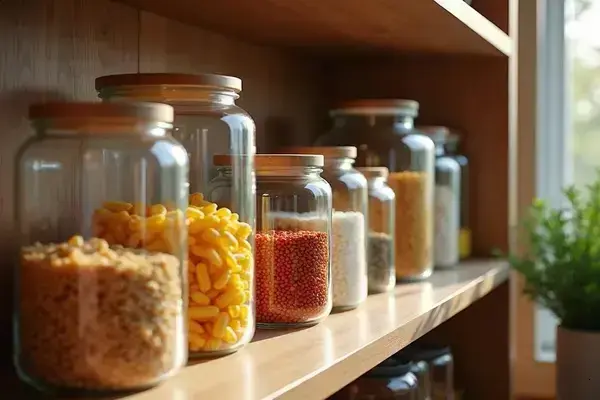
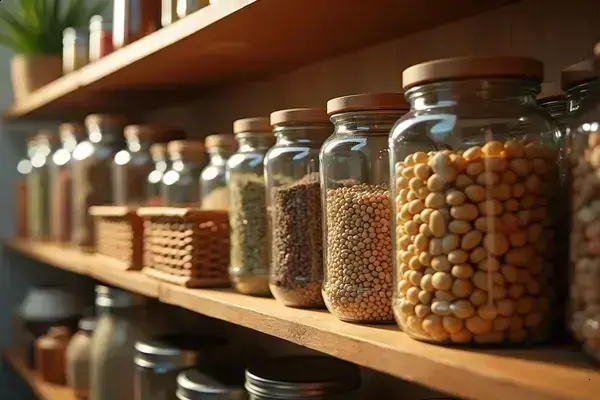
💡 Pro Tip: If you want the longest shelf life (and most savings), buy grains and legumes in bulk from reputable sources like Bob’s Red Mill or health food co-ops. Store them in airtight glass jars away from heat or moisture.
Don’t stress about fancy superfoods — nailing just these basics lets you build hundreds of healthy meals with minimal effort. What actually works might surprise you…
Flavor Powerhouses: Spices, Oils And Condiments You Need
What’s the real secret behind never-boring, fast healthy meals? It’s not fancy chef skills — it’s stocking the right flavor powerhouses. The truth is, you can turn the most basic beans-and-rice combo into something craveable if you’ve got the essentials on hand.
- Oils: Extra virgin olive oil, avocado oil, and toasted sesame oil bring both richness and nutrition. Pick oils that suit your cooking style: olive for dressings, avocado for high heat, sesame for bold Asian-inspired dishes.
- Spices: Smoked paprika, cumin, garlic powder, Italian herbs, chili flakes, and curry powder are all-stars. Even a pinch can wake up the most basic pantry meal.
- Condiments: Low-sodium soy sauce, Dijon mustard, balsamic vinegar, tahini, and jarred salsa add layers of taste — all without relying on empty-calorie sauces.
💡 Pro Tip: Store spices in airtight glass containers, away from direct light, to keep their flavors fresh for up to a year. The American Spice Trade Association recommends replacing ground spices every 6-12 months for best taste and antioxidant content.
In practice: let’s say you walk in the door, tired, with no plan and barely 15 minutes to cook. You rinse a can of chickpeas, toss them in a pan with olive oil, smoked paprika, cumin, and a spoonful of salsa. Suddenly, it’s not just ‘beans’ — it’s a protein-packed topping ready for any grain, salad, or warm pita pocket. The difference is all in those tiny jars and bottles you barely think about.
| Flavor Booster | Best Use | Pro Tip |
|---|---|---|
| Extra Virgin Olive Oil | Drizzling, sautéing | Look for cold-pressed, dark glass bottle |
| Curry Powder | Soups, beans, rice | Blend with coconut milk for instant sauce |
| Balsamic Vinegar | Salad dressings, glazes | Add a splash to roasted veggies |
Don’t hesitate to try global flavor staples — they often elevate your basics and support more diverse, plant-forward meals without extra calories or sodium. And this is exactly where most people make the most common mistake: they overlook how just a few flavor boosters turn any pantry from bland to brilliant…
Your Ultimate Healthy Pantry Staples Printable Checklist
Ever wish you could grab a single list—no apps, no guesswork—and instantly know what to stock for stress-free, healthy eating? That’s exactly why a printable pantry checklist is a game-changer. You get clarity (and peace of mind) every time you plan a meal or shop.
- Download or print your checklist. Keep it on the fridge, inside a cupboard door, or with your reusable grocery bags—whatever spot gets seen the most.
- Review your pantry before shopping. Use a pencil to quickly check off anything you’re low on, running out of, or want to rotate based on freshness.
- Update the list monthly. Consider dietary changes, seasonal preferences, or new household members to keep your pantry truly working for everyone.
- Customize for your needs. Add your favorite gluten-free products, extra plant-based staples, special kids’ snacks, or allergy-friendly alternatives so your checklist always fits your lifestyle.
- Share with the family. Encourage others to circle what’s missing or what they’d like more of—it makes healthy eating easier for everyone, especially when you’re juggling a busy week.
| Checklist Section | Examples | Update Frequency |
|---|---|---|
| Whole Grains | Oats, brown rice, quinoa | Biweekly |
| Proteins | Lentils, canned beans, tuna | Monthly |
| Flavor Boosters | Spices, olive oil, vinegars | Every season |
| Shelf-Stable Produce | Diced tomatoes, olives, raisins | As used |
💡 Pro Tip: Print two copies—keep one as a master, and use the second for regular check-ins or grocery runs. The Academy of Nutrition and Dietetics notes that visible, easy-to-mark lists help households reduce food waste and overspending.
In practice: picture this scenario—it’s Saturday morning, and you’re glancing at your printed checklist before heading to the store. You spot three empty items, jot them down, and forty-five minutes later, you’re unpacking healthy staples that’ll make dinner easy all week. The right habits in place now make everything easier from here.
Your Kitchen’s Effortless New Rhythm
If you take just one thing from this healthy pantry staples list printable guide, let it be: a well-stocked, thoughtfully organized pantry makes fast, nutritious meals easy—anytime, for anyone. Start with balanced grains and proteins, add bold spices and oils, and use your checklist as your new secret weapon.
Remember how last-minute meals used to mean stress, uncertainty, or unhealthy takeout? Now you’ve got everything ready—in reach and in sight. You can whip up satisfying dishes on busy nights, impress surprise guests, and feel more in control. Tiny pantry upgrades add up to less hassle and more healthy choices. You’re ready for it.
What’s the one staple or shortcut that completely changed your kitchen routine? Share your favorite pantry find or best healthy swap in the comments. Your tip could make the next dinner even easier for someone else!

Lauren Marie Collins is a meal planning enthusiast and nutrition writer dedicated to helping everyday people eat healthier, spend less, and actually enjoy the food they prepare. With a passion for practical meal prep systems and honest nutrition guidance, Lauren built this blog to make healthy eating feel simple, sustainable, and genuinely accessible for everyone.