Imagine staring into your fridge, eyeing a forgotten carton of eggs or a yogurt pushed far to the back. That tiny printed date suddenly seems like it holds your entire dinner—and possibly your weekend—hostage. Which should you trust more: your nose, your instincts, or the numbers?
We’ve all been there. The stress of tossing out “expired” food can add up fast, costing real money (not to mention the guilt over wasted groceries). On the other hand, nobody wants to risk getting sick. So, how do you actually know what’s safe and what’s not?
By the time you finish reading, you’ll have a down-to-earth, practical handle on food expiration dates how long foods last. No more second-guessing in the kitchen—just clear answers to help you prevent waste and keep your next meal stress-free. Ready for the truth about food dating myths?
Understanding Expiration, Sell-By, And Best-By Labels
Ever been baffled by a maze of dates stamped on your groceries? You’re not alone. Expiration, sell-by, and best-by labels actually serve totally different purposes—yet most shoppers treat them as the same hard stop.
Let’s break them down: expiration dates are the only labels that indicate when food should be discarded for safety reasons, according to the U.S. Food and Drug Administration (FDA). If something is past its expiration date, it’s not safe to consume, period. On the other hand, sell-by tells retailers how long to display a product for inventory control, not when it becomes dangerous. Best-by (or Best if Used By) is about quality, not safety — food often remains safe after this point but may taste a bit different.
💡 Pro Tip: Most dairy products still taste great (and are safe) a few days past their sell-by date, but trust your senses—sour smell, weird texture, or mold means it’s time to toss it. The USDA recommends not ignoring visible signs of spoilage even if the date seems okay.
Quick Label Comparison
| Label Type | Meaning | Is Food Unsafe After? |
|---|---|---|
| Expiration Date | Last day food is safe to eat | YES — discard after this date |
| Sell-By Date | For store inventory, not safety | NO — often still safe at home |
| Best-By Date | Best quality before this day | NO — quality drops, but usually safe |
Picture this scenario: you grab a can of beans marked “best by last week.” Do you panic? Not necessary! According to the USDA’s Food Safety and Inspection Service (FSIS), canned goods can last months or years beyond the best-by date if stored properly—quality drops first, but true spoilage is rare unless the can is dented, bulging, or rusted.
The truth is, mixing up these labels leads to a ton of unnecessary food waste and confusion. Understanding official terms can save you money, prevent health risks, and keep your kitchen confidence high.
But there’s one detail most owners completely overlook until it’s too late: how temperature and storage conditions can drastically change how long those dates really matter…
How Long Common Fresh Foods Actually Last
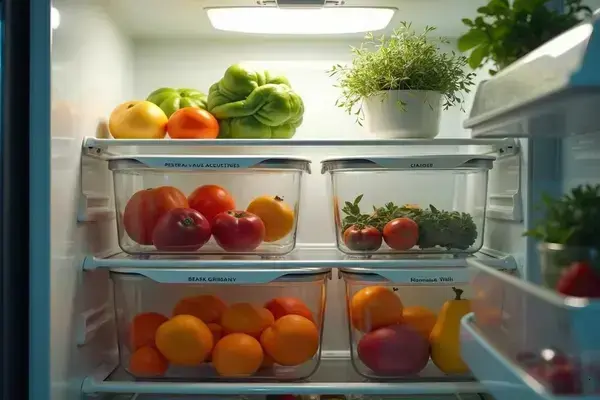
You know that sinking feeling when you open the fridge and wonder, “Is this still good?” Figuring out how long your fresh foods really last is a constant puzzle—and there’s more to it than just reading the date.
Storage conditions, moisture, and handling habits all play a huge role in how quickly food spoils. The USDA reminds us that even if something looks fine, the risk of foodborne illness increases the longer it sits around, even in top storage.
⚠️ Important Warning: While most fresh foods last longer than we think, never taste-test questionable items. When in doubt, check guidance from the Food Safety and Inspection Service or consult a health professional for special dietary concerns.
Shelf Life Cheat Sheet: Fresh Essentials
| Food | Refrigerator | Counter/Room Temp |
|---|---|---|
| Milk | 5-7 days after opening | 2 hours max |
| Eggs | 3-5 weeks | Best kept cold |
| Chicken (Raw) | 1-2 days | N/A |
| Beef (Raw) | 3-5 days | N/A |
| Berries | 3-7 days | 1-2 days |
| Lettuce/Greens | 5-7 days | 1-2 days before wilting |
Picture this scenario: you grab a pack of strawberries on Sunday, thinking you’ll snack on them all week—but by Wednesday, mold spots have already appeared. Berries are notorious for short shelf life because high moisture content speeds up spoilage, especially if washed before storing. For best results, hold off rinsing until you’re ready to eat.
- Leafy greens last longer sealed in airtight containers with a paper towel to absorb extra moisture.
- Eggs can easily outlast their sell-by dates—store them on a shelf, not the fridge door.
- Dairy like yogurt stays safe a few days after expiration if unopened and properly chilled.
The USDA and FDA both recommend keeping your refrigerator at or below 40°F (4°C) to slow bacteria growth. Some smart fridges even alert you when temps go above safe levels—worth considering if you buy in bulk or have a big family.
What actually works might surprise you—because not all shelf-life myths are created equal. When it comes to frozen and shelf-stable foods, get ready to check what you thought you knew at the door…
Frozen And Shelf-Stable Foods: What Surprises Most People
Ever pulled a bag of frozen veggies from the back of your freezer and wondered if it’s still good? Here’s the twist—frozen and shelf-stable foods often last far longer than most people assume. Brands invest big in packaging solutions and food safety research to keep these items fresh, but there are some surprises you’ll want to know.
- Frozen vegetables and fruits, according to the USDA, stay safe indefinitely if kept constantly below 0°F, but quality starts to slip after 8-12 months as flavors dull and textures dry out.
- Canned goods (think beans, corn, tuna) remain safe for years, yet best flavor is within 2-5 years if stored in a cool, dry pantry.
- White rice and pasta? Sealed away from humidity, they can last over 4-5 years—brown rice won’t, since its oils go rancid after just 6 months to a year.
💡 Pro Tip: Always check for damage to packaging—dented cans, bulging lids, or frosty ice crystals are red flags. The USDA says swollen or leaky cans can harbor Clostridium botulinum, a rare but serious health risk.
Picture this scenario: it’s late, you’re craving soup, and you eye a can of tomatoes in your pantry that’s several years past the “best by” date. Should you risk it? As long as the can isn’t damaged and it passes the basic sniff-and-look test, you’re usually fine. Texture and color may fade, but safety rarely does unless the seal is compromised.
Frozen & Shelf-Stable Foods Shelf Life Table
| Food | Typical Shelf Life | Storage Guidelines |
|---|---|---|
| Frozen Broccoli | 8-12 months | Keep at 0°F |
| Canned Beans | 2-5 years | Cool, dry pantry |
| White Rice | 4-5 years | Sealed from moisture |
| Pasta | 2 years | Airtight container |
| Canned Tuna | 3-5 years | No dents/rust |
| Brown Rice | 6-12 months | Dark, cool space |
The National Institutes of Health stresses that while most shelf-stable items are safe for an impressively long time, flavor and texture are what fade—true spoilage is rare without obvious packaging failure. Be cautious with home-canned goods and always err on the side of safety when packaging is compromised.
And this is exactly where most people make the most common mistake: thinking all foods act the same. Up next, you’ll learn how to spot actual warning signs—no matter what the label says…
Signs Food Has Really Gone Bad (Beyond The Date)
Ever noticed how some foods look perfectly fine past the date, while others turn funky long before? The true signs a food’s gone bad almost never appear in print—they’re right in front of you.
Here’s the thing: expiration dates offer guidance, but your senses are the ultimate safety tool. Spoilage bacteria can change the way food looks, smells, and feels. Pathogens—like salmonella or listeria—don’t always make food look bad, which is why safe handling is crucial no matter what.
- Look: Check for mold (green, black, white fuzzy spots), odd color changes, and surface slime—on cheese, lunch meats, or fruits.
- Smell: A sour, rancid, or “off” odor? Trust your nose, especially with milk, leftovers, fresh meats, and produce.
- Texture: Unexpected stickiness, mushiness, or separation (like curdled milk or slimy greens) are often early warning signs.
- Sound: Unusual fizzing or popping when opening canned and jarred goods? That’s a big red flag, suggesting fermentation or contamination.
- Taste: If you taste anything strange, don’t keep eating—even in small amounts, spoilage bacteria can be harmful.
⚠️ Important Warning: Color and texture alone aren’t always enough. According to the Centers for Disease Control and Prevention, listeria, E. coli, and other harmful bacteria can be present in foods that appear normal. When in doubt, consult a healthcare or food safety professional—especially for infants, elderly, pregnant women, or anyone with immunity issues.
In practice: picture this scenario—leftover chicken in the fridge smells a little sour, but it’s only one day past the date. Do you chance it? This is the moment when safety trumps thrift. That “just a little off” odor could be a microbial warning flare, not just a sign it’s less fresh.
Quick Reference: Visual and Sensory Signs
| Sign | Potential Cause | Safe To Eat? |
|---|---|---|
| Green/White Fuzzy Mold | Mold growth | No |
| Sour/Rancid Smell | Spoilage bacteria, fats oxidizing | No |
| Sticky/Slippery Texture | Bacterial slime | No |
| Unusual Fizz/Pop (in cans) | Fermentation, gas buildup | No |
| Slight Separation (in yogurt) | Normal | Yes, if no smell |
And honestly? This is exactly where most people make the most common mistake—discarding food that’s actually fine and keeping food that’s quietly gone bad. Next, you’ll discover simple, science-backed strategies to reduce waste and protect your health…
Simple Strategies To Reduce Waste And Keep Food Safe
If you’ve ever felt that sting of tossing out food you “meant to use,” you’re not alone. The truth is: a handful of easy habits can slash waste and give you far more confidence around what’s really safe to eat.
- Prioritize with a “first in, first out” method—move older foods to the front when unloading groceries, so you use them before newer purchases disappear underneath.
- Label leftovers and containers with the date you cooked or opened them. Even a sticky note keeps you from playing guess-and-sniff later.
- Plan your meals in advance, using what’s on hand (especially perishables) before buying more. This limits overbuying and cuts costs every week.
- Check your fridge temp regularly—aim for 40°F (4°C) or below. Invest in a digital fridge thermometer for accurate readings if your appliance’s gauge seems unreliable.
- Store smart: keep produce in humidity-controlled drawers, and stash airtight containers toward the back where temps are coldest and most stable.
💡 Pro Tip: Freeze surplus food in single-meal portions. According to the Environmental Protection Agency, freezing stops spoilage in its tracks and makes it easy to thaw only what you’ll use, reducing impulse takeout costs and midweek waste.
Picture this scenario: you pull out a container of soup from last week, see the clear date on top, and know instantly—yes, still good to eat. Not only does this save you money, but it also means you’re less likely to risk foodborne illness or make a panicked last-minute grocery run.
- Compost scraps and unavoidable waste to keep it out of landfills and return nutrients to the soil. Many cities now offer curbside compost pick-up, so it’s easier than ever to start.
- Share extras—neighbors, friends, or local food pantries can often use what you can’t finish before it spoils.
The USDA’s FoodKeeper App is a great mobile tool for tracking shelf life and safe storage. Small steps, repeated consistently, make the biggest difference over time.
Your Kitchen Confidence Starts Here
If you take just one thing from this guide, let it be: understanding food expiration dates how long foods last makes your life easier, safer, and less wasteful. Focus on what each label means, trust your senses for signs of spoilage, and use simple routines to keep both your budget and your health on track.
Before, those little dates caused confusion or worry—and probably cost you more food and money than you realized. Now, you know what matters. You can spot freshness, store foods smartly, and avoid the stress of guesswork. Small tweaks mean less waste and more peace of mind every single day.
Which of these food-saving strategies will you try first in your kitchen? Share your plans or best storage tricks in the comments—we’re all ears!

Lauren Marie Collins is a meal planning enthusiast and nutrition writer dedicated to helping everyday people eat healthier, spend less, and actually enjoy the food they prepare. With a passion for practical meal prep systems and honest nutrition guidance, Lauren built this blog to make healthy eating feel simple, sustainable, and genuinely accessible for everyone.