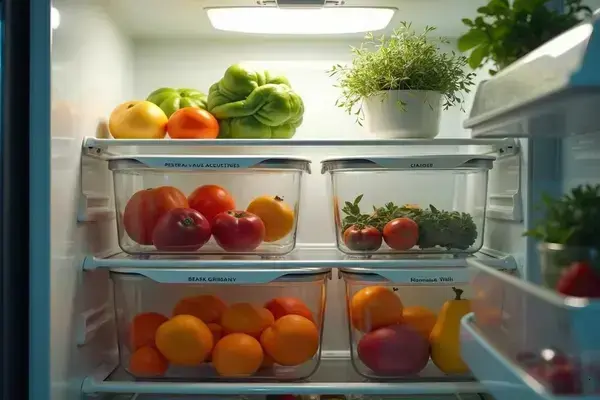
Ever walked out of a wholesale store with a mountain of stuff, only to realize half of it expires before you’re even close to using it up? Trust me, you’re not alone—there’s a reason those giant carts seem like a good idea until you’re tossing wilted lettuce or stale rice months later.
Here’s the thing: bulk buying can feel like a smart savings hack, but go overboard or choose the wrong items and you’re just pouring time and money down the drain. Frustration hits when you realize you’ve lost track of what’s edible, or you’re forced to eat the same snack every day for weeks, just to avoid waste.
Stick with me and by the end, you’ll have a bulk buying guide what to avoid and a crystal-clear sense of what’s always worth stocking up—and what’ll just leave you disappointed. Let’s see if anything in your pantry needs a rethink.
Common Mistakes People Make With Bulk Buying
It’s easy to feel like a savvy shopper when you load up your cart at a warehouse club — but the truth is, even seasoned deal hunters fall victim to some seriously expensive bulk buying mistakes. Why do so many end up with piles of unused goods (or worse, wasted money)? Spoiler: It’s rarely because of the sticker price.
The first classic blunder is “buy now, regret later” syndrome. You spot a giant bag of snacks or dozens of yogurt cups on sale, and your inner calculator tells you it’s a no-brainer. But the real math happens at home — and it can be ugly. Overbuying perishables leads to spoilage, while buying non-essentials in bulk often just equals clutter.
💡 Pro Tip: Before grabbing anything in bulk, ask: “Would I use this up before it spoils if I didn’t get it on sale?” The Consumer Reports Grocery Shopping Guide says that 40% of food waste comes from impulse bulk purchases — especially with dairy, produce, and baked goods.
- Misjudging shelf life: Not all products last as long as you think. Flour, nuts, and even cleaning supplies have expiration dates most shoppers overlook.
- Chasing discounts, not needs: Bulk deals on rare “treat” items or experimental products often backfire. You get bored long before the box is empty.
- Ignoring storage space: Buying more than your pantry (or freezer) can handle leads to chaos — and sometimes lost items that expire in the back corner.
- Assuming ‘bigger is always cheaper’: Price per unit isn’t always superior in family packs, especially with frequent promotions at grocery chains. Industry studies from the Food Marketing Institute confirm that multipack unit pricing is often within $0.10 of smaller package deals outside of warehouse clubs.
Picture this scenario: You spot a 50-pack of granola bars at a discount warehouse and do the mental math — less than half the price of singles at the grocery store. At home, your family tires of the flavor after five days. The box lingers for weeks until you finally pitch the last stale bars. That “deal” just turned into thrown-away dollars and wasted space.
| Mistake | Short-Term Impact | Long-Term Consequence |
|---|---|---|
| Overbuying perishables | Spoiled food, wasted money | Bad habits and trust lost in bulk deals |
| Ignoring real consumption patterns | Cluttered shelves | Difficulty tracking pantry items |
| Buying for price, not for need | Unused “bargain” goods | Overspending and clutter |
And honestly? The most financially savvy bulk buyers aren’t the ones with the biggest carts. They’re the ones who know their limits, track what their household truly uses, and only stock up when it genuinely makes sense — not just when the price tag shouts “deal!”
But there’s one detail most owners completely overlook until it’s too late…
Best Products To Buy In Bulk And Why They Work
Ever wonder why some households seem to save a fortune buying in bulk — while others just end up with spoiled food or decades-old paper towels? The truth is, not every product is a smart bulk buy. But certain staples almost always justify the upfront investment, and knowing which ones can tip the scales in your favor.
What’s the secret? Shelf life, daily use, and price stability. Bulk purchases work best when products don’t spoil quickly, are used consistently, and aren’t often found cheaper with sales elsewhere. Choose right, and you’ll save money, time, and quite a bit of hassle in the long run.
- Paper Goods: Toilet paper, paper towels, and facial tissues rarely expire and offer true cost-per-unit savings. Bulk packages from trusted brands like Scott or Bounty deliver steady quality, and you’ll always have backups in a pinch.
- Dry Pantry Staples: Items like rice, dried beans, oats, pasta, and flour have extended shelf lives when stored properly. According to the United States Department of Agriculture (USDA), most can last up to a year if kept dry and cool.
- Cleaning Supplies: Multi-purpose cleaners, dish soap, and laundry detergent — especially concentrated formulas from brands like Tide and Seventh Generation — are safe to stockpile. These are items you’ll reliably use, and buying larger jugs or refill packs often brings the unit price way down.
💡 Pro Tip: For the best results, check product packaging for proper storage suggestions. Even long-lasting goods like rice and flour are best kept in airtight containers. The USDA FoodKeeper App is a free tool for tracking safe storage times and tips.
| Product | Why Bulk Works | Ideal Storage |
|---|---|---|
| Toilet Paper | Low risk of spoilage, always needed | Dry area, shelf or closet |
| Rice & Beans | Long shelf life, versatile | Airtight jar, pantry |
| Laundry Detergent | Uses up at steady pace, real savings | Sealed container, cool spot |
In practice: imagine buying a year’s worth of pasta or detergent on sale at a warehouse club. Each time you need it, it’s right there — no last-minute trips, no running out, no panic. Over twelve months, you could free up dozens of hours (and quite a few dollars) versus regular single-item shopping sprees.
What actually works might surprise you…
Surprising Items You Should Never Buy In Large Quantities
Think buying more always means saving more? Not so fast. Some of the most tempting products at bulk warehouses and big box stores are also the ones most likely to waste your money — and honestly, sometimes even compromise your safety or health. The culprit? Shelf life, hidden spoilage, and real-life consumption patterns that don’t match intentions.
- Spices: Almost everyone has tossed out an oversized jar of oregano or paprika a year later, still 80% full. Spices lose potency within six to twelve months, according to the Institute of Food Technologists. Bulk jars generally outlast your usage, turning flavorless long before you run out.
- Cooking Oils: Large bottles of vegetable or olive oil seem economical, but most rancidify within three to six months after opening. Even premium brands aren’t immune. The USDA recommends buying smaller bottles unless you’re running a restaurant at home.
- Cosmetics and Sunscreen: These have expiration dates most people overlook. Large packs expire before they’re used up — and with sunscreen, that can leave you unprotected. For safety, the Food and Drug Administration suggests checking dating before purchasing multiples.
⚠️ Important Warning: Bulk buying dairy, eggs, or fresh bread rarely works out unless you have specific plans for rapid use or freezer space. Food Safety and Inspection Service studies show most household food waste comes from buying perishables in quantities too large to use safely.
| Product | Typical Issue | Smarter Buy |
|---|---|---|
| Spices | Lose potency, wasted money | Small containers |
| Oils | Go rancid, possible health risk | Pint-bottles or split bulk |
| Flour | Bugs/moisture, spoils faster than you think | Split-pack or buy as needed |
In practice: imagine stocking up on a mega-can of ground cinnamon, convinced your morning oats will justify it. Months later, it tastes like dust. Meanwhile, a giant bottle of olive oil sits near your stove, turning bitter just as you get halfway through. The discount? Gone. And the risk of expired products is real — especially with things you put on your skin or eat raw.
And this is exactly where most people make the most common mistake…
How To Store Bulk Purchases So Nothing Goes To Waste
You’ve finally found those unbeatable deals on pantry staples and household essentials — but what’s the point if half of it spoils or gets stale before you use it? The right storage can make or break your savings.
- Assess your storage space before shopping. Don’t overbuy if your pantry, freezer, or cabinets are already nearing capacity. Make room first, so nothing sits forgotten at the back.
- Transfer goods to airtight containers. Bulk rice, flour, or snacks last far longer in BPA-free plastic or glass containers. Exposure to air or pests can ruin your savings quickly.
- Label everything with a purchase or open date. Stickers or permanent markers work great. It’s much easier to use up the oldest products when you can see at a glance what needs attention.
- Freeze what won’t be used soon. Many bulk-bought items — think shredded cheese, bread, even cooked beans — can be portioned and frozen. According to the USDA, freezing is one of the most effective ways to extend both quality and safety.
- Organize by expiration date or “first in, first out.” Place older products toward the front and fresher stock behind. This simple trick is used by grocery pros for a reason—less waste, more savings.
- Required items for optimal storage:
- Airtight containers (plastic, glass, silicone)
- Freezer bags
- Labels/markers
- Clear shelves or stacking bins
💡 Pro Tip: Regularly check your bulk inventory (at least once a month) to spot anything nearing expiration. The Food Safety and Inspection Service recommends using an inventory checklist for best results — anything close to expiring can often be incorporated in a weekly meal plan.
In practice: imagine coming home with a jumbo pack of brown rice. Instead of letting the opened bag flop about in the back of a cabinet, you decant it into a sealed jar, write the month on top, and stack it with other grains. Months later, your rice is just as fresh as purchase day, and you’re not stuck tossing anything out.
But there’s one detail most owners completely overlook until it’s too late…
Warning Signs You’re Falling Into Bulk Buying Traps
How do you know when your bulk shopping habits are crossing the line from truly smart savings to hidden money drains? It’s trickier than you think — and the warning signs can sneak up fast, especially when warehouse clubs and online retailers make it so easy to buy in quantity.
- Overflowing storage spaces: If your pantry, linen closet, or freezer is constantly jammed and it’s a mini-adventure every time you need something, that’s a red flag.
- Regularly tossing out expired goods: Noticing more half-used jars, stale crackers, or freezer-burned meat than you care to admit? You might be buying too much for your actual needs.
- Impulse purchases based on “deals”: If special promotions or “limited time only” offers feel irresistible — and you end up with items you rarely use — your bulk strategy needs a reality check.
- Forgetting what you have: Duplicates abound because you lose track of your inventory. It happens more than you’d think, especially with household essentials or condiments.
⚠️ Important Warning: The Federal Trade Commission cautions that even well-intentioned shoppers can get trapped chasing “savings” while actually spending more overall. Track what you use, and don’t be afraid to hit pause on bulk hauls if you notice waste climbing.
| Warning Sign | Immediate Impact | Long-Term Cost |
|---|---|---|
| Overflowing pantry | Clutter, frustration | Lost goods, wasted money |
| Frequent waste | Guilt, spoiled food | Reduced trust in bulk deals |
| Lost inventory | Extra trips, unnecessary purchases | Inefficient spending habits |
Picture this scenario: You score a membership deal at a warehouse club. At first, you’re thrilled. But by month three, your shelves are bursting, family routines haven’t changed, and your “huge savings” are buried under a heap of forgotten snacks and freezer-burned produce. It happens to the best of us — but awareness is your first defense.
The right habits in place now make everything easier from here.
Your Smartest Bulk Buys Start Here
If you take just one thing from this bulk buying guide what to avoid, let it be: true savings come from buying only what you’ll actually use, storing it right, and knowing when “more” isn’t really better. The best deals pay off only when they work for your real life.
Maybe before, your pantry felt overstuffed and your good intentions wound up as wasted money or food. Now you’ve got a simple blueprint: buy wisely, avoid costly traps, and organize so nothing goes to waste. You’re in control—and your wallet and home will show the results.
Which bulk-buying win (or lesson learned) sticks out most for you? Share your story in the comments—let’s help each other shop smarter!

Lauren Marie Collins is a meal planning enthusiast and nutrition writer dedicated to helping everyday people eat healthier, spend less, and actually enjoy the food they prepare. With a passion for practical meal prep systems and honest nutrition guidance, Lauren built this blog to make healthy eating feel simple, sustainable, and genuinely accessible for everyone.