Ever stared at your fridge, wishing you could magically whip up delicious dishes that actually make you feel good? The Mediterranean diet isn’t just a trend — it’s literally been ranked the world’s healthiest way to eat for years (U.S. News & World Report, 2024). But knowing what to put on your plate each day? That’s where most people hit a wall.
If you’ve tried to “eat healthier” before, you know how fast overwhelm sets in: a million contradictory rules, nothing you actually crave, and that weird stress of not wanting to mess it all up. No one has time for a cookbook’s worth of confusion. And honestly? Staring at another day’s empty lunchbox can leave anyone feeling stuck.
Take a breath — you’re about to get a clear, done-for-you mediterranean diet meal plan printable with real meals anyone can pull off. Think easy grocery lists, tasty recipes, and practical swaps. Ready for food that feels as good as it tastes? Let’s dive in.
What Makes The Mediterranean Diet So Healthy?
What’s the secret behind the Mediterranean diet’s reputation as the world’s healthiest way to eat? It goes way beyond olive oil and a few salads. At its core, this lifestyle is packed with nutrient-dense foods — think ripe tomatoes, creamy Greek yogurt, mountains of fresh herbs, and those famous golden-green olives — all stacked in your favor for better health.
Here’s the thing: scientists have been studying Mediterranean eating patterns for decades, and the results aren’t vague. According to the Harvard T.H. Chan School of Public Health, populations eating this way have lower rates of heart disease, certain cancers, and even neurodegenerative conditions like Alzheimer’s. They also tend to live longer and healthier lives. It’s not magic — it’s a mix of antioxidant-rich veggies, healthy fats, lean proteins, and whole grains working together, meal after meal.
💡 Pro Tip: For optimal heart health, swap butter or margarine for extra virgin olive oil. The American Heart Association highlights this single daily habit as a key driver of reduced cholesterol and inflammation risk.
Picture this scenario: You’re choosing between a typical grab-and-go lunch (fluffy white bread, salty deli meat, and a can of soda) or a Mediterranean-inspired power plate — whole-grain pita, grilled chicken, crunchy cucumber salad, and a drizzle of olive oil. The first leaves you sluggish by mid-afternoon. The second provides steady energy, fiber, and protective nutrients that actually make your body work better over time. That daily difference adds up fast.
| Core Food Group | Mediterranean Diet | Traditional Western Diet |
|---|---|---|
| Fats | Extra virgin olive oil, nuts, seeds | Butter, margarine, processed oils |
| Proteins | Fish, legumes, moderate dairy | Red/processed meats, cheese-heavy |
| Carbs | Whole grains, beans, vegetables | Refined grains, sugary snacks |
The truth is, you don’t have to live on a Greek island to bring these benefits into your life. Every single swap builds resilience — and that’s what makes this diet so powerful.
But there’s one detail most people overlook that quietly sabotages their healthy intentions every time…
Essential Foods To Add To Your Pantry Today
If you want your Mediterranean diet meal plan to stick, it all starts with what you keep just a few steps from your stove. Is your pantry set up for success, or is it slowing you down — and tempting you off track?
- Extra Virgin Olive Oil: The cornerstone of Mediterranean flavor and nutrition — for finishing, dressings, sautéeing.
- Canned Tomatoes: San Marzano, romas, or simple crushed — use them for rich sauces, quick soups, and stews any night.
- Chickpeas (Garbanzo Beans): For classic hummus or quick protein in salads and soups. Canned is fine; dried if you have time.
- Whole Grains: Think farro, brown rice, quinoa, and bulgur — all are simple to prep and full of fiber.
- Oats: Great for breakfast or baking, supporting steady energy and gut health.
- Nuts and Seeds: Almonds, walnuts, pine nuts, and chia — for healthy fats and crunch in salads or yogurt bowls.
- Spices: Stock cumin, cinnamon, oregano, and black pepper for that bold, layered Mediterranean taste.
💡 Pro Tip: Keep small jars of olives, capers, or sun-dried tomatoes on your shelves. They pack umami punch and instantly elevate simple dishes, saving you from a boring meal.
Picture this scenario: You come home after a slammed Tuesday, zero dinner plan, and open your pantry. If you’ve organized it Mediterranean-style, you can toss together a jar of chickpeas, canned tomatoes, and whole grain couscous, finish with olive oil and fresh herbs, and have a restaurant-quality meal in less than 20 minutes. There’s no need to stop for take-out or scramble for processed freezer foods — your pantry’s got you (and your meal plan) covered.
| Pantry Staple | Why It Matters | Best Use |
|---|---|---|
| Olive Oil | Heart-healthy fat, flavor base | Drizzle on salads, roasted veggies |
| Chickpeas | Plant protein, fiber boost | Soup thickener, easy spreads |
| Whole Grains | Sustained energy, nutrients | Pilafs, grain bowls, lunch prep |
According to Oldways, a nonprofit food and nutrition organization, keeping your pantry “Mediterranean-ready” makes healthy eating nearly effortless. But what actually works might surprise you…
Step-By-Step Guide To Planning Your Weekly Meals
Ever felt paralyzed by the question, “What’s for dinner this week?” Building a Mediterranean meal plan isn’t about following strict rules — it’s about creating a rhythm you’ll actually look forward to. The difference? Predictability, not boredom.
- Pick Your Main Proteins: Start with lean, Mediterranean classics: salmon, chicken breast, white fish, lentils, or chickpeas. Plan for 2-3 fish or seafood meals per week as recommended by the American Heart Association.
- Fill in Vegetables for Every Day: Choose seasonal, colorful options — peppers, eggplant, spinach, tomatoes, broccoli. Aim for variety and prep extra for future lunches.
- Choose Whole Grains: Whole grain bread, brown rice, quinoa, or bulgur anchor your meals. Cook in batches and refrigerate for easy assembling.
- Add Healthy Fats: Use extra virgin olive oil and a handful of nuts or seeds in salads and bowls. These boost satiety and absorb nutrients from veggies.
- Plan Simple Breakfasts & Snacks: Think Greek yogurt with fruit, overnight oats, or hand-held fruit & nut combos.
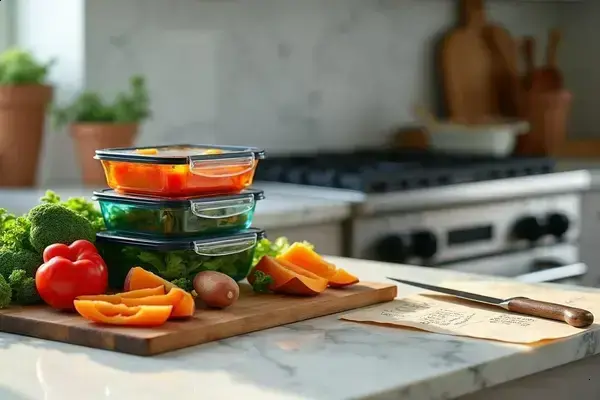
- Write Your Menu: Map out dinners for the week on paper or a digital meal planning app. Mark a “leftovers” or “clean out the fridge” night to save money and reduce waste.
- Make Your Grocery List: Organize by category (produce, protein, dairy, pantry) for fast, stress-free shopping.
- Lean fish fillets
- Boneless chicken breast
- Whole grain rice or pita
- Chickpeas or lentils
- Fresh greens and colorful vegetables
- Greek yogurt
- Assorted nuts and seeds
- Extra virgin olive oil
⚠️ Important Warning: If you have specific nutritional needs, allergies, or a medical condition, check with a registered dietitian before changing your diet plan.
In practice: Last Sunday afternoon, Anna grabbed her favorite notepad, opened her fridge, and jotted down three simple Mediterranean dinner ideas: grilled salmon with spinach salad, chickpea stew with brown rice, and oven-roasted chicken with tomatoes. She shopped once, prepped some veggies, and spent less than 30 minutes gathering and portioning. Her week? Smooth, delicious, and budget-friendly.
But here’s where most meal plans unravel — the swaps and substitutions you’ll actually need in real life…
Swaps And Substitutions For Real Life
Worried you can’t pull off a true Mediterranean meal plan because that “perfect” ingredient isn’t on your shelf? Real life rarely goes by the book — and honestly, swapping is where flexibility meets flavor.
- Out of olive oil? Use avocado oil for high-heat cooking — it’s rich in monounsaturated fats and has a mild taste.
- No fresh fish around? Canned tuna or sardines in olive oil are budget-friendly and packed with omega-3s.
- No Greek yogurt? Plain low-fat yogurt works great for breakfast bowls and tzatziki. Just avoid sugary commercial brands.
- Allergic to nuts? Toasted pumpkin seeds or roasted chickpeas give you a satisfying crunch and healthy fats.
- Can’t handle gluten? Whole grain brown rice or gluten-free quinoa easily replace wheat-based pastas and couscous.
💡 Pro Tip: Small swaps add up. According to the Cleveland Clinic, replacing even a few animal-based meals per week with plant-based dishes delivers major cardiovascular benefits — so don’t stress perfection.
| Original | Easy Swap | Why It Works |
|---|---|---|
| Greek Yogurt | Plain low-fat yogurt | Similar protein, less sugar |
| Orzo or Pasta | Bulgur, quinoa, or chickpea pasta | Higher fiber, gluten-free options |
| Walnuts or Almonds | Pumpkin seeds, sunflower seeds | Nut-free, crunchy, still nutrient-rich |
In practice: Picture this scenario — you get home late, look in the fridge, and your carefully planned salmon is gone. Five minutes in, canned tuna, brown rice, and yesterday’s roasted vegetables become a Mediterranean bowl. You didn’t “fail” the plan; you made it work for your reality.
And this is exactly where most people make the most common mistake…
Printable Mediterranean Diet Meal Plan And Shopping List
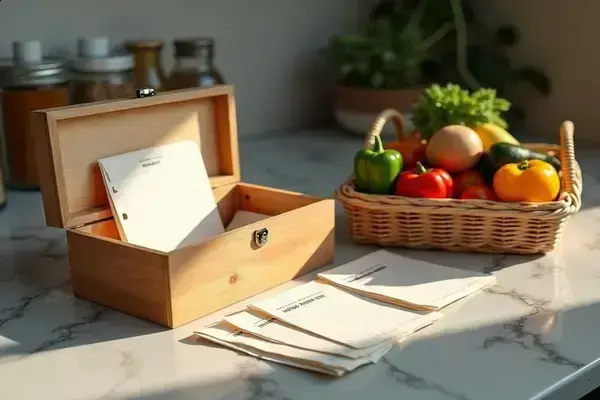
What if you could walk into the week with every meal mapped out and every grocery item already checked off—instead of staring blankly at open cabinets? That’s the magic of a printable Mediterranean diet meal plan and shopping list. Done right, it does more than save you time. It helps you eat better, spend less, and skip the stressful guessing game at 6:00 PM.
What’s Inside the Printable?
- 7-day dinner plan: Main meals, sides, and a few easy lunch swaps.
- Grocery list (by category): Produce, proteins, grains, dairy, pantry, and extras—nothing essential left off.
- Snack & breakfast builder: Mix-and-match ideas to keep routines fresh throughout the week.
- Notes section: Room to jot allergies, substitute ideas, or seasonal produce swaps.
💡 Pro Tip: Keep your printed meal plan on the fridge or inside a clear sleeve. Oldways, a leading nutrition nonprofit, recommends updating it each weekend—just circle or cross out meals as you go for instant accountability.
| Day | Main Meal | Shopping Focus |
|---|---|---|
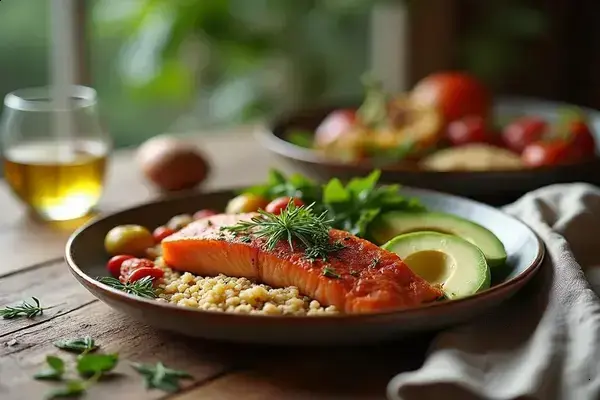
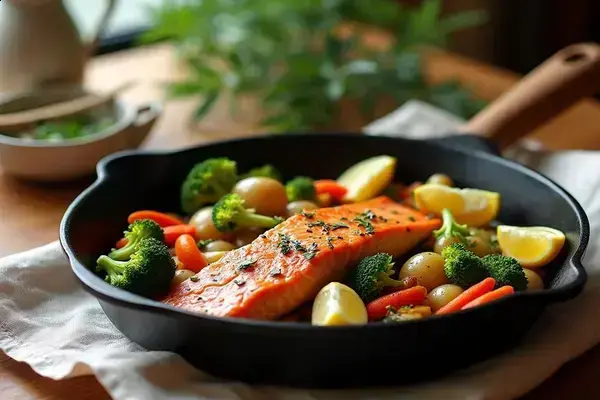
| Monday | Grilled salmon, farro, spinach salad | Salmon, farro, leafy greens |
| Wednesday | Chickpea stew, brown rice, roasted carrots | Chickpeas, brown rice, carrots |
| Friday | Stuffed peppers, whole wheat pita | Bell peppers, ground turkey, pita |
In practice: Picture this scenario—the Sunday rush at the store. Instead of impulse buys, you work from your printout, cutting aisles in half and skipping junk foods. Once home, the week feels lighter (and your wallet definitely notices too). The printout stays where you see it, so healthy choices aren’t buried under takeout menus. And if life throws a curveball, you can adjust quickly—just check off what you used and reprint for next week.
Once this is in place, the rest of the routine falls into place naturally.
Your Healthiest Week Starts Here
If you take just one thing from this guide, let it be: planning and prepping Mediterranean meals is way simpler—and more fun—than you thought. With pantry staples, practical swaps, and a ready-to-use mediterranean diet meal plan printable, you’ve unlocked a path to better eating that really fits busy modern life.
Before, healthy eating felt confusing and out of reach. Now, you can walk into any week with real confidence, knowing exactly what’s on your menu and how to shop. It doesn’t have to be perfect—one small step, one meal at a time, is all it takes to move closer to your goals. You really can do this.
Which Mediterranean meal or pantry swap is at the top of your list to try first? Share your pick and any questions in the comments—your story could inspire someone else!

Lauren Marie Collins is a meal planning enthusiast and nutrition writer dedicated to helping everyday people eat healthier, spend less, and actually enjoy the food they prepare. With a passion for practical meal prep systems and honest nutrition guidance, Lauren built this blog to make healthy eating feel simple, sustainable, and genuinely accessible for everyone.