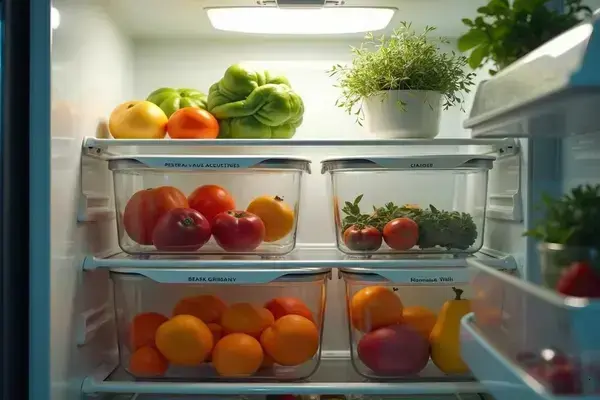
Ever stared at a pile of bland tomatoes in January and wondered why dinner feels tasteless? It’s not just your imagination — eating out of season can make meals dull both in flavor and nutrition. Picture the difference: biting into a sun-ripened strawberry in June versus a pale, watery one in winter. The taste isn’t even close.
The problem is, most of us never learned which fruits and veggies actually belong to each month. The result? Grocery trips that steal time and money, shelves filled with produce that’s been shipped so far it’s lost its spark, and a kitchen that never quite feels in sync with nature. If you’ve ever felt stuck in a recipe rut or wasted food because it’s gone bad too fast, you’re not alone.
By the end, you’ll have a seasonal eating guide printable chart that shows you exactly what’s fresh every month, plus a few insider secrets for shopping and cooking in rhythm with the seasons. Ready to rediscover what flavor really means? The next section opens the door.
Why Seasonal Eating Matters For Your Health And Wallet
You might wonder, does eating seasonally actually make a real difference in your daily life—or is it just a trendy buzzword chefs and health gurus love? The answer is both simpler and more powerful than you’d expect. When you build meals around what’s ripe and local, you’re unlocking better flavor, superior nutrition, and real, lasting savings for your budget.
Here’s the thing: produce picked at its natural peak packs more vitamins, minerals, and antioxidants than fruits or veggies trucked in from halfway across the world. According to the USDA, spinach loses over 50% of its vitamin C within a week of harvest—so if it’s sitting on those winter shelves for days, you’re not getting what you paid for. Plus, in-season options are almost always less expensive because they’re abundant and don’t incur the overhead of cold storage or shipping.
💡 Pro Tip: Shopping the farmers’ market or produce section for what’s “on sale” often means you’re nabbing peak-season flavor and nutrient retention—without realizing it. The Environmental Working Group recommends this strategy to boost both taste and savings.
How Seasonality Benefits Your Body (And Taste Buds!)
Picture this scenario: You’re craving strawberries in February, so you grab a box shipped from a different continent—bland, mealy, and doubly expensive. In June? Sun-warmed, local strawberries burst with sweetness for half the price. You’re not just saving money—you actually want to eat healthier foods because they taste good for once!
| Season | Typical Produce | Average Cost Savings |
|---|---|---|
| Spring | Asparagus, peas, radishes | 15–30% vs. off-season |
| Summer | Berries, zucchini, tomatoes | 20–40% vs. imports |
| Fall | Squash, apples, Brussels sprouts | 10–25% over winter stock |
| Winter | Citrus, carrots, kale | Up to 20% vs. hothouse produce |
Beyond flavor and costs, choosing seasonal produce often means fewer pesticides and chemicals—since local crops don’t require as much preservative processing to survive long trips. The Centers for Disease Control and Prevention highlight this as a subtle but powerful way to cut chemical exposure for families, especially young kids.
In practice: one reader, Maya, switched to buying only seasonal veggies for a month. Not only did her grocery bill drop by $22—but she found herself actually enjoying new dishes instead of defaulting to the same bland rotation. The side effect? Her kids ate double the greens, with less drama.
But there’s one detail most shoppers completely overlook until it’s too late…
How To Quickly Identify What’s In Season Each Month
If you’ve ever stared at a pile of sad-looking imported peaches in February or paid a premium for limp asparagus in November, you know the struggle is real—what’s actually in season, anyway? Many shoppers simply guess or grab what looks best, but a little insider knowledge saves money and guarantees fresher, tastier meals. The truth is: quickly spotting true seasonal produce isn’t as hard as it sounds.
- Check Your Region’s Seasonal Chart: Use a reliable printable chart (many are available from local agricultural extensions or the USDA) to get a month-by-month produce overview customized for your state or area.
- Scan Store Signage and Pricing: When a fruit or vegetable is suddenly everywhere and on special, chances are it’s in-season locally. Supermarkets feature what’s abundant and cheap for a reason.
- Visit Local Farmers’ Markets: Market stands are seasonal by nature—they can only sell what’s harvesting nearby. Expect specialties like ramps in spring and pumpkins in fall.
- Learn a Few Signature Clues: Hard stone fruits and berries dominate summer, while squash and root veggies shine in the cooler months. Citrus peaks during winter, and you’ll find leafy greens refreshed in spring and autumn.
- Use Smartphone Apps for Backup: Tools like Seasonal Food Guide and What’s in Season (developed by GRACE Communications Foundation) let you search by zip code and even offer recipes for current picks.
- Printable Chart
- Pen for notes
- Farmers’ market access (optional)
- Smartphone (for app backup)
💡 Pro Tip: Mark your favorite seasonal produce on your fridge chart each month to inspire smarter, more exciting meal planning. According to the Academy of Nutrition and Dietetics, habitually shopping by season can improve dietary diversity in just a few months.
Comparison Table: Quick Ways to Identify What’s in Season
| Method | Speed | Best For |
|---|---|---|
| Printable Chart | Immediate reference | At-home planning |
| Farmers’ Market Visit | 15–30 minutes | Hands-on learning |
| App Search | Seconds | On-the-go shoppers |
In practice: Imagine you’re headed to the store in mid-April. You quickly glance at your kitchen’s seasonal chart—hello, asparagus, radishes, and early strawberries! At the market, piles of shiny radishes and fresh asparagus confirm what the chart predicted.
What actually works might surprise you…
Tips For Buying The Freshest Produce At Local Markets
Ever find yourself excited at the farmer’s market, only to walk away with limp spinach or rock-solid peaches? Knowing how to spot truly fresh produce can be the difference between a bland meal and a showstopper.
Here’s the thing: local markets offer an abundance of high-quality options, but only if you look closely—timing and a few insider tips matter. Before you grab your next handful of carrots or head of lettuce, let’s break down what really works for freshness.
- Look for Vibrant Colors: Deep green spinach, glossy tomatoes, bright carrots—all signs of high nutrient levels and minimal aging.
- Check for Firmness: Gently squeeze produce; it should feel heavy and solid for its size, not mushy or hollow.
- Inspect Stems and Leaves: Wilted, yellowed, or slimy greens and cut stems indicate the produce isn’t at its peak.
- Smell the Produce: Ripe fruit gives off a sweet fragrance—if it smells like nothing, it may taste like nothing.
- Shop Early or Late: Early hours offer the best selection; later in the day, some vendors discount goods, but freshness can be hit or miss.
💡 Pro Tip: Don’t be shy—ask growers when and how items were picked. According to the University of California Agriculture and Natural Resources, produce harvested that same morning delivers the highest levels of nutrients and flavor.
Quick-Check Table: Spotting Peak Freshness
| Produce Type | Freshness Clue | What to Avoid |
|---|---|---|
| Leafy Greens | Crisp, perky leaves | Yellow, wilted edges |
| Stone Fruit | Slight give at stem | Hard or shriveled skin |
| Root Vegetables | Firm, bright skin | Wrinkled, soft spots |
| Berries | Uniform color, sweet aroma | Mold, damp packaging |
Picture this scenario: It’s late June, and you’re eyeing strawberries at two booths. One batch is shiny, plump, and smells like summer—the other looks faded and tired. Trust your senses and go for the vibrant, fragrant ones. You’ll taste the difference in every bite.
And this is exactly where most people make the most common mistake…
Simple Ways To Prep And Cook Seasonal Ingredients
When you bring home that haul of crisp veggies or ripe fruit, you might feel a mix of excitement—and a little anxiety. How do you make the most of what’s fresh before it wilts or gets lost in your fridge? Here are some easy, pro-approved ways to prep and cook seasonal ingredients that keep meals simple but bright with flavor.
- Wash and Dry Thoroughly: Gently rinse greens, berries, or root veggies under cool water. Dry with a salad spinner or towel—excess moisture means quicker spoilage.
- Sort and Store: Keep firm produce like carrots and apples in a high-moisture crisper, but let ripe tomatoes or stone fruit breathe at room temperature until ready.
- Prep Basics in Advance: Chop carrots, peel squash, or trim beans when you unpack groceries. Prepped ingredients are easier to use on busy nights.
- Try Quick Cooking Methods: Seasonal items shine roasted (think asparagus or root veg), lightly sautéed, or even raw—spring greens and summer tomatoes need very little to pop.
- Batch and Freeze: Have too much? Blanch veggies, then freeze in usable portions. Berries and chopped herbs freeze well too.
In practice: Imagine you’ve scored a bundle of rainbow chard, plump peaches, and new potatoes one Saturday. As soon as you get home, you wash the chard, slice the peaches, toss the potatoes in olive oil, and roast them for dinner. The fresh flavors are unreal—and prep feels fast because everything’s ready to go.
💡 Pro Tip: Don’t overthink seasoning. Add just salt, pepper, and a splash of extra-virgin olive oil—the USDA’s dietary guidelines back this approach for keeping nutrients (and taste) intact.
- Salad spinner or clean kitchen towels
- Sharp chef’s knife and cutting board
- Olive oil, salt, pepper
- Sheet pan or sauté pan
- Freezer-safe containers (for extras)
Worth noting: if you have health restrictions, food allergies, or special nutrition needs, consult a registered dietitian for safe ingredient substitutions.
And this is exactly where most people make the most common mistake…
Downloadable Seasonal Eating Printable Chart For Everyday Use
Have you ever opened your fridge, stared at a pile of produce, and wondered what meals you could actually enjoy with what’s in season? That’s where a downloadable seasonal eating printable chart steps in—giving you instant clarity, meal inspiration, and less food waste in seconds.
This chart typically features month-by-month columns, listing which fruits, vegetables, and herbs are freshest and most affordable at any point in the year. Some charts even add color-coding for peak availability, family-friendly ingredients, and quick-cook ideas, making planning a breeze. You’ll usually find these charts offered by nutrition organizations like the Academy of Nutrition and Dietetics, or government resources such as the USDA.
- Print out and stick the chart on your fridge or pantry door for easy reference.
- Highlight your family’s favorites or dietary staples directly on the page—many charts are customizable with markers or sticky notes.
- Use the chart while grocery shopping: snap a photo or keep a folded copy in your bag to check what’s in season before you buy.
- Update the chart seasonally if your region’s options change (some printable charts allow for easy notes and adjustments).
💡 Pro Tip: For anyone meal prepping, consider laminating your printable so it can handle splashes or sticky hands in the kitchen. The Harvard T.H. Chan School of Public Health recommends visual, flexible tools for habit-building around nutrition.
Sample Structure: What to Expect from Your Printable Chart
| Month | Best Produce | Quick Recipe Idea |
|---|---|---|
| January | Citrus, kale, carrots | Winter salad with citrus vinaigrette |
| April | Asparagus, radishes, strawberries | Spring veggie stir-fry |
| August | Tomatoes, peaches, corn | Grilled peach and tomato salad |
| November | Brussels sprouts, squash, apples | Roasted root veggie medley |
In practice: Imagine a busy parent prepping lunches on Sunday afternoon. With a glance at their seasonal chart, they know exactly what’s at its peak and what to look for at the store. The right habits in place now make everything easier from here.
Seasonal Eating Is Simpler Than You Think
If you take just one thing from this seasonal eating guide printable chart, let it be: eating fresh, in-season foods each month can boost your health, save money, and actually make meal planning easier. You’ve learned why seasonality matters, how to spot what’s fresh, tips for scoring the best produce, and you now have a practical chart to rely on.
Before, grocery shopping and weeknight dinners could feel overwhelming and random. Now, you have a clear path—what’s in season is right there on your fridge, simplifying choices and adding more flavor to your table. It doesn’t have to be complicated. You’re already better prepared than most shoppers out there.
What’s the first fruit or veggie you’re excited to use with your new chart? Tell us in the comments—let’s inspire each other to eat fresh all year long!

Lauren Marie Collins is a meal planning enthusiast and nutrition writer dedicated to helping everyday people eat healthier, spend less, and actually enjoy the food they prepare. With a passion for practical meal prep systems and honest nutrition guidance, Lauren built this blog to make healthy eating feel simple, sustainable, and genuinely accessible for everyone.