Picture this: you’ve finally nailed your weekly meal prep, but by Wednesday, your roasted veggies taste like plastic, and your salad has wilted into a sad puddle. Sound familiar?
Choosing the wrong container can sabotage even the best cooking efforts—leading to wasted time, soggy food, and that annoying moment your soup leaks all over your bag. When you’re juggling work, family, and healthy eating, it’s more than just an inconvenience. It’s enough to make you rethink bringing lunch from home altogether.
By the time you finish, you’ll know exactly which containers keep flavors crisp, what won’t stain after curry night, and how to pick the right vessel for every meal. You’ll walk away with foolproof meal prep container guide tips that transform your weekly cooking routine. Ready for your food to taste as good on Friday as it did on Sunday? This is where things get real.
How Container Materials Affect Taste And Freshness
Ever bitten into leftover pasta only to notice a strange plastic taste, or opened your meal prep salad to find it’s wilted and dry? The truth is, the material of your meal prep container can make or break the flavor and texture of your food—sometimes in ways you don’t realize until lunchtime.
Each container material interacts with food differently. Glass is prized for its non-porous surface, meaning it won’t absorb odors or impart strange flavors—even after multiple uses. Stainless steel, on the other hand, keeps food cold longer and is resistant to staining, but it isn’t microwave-safe. Meanwhile, plastic containers are lightweight and affordable, but lower-quality versions can leach chemicals or retain the scent of last week’s chili—nobody wants that surprise on salad day.
💡 Pro Tip: According to the U.S. Food & Drug Administration (FDA), always check if plastic containers are labeled as BPA-free and food-safe to avoid chemical migration—especially when reheating.
How Materials Compare for Taste and Freshness
| Material | Best For | Drawbacks |
|---|---|---|
| Glass | Retaining taste, all food types, frequent reheating | Heavier, breakable, often pricier |
| Stainless Steel | Salads, chilled foods, odor-sensitive meals | Can’t microwave, sometimes alters acidic food flavor |
| BPA-Free Plastic | Portion control, on-the-go snacks, kids’ lunches | Can warp, absorb stains/odors, some not freezer-safe |
In practice: Picture this scenario—Jamie preps Greek yogurt parfaits in plastic one week, then glass the next. She notices the berries taste fresher, and there’s no lingering scent of garlic (from last night’s pasta) when she uses glass. According to the National Sanitation Foundation, switching to glass or stainless steel can also boost food safety since they’re less prone to harbor bacteria when washed properly.
- Choose glass for meals you reheat or want to stay odor-free.
- Pick stainless steel for salads or kid-safe, durable storage.
- Use BPA-free plastic only for cold, short-term storage and always double-check for cracks or stains.
What actually works might surprise you…
Size, Shape, And Stackability: What Really Matters?
Which container really keeps your leftovers neat in the fridge—and your backpack dry on commute days? Size, shape, and stackability matter more than you’d think when it comes to meal prep success. They play a major role in not just storage, but also freshness and portion control.
Let’s break it down. Oversized containers leave too much air in contact with food, which can make your greens limp and your pasta dry by day three. Tiny containers might look cute, but they won’t fit a mixed meal, or worse, may burst open under pressure.
💡 Pro Tip: To avoid spills, always match the container size to the meal volume. The USDA’s Food Safety and Inspection Service notes that less air inside means fewer bacterial growth opportunities.
Key Features to Look For
- Portion Control: Divided sections help keep flavors and textures separate until you’re ready to eat.
- Stackability: Flat lids and squared edges mean containers won’t slip or tip over when you pile them in the fridge. Modular designs are gold.
- Uniform Shape: Rectangles and squares use less space than circles—much easier to stack and store.
- Depth vs. Surface Area: Shallow containers cool fast (ideal for food safety), while deep ones are perfect for stews or grain bowls.
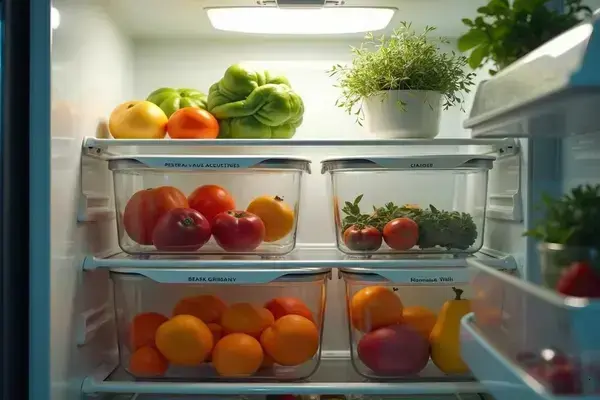
Picture this scenario: You meal prep three different lunches and two snacks for the week. Your fridge is a chaotic jumble of round, mismatched lids with bowls jammed on top. Wednesday rolls around—and your salad container has tipped over, leaking vinaigrette onto your hummus. Annoying, right?
| Container Shape | Best Use | Stackability |
|---|---|---|
| Rectangle | Main meals, casseroles, leftovers | Excellent |
| Square | Snacks, salads, overnight oats | Great |
| Round | Soups, chili, dips | Fair |
- Inventory your regular meals—what do you pack most?
- Measure your fridge and bag or lunchbox space before buying new sets.
- Choose 2-3 sizes: small for snacks, medium for sides, large for mains.
- Opt for stackable containers with flat lids.
- Test how they nest together empty—bonus if they don’t topple when full.
And this is exactly where most people make the most common mistake…
Matching Containers To Food Types For Fresh Results
Ever tried storing a crisp side salad in the same container as your spicy curry, only to find the lettuce soggy and overwhelmed by spice the next day? It’s not just about keeping food separated—it’s about matching the right container style to the specific food type for taste and freshness that actually lasts.
Different foods have different needs. Grains and roasted veggies can thrive in shallow glass containers that offer even airflow and quick cooling. Oil-based dressings and runny sauces demand leak-resistant containers with tight silicone seals—no more mystery leaks in your work bag. And for hearty soups or chili, you need deep, round vessels that allow for expansion if you plan to freeze them later. Here’s what makes the difference:
- Salads & Fresh Greens: Choose containers that offer a separate compartment for toppings and a mini section or cup for dressing. This keeps leaves perky, not limp.
- Grains & Protein: Airtight glass is your friend. It preserves texture, and locks out odors, according to the Academy of Nutrition and Dietetics.
- Soups & Stews: Look for round, tall containers with screw-on lids—they seal better and leave room for expansion (crucial in the freezer).
- Fruits & Snacks: Modular plastic containers with adjustable dividers work well so flavors stay distinct and nothing gets crushed.
⚠️ Important Warning: Never store acidic dishes (like tomato-based sauces) long-term in cheap plastic. The acidity can eventually break down the container and affect both taste and safety, as noted by the FDA. Use glass or high-grade stainless steel for these items.
In practice: Consider Mia, who preps overnight oats for breakfast, a spinach salad for lunch, and curry for dinner. By selecting a small mason jar for the oats (no spills, perfect chiller effect), a bento-style box for her salad, and a deep glass dish for the curry, she keeps each meal at peak texture and flavor—no more sad, wilted greens or leaky containers to ruin the day.
| Food Type | Best Container Match | Why It Works |
|---|---|---|
| Salad with Toppings | Divided bento or two-tier box | Separation keeps texture and taste |
| Hearty Soup or Stew | Tall, round, airtight glass or steel | Prevents leaks and allows safe reheating |
| Protein & Grains | Shallow, airtight glass | Maintains moisture, blocks odors |
But there’s one detail most owners completely overlook until it’s too late…
Leak-Proof, Stain-Resistant, And Microwave-Safe: What To Look For
Ever reached for lunch only to discover your curry stained the container—and worse, leaked everywhere? Picking the right meal prep container means knowing which features truly keep your food secure, fresh, and easy to reheat. But what matters most: leak-proof, stain-resistant, or microwave-safe?
Containers that claim to be leak-proof typically have silicone gaskets and locking lids. These create a tight seal—critical for soups and sauces. Don’t be fooled by snap-on lids alone; without a gasket, moisture almost always sneaks out in transit. Stain resistance comes down to material: high-quality borosilicate glass and certain BPA-free plastics fend off turmeric and tomato stains that can make containers look worn after a few meals. For microwave use, glass is almost always a safe bet, while many plastics can warp or release chemicals if not specifically labeled as microwave-safe.
- Leak-Proof Lids: Look for double-locking mechanisms with a visible silicone seal.
- Stain Resistance: Prefer glass or Tritan™ plastic for highly pigmented foods.
- Microwave Safe: Check the container’s symbol (wavy lines) and manufacturer’s note. Never microwave standard plastic without a safe mark.
💡 Pro Tip: According to the Food and Drug Administration (FDA), always remove the lid or vent it before microwaving to avoid pressure build-up—and keep your microwave (and meal) safe from messy spills.
In practice: Frank loves making chili, but after two weeks, his old containers are streaked red and the lids don’t click tight anymore. Once he switched to borosilicate glass with locking silicone lids, the difference was clear—no leaks, zero stains, and easy microwave reheating straight from the fridge or freezer.
| Feature | Best Material | Watch Out For |
|---|---|---|
| Leak-Proof | Glass/Plastic with silicone seals | Worn gaskets, missing locks |
| Stain-Resistant | Borosilicate glass, Tritan™ plastic | Cheaper plastics, porous surfaces |
| Microwave-Safe | Glass, labeled BPA-free plastic | Unlabeled plastic or steel |
What actually works might surprise you…
Essential Care Tips To Make Your Containers Last Longer
Ever bought a gorgeous set of glass containers, only to find them cloudy, stained, or warped a few months later? The secret to long-lasting meal prep gear isn’t just about what you buy—it’s about how you care for it week after week.
You want airtight seals, pristine glass, and reliable locking lids. But daily wear, harsh soaps, and a few careless dishwasher cycles can destroy even the most premium containers. Knowing what actually protects your investment will save you money—and a ton of frustration—in the long run.
- Hand-wash lids and silicone gaskets. The high heat of dishwashers can warp seals or make lids brittle. Most brands, including Pyrex and OXO, recommend gentle soap and cool water for all detachable parts.
- Use soft, non-abrasive sponges. Harsh scrubbing can scratch glass and plastic over time, making them haze or pit.
- Avoid sudden temperature changes. Taking glass from freezer to microwave can cause cracking, according to the Food and Drug Administration. Let containers adjust to room temp first.
- Treat stains immediately. Warm baking soda paste lifts turmeric or tomato stains; for odors, fill with water and a splash of vinegar, soak overnight, rinse thoroughly.
- Inspect for damage each week. Check for cracks, loose gaskets, or warping—replace damaged parts to maintain food safety and leak-proof performance.
⚠️ Important Warning: If you use containers for allergen-prone foods, deep-clean and dry thoroughly to prevent cross-contamination. When in doubt, consult a food safety professional for advice specific to your health needs.
In practice: Picture this scenario—after two years of meal-prepping, Tamika still uses her original set of containers. She never puts lids in the bottom rack, always resurfaces stains, and keeps a back-up supply of silicone gaskets on hand for quick swaps. It’s these habits—not just the purchase—that keep her containers leak-proof and crystal clear meal after meal.
Once this is in place, the rest of the routine falls into place naturally.
Your Food, Fresher All Week
If you take just one thing from this meal prep container guide tips, let it be: choosing the right container truly keeps your food tasting fresh, saves time, and saves you stress. Materials matter, matching containers to each food type matters, and the way you care for them can extend their life—and your meal planning sanity.
Before this, opening the fridge or your lunch bag probably felt like a gamble. Now you’ve got real know-how on size, shape, care, and special features like leak-proof and stain resistance. Suddenly, meal prep feels practical and even a bit fun. You’re totally in control of how your meals show up—every single day.
What’s the biggest container struggle you’ve had—leaks, stains, or storage mess? Share your story in the comments so we can help each other out!
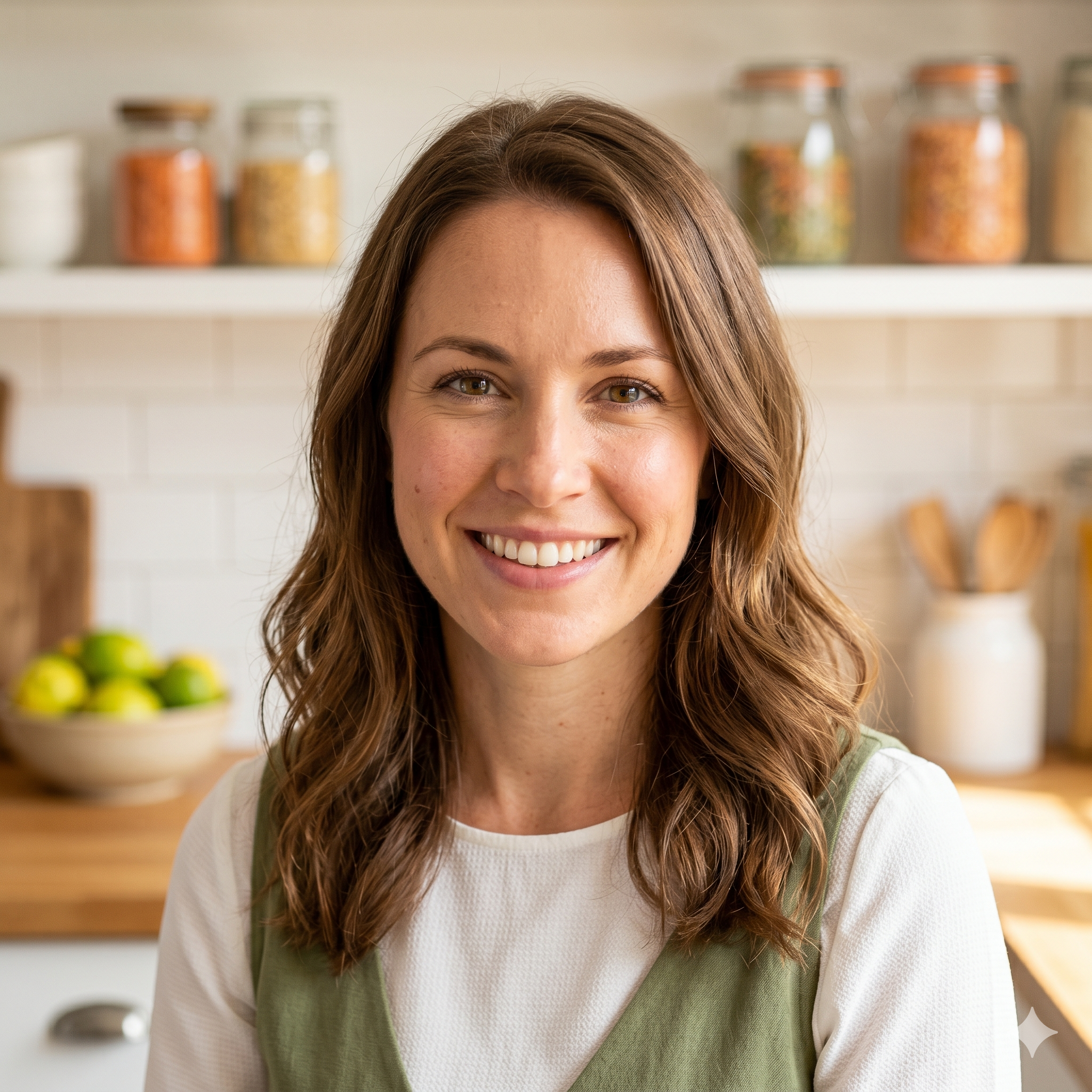
Lauren Marie Collins is a meal planning enthusiast and nutrition writer dedicated to helping everyday people eat healthier, spend less, and actually enjoy the food they prepare. With a passion for practical meal prep systems and honest nutrition guidance, Lauren built this blog to make healthy eating feel simple, sustainable, and genuinely accessible for everyone.