Have you ever opened your fridge only to find wilted greens and forgotten leftovers staring right back at you? It’s not just annoying — it’s money and good intentions, quite literally, going bad overnight. If that scene feels too familiar, you’re definitely not alone.
Wasting food isn’t just about tossing out a bit of dinner here and there. It adds up fast — extra grocery bills, guilt, and a pang of worry about what all that waste means for the planet. The truth is, finding mushy berries or spoiled chicken week after week isn’t just a small nuisance, it’s a leak in your wallet and a problem for the environment.
By the end of this guide, you’ll walk away with practical, relatable actions to cut down on food waste for good. Whether you crave quick wins or deeper change, you’ll see exactly how these how to reduce food waste tips guide can save you money, time, and stress. Ready to open that fridge with a little less dread? Scroll on — your fresher future starts now.
Why Food Waste Hurts Your Wallet And The Environment
Ever wondered why that half-empty bag of salad in your fridge feels like more than just wasted food? Here’s the thing: every time food spoils or goes uneaten, it quietly drains your bank account and deepens our planet’s crises—especially when it happens week after week.
The United States Department of Agriculture (USDA) estimates that up to 30-40% of the food supply is wasted every year. That’s not just supermarket waste—it’s uneaten leftovers at home, forgotten produce, and buying more than you can ever use. On an average American family’s annual grocery bill, this can mean $1,500 or more tossed away, literally and figuratively.
💡 Pro Tip: Before your next grocery run, check your fridge and pantry for items you already have. According to the Natural Resources Defense Council, households who do this simple check save up to 25% on grocery bills over time.
But the impact isn’t just financial. Food waste is a major environmental issue: rotting food in landfills produces methane, a greenhouse gas far more potent than carbon dioxide. The Environmental Protection Agency points out that food waste is the single largest category of material sent to American landfills—accounting for about 24% of all landfill input.
| Wasted Food (lbs/year) | Estimated Cost ($/year) | Environmental Impact |
|---|---|---|
| 275 (per person) | ~$375 | Methane emission, loss of resources |
| 1,029 (family of 4) | ~$1,500 | Landfill expansion, water & energy waste |
| NA | Global: $1 trillion | 8% global greenhouse gases |
Picture this scenario: You buy strawberries because you’re planning healthy snacks, but life gets busy. By Friday, they’re moldy—destined for the trash. Multiply that by hundreds of households in your city, and the wasted resources—water, labor, energy to grow and transport—become staggering.
The truth is, food waste might seem small in your kitchen, but its ripple effects are huge. From your own savings to the global climate, the cost is too high to ignore. But there’s one detail most people completely overlook until it’s too late…
How To Plan Meals So Nothing Goes To Waste
How often do you buy fresh ingredients with big intentions—only to find them lingering in the back of the fridge a week later? The answer, for most of us, is way too often. Planning your meals isn’t about rigid control; it’s about giving yourself the freedom to eat well, save money, and finally stop tossing good food (and cash) in the trash.
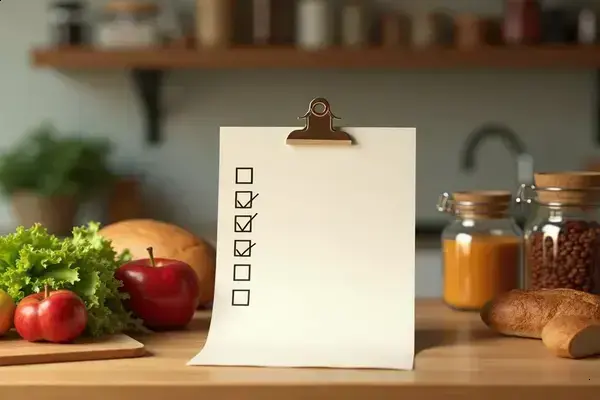
- Check What You Have First: Take a quick inventory of your pantry, fridge, and freezer. Make a list—not in your head, but on your phone or a sticky note.
- Pick Recipes That Overlap Ingredients: Choose meals that use similar veggies, grains, or proteins. Less waste, less stress.
- Plan for Portions—Not Aspirations: Be honest about how many meals you’ll cook at home versus grabbing takeout. Overplanning leads to food waste just as much as underplanning.
- Write a Flexible Meal Calendar: This can be as simple as jotting meal ideas on a whiteboard or using a meal planning app (try Mealime or Paprika for easy drag-and-drop planning).
- Create and Stick to Your Shopping List: Only buy what you’ve planned for. Avoid impulse purchases—especially perishable items that often get forgotten.
In practice: Imagine it’s Sunday night. You’re tired, but you spend ten minutes reviewing what’s left from last week—half a bunch of kale, two chicken breasts, and a handful of cherry tomatoes. That inspires a kale and chicken stir-fry for Monday, which naturally transitions into a frittata for Tuesday. Suddenly, every ingredient serves a purpose.
💡 Pro Tip: Use the USDA’s FoodKeeper app to check how long your groceries will last. It’s a free tool created with Cornell University that helps you track shelf life, so nothing gets lost in the shuffle.
- Time Requirement: Set aside just 20-30 minutes weekly for this process.
- Required Items: Notepad, pen, or a digital app, plus your grocery receipts from last week.
- Result: Less food waste, healthier eating, and recurring savings on your food budget.
According to Feeding America, meal planning can cut household food waste by up to 50%. That’s not pocket change—it’s the start of a habit that pays you back every single week. And this is exactly where most people make the most common mistake…
Smart Shopping Strategies To Avoid Overbuying
Ever go grocery shopping and return with way more than you actually need? The result: crowded shelves, forgotten food, and small fortunes tossed out. Smart shopping isn’t about buying less—it’s about buying right, so what you buy actually gets eaten.
- Make (and Stick to) a List: Jot down needed items before you hit the store. This one habit alone shrinks impulse buys and narrows your focus to the essentials.
- Shop Your Kitchen First: Check your pantry and fridge so you don’t double up—especially on perishable items like dairy and greens.
- Don’t Shop Hungry: Science backs this: hungry shoppers buy up to 20% more (and often the stuff that spoils fastest). Quick snack before you go? Totally worth it.
- Buy in Appropriate Quantities: Be realistic about how much you’ll actually use in a week. Bulk deals only save money if you can use food before it expires.
- Understand Sell-By vs. Use-By Dates: According to the Food Marketing Institute and USDA, most dates indicate quality—not safety. Learn the language of food dating to avoid unnecessary waste.
| Strategy | Pro | Con |
|---|---|---|
| Weekly List | Reduces random spending | Needs discipline |
| Bulk Purchase | Lower cost per unit | Risk of expiration |
| Meal Kits | No food left over | Higher upfront price |
💡 Pro Tip: Use the “first in, first out” (FIFO) method for groceries. Move older products to the front when unpacking new ones, so you always use up what you bought first.
Picture this scenario: You used to just wander the aisles grabbing whatever looked good, and half of it wilted. Now, armed with a 5-minute list and a strategy for what you have at home, you know what’s actually missing—and you’re less likely to face surprise science projects at the back of the fridge.
Studies by the National Resource Defense Council show that focused shopping cuts average food waste per person by nearly a third. What actually works might surprise you…
Creative Ways To Use Leftovers At Home
Ever stare at a lonely cup of rice, a few slices of chicken, or half a zucchini and wonder, “Now what?” Leftovers don’t have to be a chore—or just microwaved repeats. With a touch of creativity, they become the easiest shortcut to flavorful, zero-waste meals (and honestly, they’re a secret weapon for saving money week after week).
5 Clever Ways to Breathe Life Into Leftovers
- Build a Bowl: Layer grains, proteins, and roasted veggies in a bowl. Add a sauce (think tahini or salsa). Suddenly, it’s a brand-new meal.
- Turn It Into Soup: Toss last night’s roast veggies or meat into stock, simmer, and season well. Leftovers become hearty lunches that reheat beautifully.
- Get Creative With Stir-Fries: A quick flash in the pan with soy sauce and garlic turns old rice or cooked chicken into something crave-worthy—fast.
- Reinvent for Breakfast: Roasted potatoes and greens? Heat with eggs for a frittata or scramble. That day-old bread? It’s French toast tomorrow.
- Freeze for Later: If inspiration’s missing, pack leftovers tightly in labeled glass containers and freeze. Batch-cooked grains or stews keep you ready for the busiest nights.
💡 Pro Tip: Create a “use me first” box on your fridge shelf. Put all at-risk food there—so it’s in sight, top of mind, and way less likely to go bad. The Environmental Protection Agency recommends this trick to help households dramatically drop food waste.
In practice: Picture this scenario—Sunday night, you spot wilting spinach, baked salmon, and half a lemon. Toss it all with pasta and olive oil, finishing with that lemon for zest. Dinner’s done, and the fridge is cleaner, too.
- Reuse Takeout Containers: They’re perfect for next-day lunches.
- Create Weekly “Leftover Night”: One dinner a week uses up anything lingering in the fridge.
- Recipe Sites & Apps: Try SuperCook or BigOven—you enter what’s in your fridge, and they suggest recipes.
SuperCook and BigOven are both free (with upgrades); both are available for iOS/Android/Web. Each helps you quickly match what you have with delicious new meal ideas, reducing both decision fatigue and wasted food. And this is exactly where most people make the most common mistake…
Quick Storage Hacks To Keep Food Fresh Longer
Does your produce wilt before you remember to use it? The secret isn’t better luck—it’s better storage. Learning a few quick, science-backed storage hacks can stretch the lifespan of your groceries, save you cash, and keep your fridge looking tempting instead of tragic.
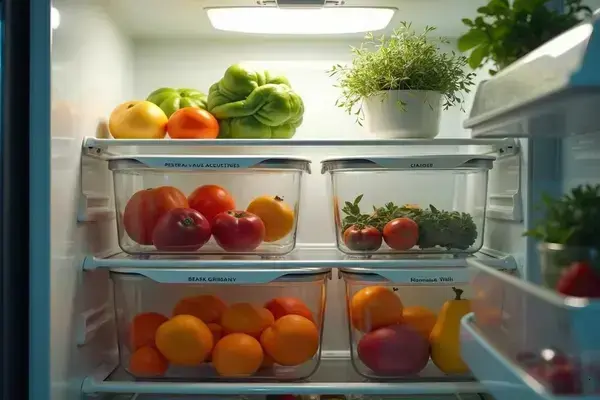
- Keep Greens Crisp: Wrap leafy greens in a slightly damp paper towel, then store in a breathable produce bag in the crisper. This keeps moisture steady and leaves fresh—never soggy.
- Diversify Your Containers: Invest in airtight glass containers for leftovers. They keep out excess moisture and odors better than most plastics and are less likely to stain or warp over time.
- Bananas and Ethylene Gas: Store bananas away from other fruits. Bananas release ethylene, a natural gas that speeds up ripening (and spoiling) of nearby produce.
- Use the Freezer Wisely: Freeze bread, berries, or even chopped vegetables just before they spoil. Remember to label with dates so you know what’s oldest.
- Practice First In, First Out (FIFO): Move soon-to-expire items to the front of shelves every time you unpack new groceries, so nothing gets lost behind newer purchases.
💡 Pro Tip: According to the Institute of Food Technologists, storing apples separately keeps them from softening other fruits. Simple adjustments like this save food—and money—over the long term.
Picture this scenario: You grab strawberries, carrots, and herbs at the market, then prep and store them with these tricks right when you get home. Days later, you reach for that produce and find it just as crisp and inviting as the day you bought it—no more expensive surprises or food waste guilt.
- Reusable Beeswax Wraps—They breathe, unlike plastic wrap, preventing moisture build-up.
- Clear Bins—Make it easy to scan what needs using up first.
- Vacuum Sealers—Great for big-batch meal preppers.
| Storage Method | Best For | Shelf Life Extension |
|---|---|---|
| Beeswax Wrap | Herbs, cheese | 2x longer |
| Glass Container | Cooked meals, leftovers | Prevents flavor transfer |
| Vacuum Sealer | Meats, bulk produce | Up to 5x longer |
The right habits in place now make everything easier from here.
Your Kitchen, Less Wasteful
We walked through why food waste matters, how to plan meals, smart shopping moves, creative leftover use, and storage hacks that make your groceries last longer. If you take just one thing from this how to reduce food waste tips guide, let it be: small, simple habits matter most—start with just one step and the impact adds up.
Before today, food waste probably felt like an annoying fact of life—easy to overlook, hard to fix. But now you know where waste starts and how a few changes can save you real money and stress. Every leftover used and veggie kept fresh is proof you’re making progress.
What’s the biggest food waste battle in your kitchen right now? Share your story or best hack in the comments—we’d love to hear what works for you!

Lauren Marie Collins is a meal planning enthusiast and nutrition writer dedicated to helping everyday people eat healthier, spend less, and actually enjoy the food they prepare. With a passion for practical meal prep systems and honest nutrition guidance, Lauren built this blog to make healthy eating feel simple, sustainable, and genuinely accessible for everyone.