You ever wake up feeling tired, no matter how much sleep you get? That sluggish, heavy feeling could be more than stress — it could mean your iron’s running low.
The truth is, iron deficiency doesn’t just drain your energy. It can leave you foggy, short of breath, even prone to catching every little bug that’s going around. For people dealing with — or hoping to avoid — anemia, what you put on your plate can change everything.
By the time you finish reading, you’ll know which foods are nutritional powerhouses for foods high in iron anemia prevention, how to work them seamlessly into your routine, and what simple tricks can boost your body’s absorption. Here’s where your stronger, more energized days start.
Why Iron Matters For Your Body
So, why does iron get so much hype when it comes to your health? Here’s the thing: iron isn’t just another nutrient on a long ingredient list — it’s the backbone of your body’s oxygen delivery system. Without enough of it, your cells simply can’t function at full speed.
Most people know iron plays a role in preventing tiredness. But did you realize it’s also vital for brain development, immune strength, and even the health of your hair and nails? Hemoglobin — the iron-rich protein in your red blood cells — acts like a fleet of delivery trucks hauling oxygen to every corner of your body. When those trucks break down (aka when you’re low on iron), even small tasks start to feel exhausting.
💡 Pro Tip: The Office of Dietary Supplements (NIH) recommends that adults monitor both iron intake and absorption — women of childbearing age and athletes are at the highest risk for deficiency, especially if their diets are mostly plant-based.
Picture this scenario: you’re juggling work, errands, maybe evening workouts, and suddenly your energy tanks by mid-afternoon. No amount of coffee seems to fix it. That’s often how low iron sneaks up — slowly, then all at once, making it tough to bounce back no matter how much sleep you get.
- Iron deficiency anemia leads to fatigue, shortness of breath, and lowered immunity. It’s more common than you think, affecting over 25% of the population worldwide (World Health Organization).
- Your body needs iron to make myoglobin, an essential protein stored in muscles that helps with strength and recovery after exercise.
- Beyond energy, iron supports cognitive function—kids and adults alike perform better in memory and focus when their iron levels are optimal.
There are two main types of dietary iron: heme iron (found in animal foods, absorbed more easily) and non-heme iron (found in plants, needs a bit of help from vitamin C to be absorbed well). Depending on your food choices and lifestyle, you may need to adjust your meals to get the right balance.
⚠️ Important Warning: If you suspect you have symptoms of iron deficiency or chronic fatigue, reach out to a healthcare provider for blood tests and professional guidance — supplements are not one-size-fits-all, and self-diagnosis can lead to excess iron, which has its own risks.
In practice: many marathoners boost their recovery with lean beef or lentils post-run, but what actually matters is how well their bodies absorb the iron alongside other nutrients. Pairing iron-rich foods with vitamin C sources (like bell peppers or oranges) can make a night-and-day difference for results.
| Function | Why Iron Is Essential | Signs Of Too Little Iron |
|---|---|---|
| Oxygen Delivery | Builds hemoglobin to transport oxygen | Fatigue, pale skin, brain fog |
| Muscle Strength | Supports myoglobin for muscle recovery | Weakness, slow recovery from exercise |
| Immune Defense | Enables white blood cell production | Frequent infections, slow wound healing |
But there’s one detail most people overlook until symptoms get worse — your iron needs can change fast with stress, growth, or big lifestyle shifts…
Signs You Might Be Low On Iron
How do you know if your body’s running low on iron? The truth is, the signs can be sneaky — they often look like everyday stress or “just being tired.” But if you pay attention, your body will start waving red flags.
- Fatigue and weakness: That bone-deep tiredness after barely doing anything? Classic low-iron warning.
- Pale skin or gums: When hemoglobin drops, you lose that healthy color. Take a peek at your inner eyelids or nail beds.
- Shortness of breath or rapid heartbeat: Your body’s working overtime to get oxygen where it’s needed.
- Headaches and dizziness: Not every headache is caused by screens or skipped meals.
- Brittle nails, hair loss, or restless legs: Little things like increased hair shedding or weird cravings (ice, anyone?) aren’t as random as they seem.
💡 Pro Tip: The Centers for Disease Control and Prevention (CDC) recommends that anyone who experiences these symptoms consistently should request a complete blood count (CBC) and ferritin test—don’t ignore changes, especially if you’re in a higher-risk group like women of childbearing age, frequent blood donors, or athletes.
Picture this scenario: Tamika, who juggles work and two young kids, started forgetting words during meetings and felt wiped out just climbing stairs. When her doctor finally ran an iron panel, her ferritin was below 10 ng/mL (much lower than the recommended minimum of 30-40 ng/mL for women, according to American Society of Hematology guidelines). Turns out, stress wasn’t the culprit — iron was.
| Symptom | Potential Cause | What To Watch |
|---|---|---|
| Fatigue | Low hemoglobin, less oxygen | Persistent, not relieved by sleep |
| Hair loss | Disrupted cell growth | Noticeable thinning, brittle texture |
| Headaches | Reduced oxygen to brain | Frequent, with dizziness |
And honestly? Self-diagnosing iron deficiency just by “how you feel” can send you chasing the wrong fixes. Always get tested before starting supplements — too much iron causes its own set of problems.
But there’s one detail most people completely overlook until it’s too late…
Top Foods Packed With Iron
Searching for foods that actually deliver when it comes to boosting your iron? Not all iron-rich foods are created equal — and the difference matters more than you think.
Here’s the thing: animal-based (heme) sources pack a much bigger punch in terms of absorption, but the right plant-based (non-heme) picks can still play a starring role if you know how to use them. According to the Academy of Nutrition and Dietetics, diversifying your iron sources is key to meeting daily needs, especially for women, kids, and anyone eating mostly plant-forward meals.
- Red meat (especially beef and lamb): Top-shelf for heme iron that your body grabs with almost no effort.
- Chicken, turkey, and fish: Still solid sources, and often easier to fit into light lunches or weeknight meals.
- Liver (beef or chicken): The real MVP — just a small serving can cover your entire day’s requirement, although not everyone loves the taste.
- Spinach and kale: While non-heme, pairing these greens with vitamin C-rich foods makes a real difference.
- Lentils, chickpeas, tofu: Fiber plus iron equals a plant-based double win, great for vegetarians and vegans.
- Pumpkin seeds, cashews, quinoa: Smart snacks and sides that quietly power up your iron intake throughout the day.
💡 Pro Tip: Sprinkle some lemon juice or toss in bell peppers when cooking beans and greens — vitamin C increases non-heme iron absorption by up to four times (National Institutes of Health).
In practice: a classic beef stir-fry, a chickpea-spinach salad with orange segments, or oatmeal topped with roasted pumpkin seeds and strawberries can completely transform your numbers on your next check-up.
| Food | Type of Iron | Average Iron (mg/serving) |
|---|---|---|
| Beef liver (3 oz) | Heme | 5.8 |
| Lentils (1 cup, cooked) | Non-heme | 3.3 |
| Spinach (1 cup, cooked) | Non-heme | 6.4 |
| Canned sardines (3 oz) | Heme | 2.5 |
| Pumpkin seeds (1 oz) | Non-heme | 2.7 |
And this is exactly where most people make the most common mistake…
How To Boost Iron Absorption Naturally
Ever wonder why your bloodwork still shows low iron, even when you’re adding spinach and steak to your plate? Absorption is the secret — and it’s where most people trip up without realizing.
- Pair iron with vitamin C: Citrus fruits, bell peppers, or even a glass of OJ supercharge non-heme iron absorption by two to four times. Squeeze lemon over beans or toss strawberries in your morning oats.
- Avoid tea and coffee with meals: Tannins found in both can block iron uptake. Save your favorite cup for an hour after eating.
- Cook in cast iron pans: Sounds old-school, but studies from the Journal of Food Science show that food simmered in cast iron can actually pick up extra iron — sometimes enough to nudge your numbers upward.
- Don’t go overboard with calcium at mealtime: Dairy products, when eaten in big amounts alongside iron-rich foods, can slow the absorption. Have your milk or yogurt later in the day.
- Add a little meat or seafood: Even a small serving of animal protein can enhance the absorption of non-heme (plant) iron from the rest of your meal — this is called the “meat factor.”
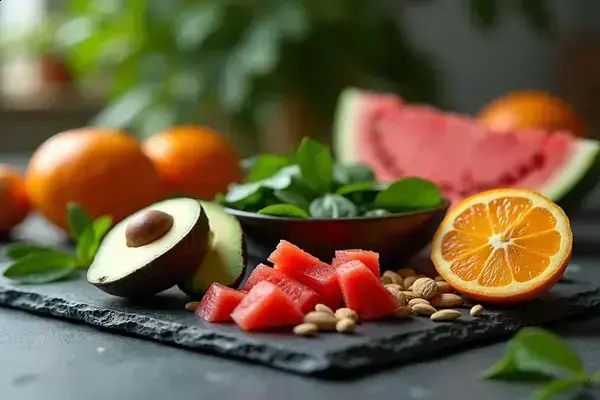
- Citrus fruits (oranges, kiwi, strawberries)
- Red peppers, broccoli, tomatoes (vitamin C boost)
- Lean beef, chicken, or salmon (heme iron + meat factor)
- Cooked lentils, quinoa, tofu, spinach
- Cast iron skillet, non-dairy milk (for strategic meal planning)
💡 Pro Tip: According to the World Health Organization, making small tweaks—like swapping out your afternoon tea for water or timing supplements right—often delivers more results than just piling on extra iron-rich foods.
In practice: Imagine you’re meal-prepping for the week. You combine sautéed chickpeas, spinach, and bell peppers in a cast iron pan, finish with fresh lemon juice, and skip the glass of milk at dinner. That single tweak could lift your iron status far more than just eating more greens alone.
What actually works might surprise you…
Smart Meal Ideas For Iron-Rich Diets
If you think iron-rich eating is all about boring slabs of red meat, think again — variety is your real secret weapon. Planning meals that naturally combine heme and non-heme iron sources with vitamin C boosts means more flavor and smarter nutrition, not more work or cost. Here’s how to make it second nature.
Let’s get practical. If your mornings leave you rushing, a quick scrambled egg with a handful of sautéed spinach (finished with a squeeze of lemon) delivers iron and vitamin C. For lunch, try a quinoa-chickpea salad tossed with roasted red peppers, fresh parsley, and a side of sliced oranges. Dinners can be as simple as salmon and steamed broccoli, or beef stir-fry loaded with snap peas and bell peppers.
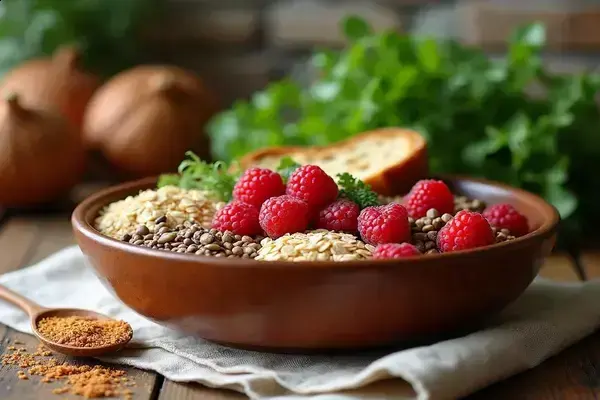
- Breakfast: Oats topped with sliced strawberries, pumpkin seeds, and a few spoonfuls of Greek yogurt (add a wedge of kiwi for vitamin C).
- Lunch: Lentil soup with spinach, served alongside tomato-cucumber salad and a whole-wheat pita.
- Snack: Homemade trail mix (cashews, raisins, dried apricots).
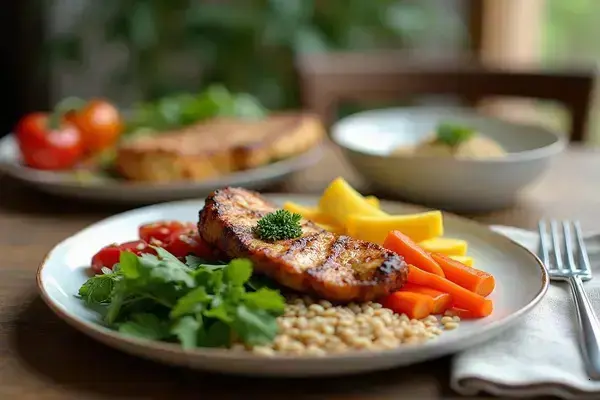
- Dinner: Grilled chicken breast with quinoa, steamed broccoli, and roasted cherry tomatoes.
- Vegetarian dinner: Tofu stir-fry with bok choy, carrots, and sliced red bell pepper served over brown rice.
💡 Pro Tip: The American Heart Association points out that meal prepping with a mix of animal and plant-based proteins not only helps iron absorption, but also supports balanced cholesterol and glucose — a true win-win.
Picture this scenario: Jamie, a busy grad student, preps overnight oats with chia seeds and berries for the week. By Thursday, she grabs a bento box of turkey slices, roasted chickpeas, and green grapes — no iron pills needed, just smarter habits baked right into snacks and lunches.
| Meal | Key Iron Source(s) | Absorption Booster |
|---|---|---|
| Eggs + spinach toast | Egg yolks, spinach | Lemon juice |
| Salmon quinoa bowl | Salmon, quinoa | Broccoli, red peppers |
| Bean chili | Red beans, tomato paste | Fresh lime wedges |
Once this is in place, the rest of the routine falls into place naturally.
Your Stronger Days Start Here
If you take just one thing from this guide, let it be: working smart with foods high in iron anemia prevention can transform your energy, health, and confidence. Iron keeps your body running, so building meals with both heme and non-heme sources, boosting absorption, and knowing the signs of deficiency all matter.
Before reading, maybe you worried about low energy but didn’t know where to start — or thought iron-rich eating meant boring, repetitive meals. Now you’ve got practical meal ideas, easy absorption strategies, and a clear sense of what your body actually needs. It’s about small daily habits, not perfection. You’ve got this.
Which iron-boosting tip or meal are you most excited to try this week? Share your plans or questions in the comments below — let’s cheer each other on!
Lauren Marie Collins is a meal planning enthusiast and nutrition writer dedicated to helping everyday people eat healthier, spend less, and actually enjoy the food they prepare. With a passion for practical meal prep systems and honest nutrition guidance, Lauren built this blog to make healthy eating feel simple, sustainable, and genuinely accessible for everyone.