Picture this: you open your fridge, hopeful, only to find wilted greens, a funky block of cheese, and bread sporting a fuzzy new “coat.” Sound familiar? Wasted food stings—your wallet feels it, your conscience nags, and who actually enjoys tossing groceries you just bought?
Letting food spoil isn’t just frustrating; it eats away at your time, money, and even meal inspiration. When you don’t know exactly how long food lasts or the best way to store it, every grocery run feels like a gamble, and honestly, nobody wants a science experiment in their vegetable drawer.
By the end of this guide, you’ll have a straightforward food storage guide printable chart at your fingertips, plus smart strategies to help each item last longer (and taste better). Ready to waste less and eat better? Let’s get organized.
Understanding Expiration Dates And Food Shelf Life
Ever stared at a “best by” date and wondered if your milk’s headed for disaster or just marketing hype? You’re not alone. A quick look at any fridge shelf reveals a jumble of labels: use by, sell by, best if used before—each promising something, but few people know what.
Here’s the thing: most expiration dates don’t tell you when food actually goes bad. According to the U.S. Department of Agriculture (USDA), these dates mostly guide stores, not families. “Sell by” tells the store how long to display. “Best if used by” speaks to peak quality, not safety. Only “use by” is a true manufacturer’s deadline—and even then, it’s not always about food spoilage.
💡 Pro Tip: When in doubt, rely on your senses and keep a clean fridge. Smell, look, and even a tiny taste beat an arbitrary printed date for many foods—except for infant formula, where the “use by” date is non-negotiable (per the USDA).
Let’s break down the most common label types and what they really mean when you’re trying to plan meals or reduce waste:
| Label Type | Official Meaning | Safety Implication |
|---|---|---|
| “Sell By” | Date for store inventory, not for home use. | Usually safe for days after; check appearance/smell. |
| “Best By” / “Best If Used Before” | Indicates peak quality, not expiration. | Generally fine beyond this date if stored properly. |
| “Use By” | Last date for peak quality (except infant formula). | Most foods remain safe after, but use judgement—and follow for baby formula. |
In practice: imagine opening a yogurt a day after its “best by” date. The container looks normal, there’s no funky odor, and the taste is fine. That’s a safe snack. But a strange color or bubbling? Skip it. The real risk is in ignoring obvious signs, not an arbitrary number printed on the lid.
Keep in mind, shelf life depends on storage conditions—cold chain matters. The Food and Drug Administration (FDA) stresses that perishable items left out for over two hours can spoil regardless of dates. Trustworthiness? That means erring on the side of caution for high-risk foods—especially dairy, meats, and eggs—and always check with a food safety expert if you have serious concerns.
But there’s one detail most owners completely overlook until it’s too late…
Best Storage Methods For Fresh, Frozen, And Dry Foods
If you’ve ever noticed your berries turning moldy in three days or crackers losing their crunch before the box is done, you’re not alone. The way you store fresh, frozen, and dry foods changes everything—taste, nutrition, and especially how long they last.
It’s not just about tossing things in a drawer. Different foods crave specific environments. There’s real science behind keeping those leafy greens perky, your bread from going stale, and even coffee beans tasting like they should.
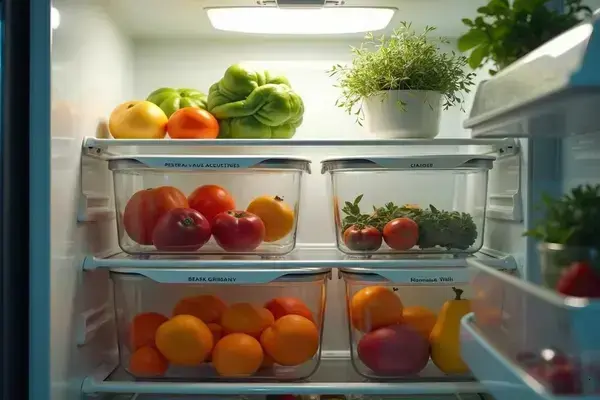
- Fresh produce: Most greens and herbs want high humidity—store them in crisper drawers or in damp paper towels. Berries prefer airflow, so skip sealed containers and use vented or loosely covered bowls.
- Dairy and eggs: Keep these on the center shelves, not in the door. Temperature swings in the refrigerator door can make milk spoil fast.
- Frozen foods: Use airtight packaging to conquer freezer burn. Label with the freeze date and cycle older items forward (the FDA recommends eating most frozen foods within three to six months).
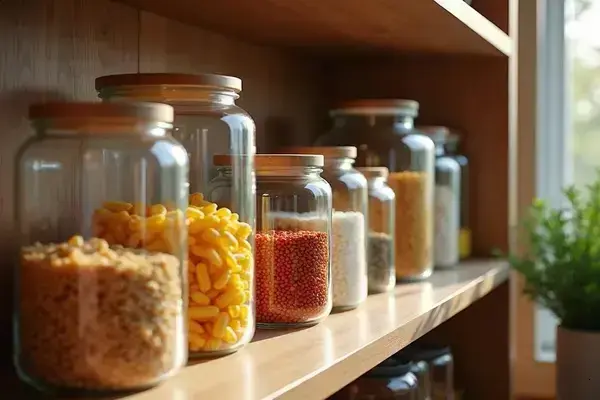
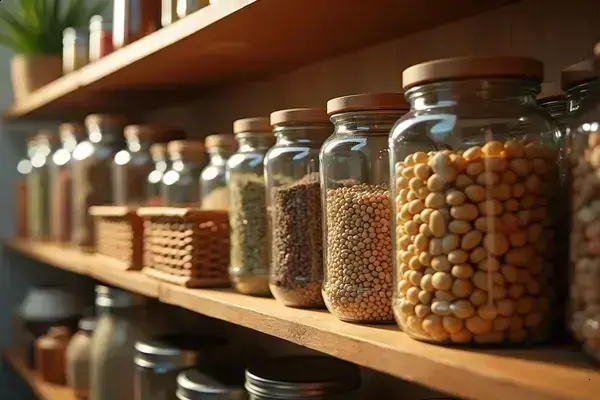
- Dry goods: Move rice, pasta, and flours to airtight glass or BPA-free plastic containers. This stops bugs and keeps things fresher, longer.
💡 Pro Tip: Place a paper towel in bags of pre-washed lettuce or spinach. According to Penn State Extension, this trick absorbs excess moisture, adding days—sometimes even a week—to greens’ shelf life.
Picture this scenario: You buy a perfect loaf of bakery bread. If you leave it in the original bag on the counter, it’s hard by day three. Slip it into a paper bag overnight for the crust, or freeze thick slices in a double layer of wrap. When you toast a slice straight from the freezer, it’s just as good as day one—no waste, no odd freezer taste.
Here’s a quick overview for home kitchens:
| Food Type | Ideal Container | Storage Zone |
|---|---|---|
| Leafy Greens | Vented bin with damp towel | Fridge bottom crisper |
| Chicken | Sealed, leak-proof tray | Coldest fridge shelf |
| Nuts/Seeds | Airtight glass jar | Pantry, away from sunlight |
And this is exactly where most people make the most common mistake…
Common Mistakes That Make Food Spoil Faster
If your strawberries always turn mushy in days or your bread molds before you finish the loaf, you’re definitely not alone. So many people unknowingly sabotage food before it ever hits the plate. The truth is: small storing slip-ups lead to big waste and cost real money week after week.
- Overcrowding the fridge — Cold air needs to circulate! Packed shelves trap heat spots, so leftovers turn fast and veggies wilt.
- Mixing ethylene producers — Did you know apples, bananas, and avocados naturally produce ethylene gas? Store them with veggies, and you’ll see greens spoil at record speed.
- Not labeling dates — Few remember exactly when those cooked beans or chicken went in. Without a label, it’s a guessing game—never a good move with perishables.
- Improperly sealing containers — Containers with broken lids or loosely wrapped cheeses let in air and moisture—prime conditions for mold and bacteria to grow.
⚠️ Important Warning: According to the Centers for Disease Control and Prevention, improper storage of high-risk foods like cooked rice, meats, and dairy increases your chance of foodborne illness. When in doubt, throw it out or check with a food safety expert for peace of mind.
Picture this scenario: Your family meal-preps on Sunday. Leftover grilled chicken goes into a flimsy plastic tub without a lid, then gets pushed to the back of an overstuffed fridge. By Tuesday, condensation forms and the chicken’s starting to smell—time and money wasted that could have been prevented.
| Mistake | Result | How to Fix |
|---|---|---|
| Fridge overload | Uneven cold spots; wilting, mold | Leave room for airflow; reorganize weekly |
| Ethylene mix-ups | Rapid spoiling of greens and berries | Keep ethylene items in separate bins |
| No date labels | Guessing game leads to unsafe eating | Label every container or bag with open/use date |
What actually works might surprise you…
How To Build Your Own Food Storage System At Home
Ever wonder why some kitchens always seem ready for anything—unexpected guests, sudden cravings, or the next big storm? Setting up your own home food storage system removes panic (and waste) from your routine. Here’s how anyone can get organized.
- Audit what you use and waste. Before you buy a single bin, track what foods disappear fast and what lingers, expires, or gets tossed. Spend one week scribbling notes or snapping phone pics to build a real-world list.
- Zone your storage. Set clear spaces for produce, proteins, grains, and snacks. Use the vertical and deep parts—don’t just shove everything in the main fridge or pantry zone.
- Choose the right containers. Invest in airtight glass jars for grains, BPA-free plastic bins for produce, and freezer-safe bags for leftovers. Stackable, see-through options make it easy to see what’s running low.
- Label and date everything. Add tape and a marker near your storage areas. Write the purchase or cook date on every jar, tub, or bag. It takes five seconds but saves hours (and money) later.
- Rotate and replenish with purpose. Place oldest in front, newest behind—classic FIFO (first in, first out). Review each zone weekly, topping up only what’s low and clearing space for what’s about to expire.
- Sharpie marker and masking tape
- Assorted glass jars and food-safe bins
- Space in pantry, fridge, and freezer
- Freezer bags or meal prep containers
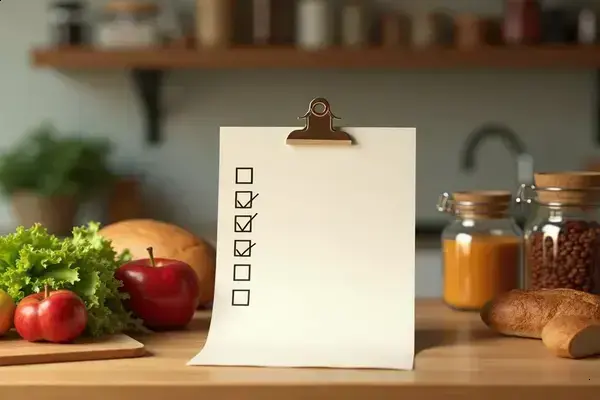
- Digital or printed checklist for inventory
💡 Pro Tip: According to the National Center for Home Food Preservation, monitoring your fridge and pantry temperature with an inexpensive thermometer upgrades your storage game—keeping perishables fresh and safe week after week.
In practice: A family with three kids split one kitchen cabinet into a breakfast shelf, snack drawer, and “meal base” bin for rice, beans, or pasta. With stickers and jars, even the littlest hands can help put away groceries. There’s less confusion, and more meals come together on busy nights—no last-minute takeout required.
But there’s one resource people crave the most: a ready-to-print guide right at their fingertips…
Printable Food Storage Chart For Quick Reference
If you’ve ever stood in the kitchen, hand hovering over a strange-smelling yogurt or bag of greens, you know the agony of guessing, “Can I still eat this?” That’s exactly why a printable food storage chart is a game-changer—it gives you instant answers, no frantic Googling required.
This chart boils down key shelf life and storage methods for dozens of everyday foods, right where you need it. Think produce, proteins, dairy, grains, and even condiments—each with how long it lasts in pantry, fridge, and freezer, plus quick storage do’s and don’ts. No more second-guessing or tossing good food “just in case.”
💡 Pro Tip: Laminate the chart and stick it inside a kitchen cabinet or on the fridge. That way, sticky hands and splashes won’t wear it out—and you always have a quick visual guide while unpacking groceries.
| Food | Fridge | Freezer |
|---|---|---|
| Chicken (raw) | 1–2 days | Up to 9 months |
| Cooked rice | 3–4 days | Up to 6 months |
| Cheese (block) | 2–3 weeks | 8 months |
| Berries | 2–4 days | 8–10 months |
| Bread | 5–7 days | 3 months |
In practice: a busy parent glances at the chart before packing school lunches, saving time and mental energy. A college student checks if those frozen bagels are still good before late-night snacking. It’s peace of mind, plain and simple.
- Print at full page for best readability
- Update by hand if you notice different results in your fridge or climate
- Perfect for new cooks, busy families, or anyone looking to cut food waste
Small steps, repeated consistently, make the biggest difference over time.
Your Kitchen, Organized for Good
If you take just one thing from this food storage guide printable chart, let it be: knowing how long food lasts and how to store it saves time, money, and peace of mind. Getting clear on expiration dates, mastering storage methods, and using a quick-reference chart are absolute game-changers for any home cook.
Before, food storage was a guessing game—guessing cost you groceries, freezer space, and good meals. Now, that stress is gone. With a system in place, you’ll throw out less, eat better, and breeze through your weekly routine. Organization isn’t about being perfect; it’s about making life easier—one shelf at a time. You’ve got this.
What’s the biggest food storage mistake you’re solving first? Share your thoughts in the comments—we’re all learning together!

Lauren Marie Collins is a meal planning enthusiast and nutrition writer dedicated to helping everyday people eat healthier, spend less, and actually enjoy the food they prepare. With a passion for practical meal prep systems and honest nutrition guidance, Lauren built this blog to make healthy eating feel simple, sustainable, and genuinely accessible for everyone.